📊 Full opportunity report: Vertigo relief app on IdeaNavigator AI — validation score, market gap, and execution plan.

Get the latest gadgets delivered free with Prime
- Fast, free delivery on millions of items
- Prime Video, Amazon Music and more included
- Member-only deals all year
TL;DR
A new mobile app for vertigo relief is being developed to guide adults with BPPV through repositioning maneuvers and track symptoms. It targets both consumers and clinics, with validation underway.
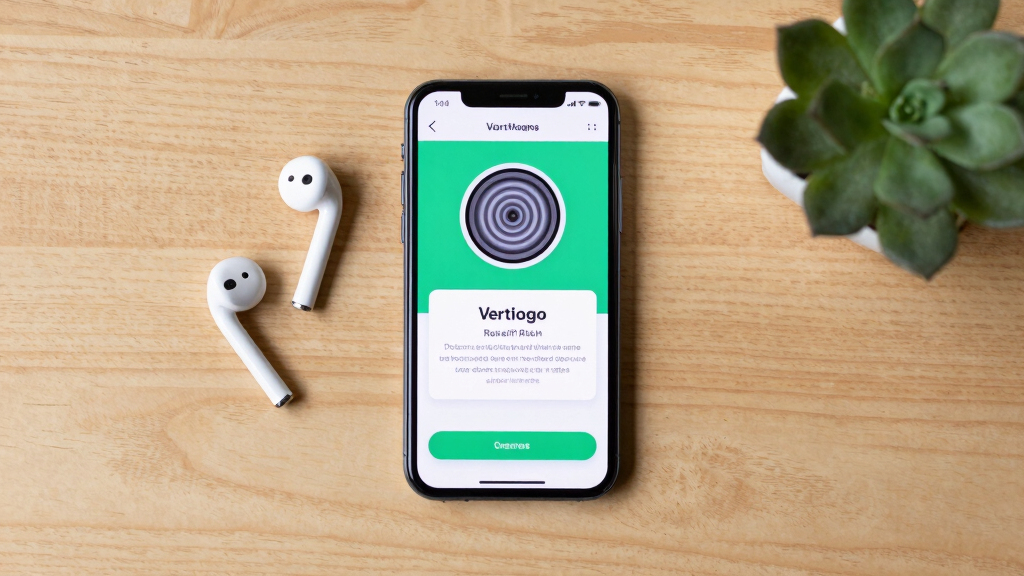
Developers are working on a vertigo relief app designed to guide adults with benign paroxysmal positional vertigo (BPPV) through repositioning maneuvers at home, leveraging smartphone sensors and guided instructions to improve self-treatment and reduce recurrence. The app also aims to be adopted by ENT clinics, audiologists, and vestibular physiotherapists as a recommended home care tool, marking a potential shift in vertigo management.
The proposed app will feature a screening process to determine BPPV candidacy, including a safety survey and optional motion-sensor self-check. It will provide animated, step-by-step guidance for maneuvers like the Epley and Brandt-Daroff, with audio cues and gyroscope-based head-angle feedback to ensure correct execution. Patients will be able to log episodes, triggers, and symptom severity over time, facilitating better symptom tracking and recurrence prevention.
This development is driven by advancements in smartphone technology, which now include accurate gyroscope sensors capable of measuring head movements in real time. The shift to telehealth during the COVID-19 pandemic has also accelerated interest in digital therapeutics for vestibular disorders, with the digital vestibular rehabilitation market projected to grow significantly, reaching an estimated USD 498 million in 2024.
Potential Impact on Vertigo Self-Management
This app could significantly improve the self-management of BPPV by providing patients with a guided, accurate, and easy-to-use tool for repositioning maneuvers, reducing the reliance on long wait times for specialist care. It offers a scalable solution that can complement clinical treatment, especially in areas with limited access to ENT or vestibular specialists. Additionally, clinics could white-label the app for patient home programs, integrating digital tools into standard vertigo care pathways, potentially lowering recurrence rates and improving quality of life for sufferers.
As an affiliate, we earn on qualifying purchases.
Rise of Digital Tools in Vestibular Care
Benign paroxysmal positional vertigo (BPPV) is the most common vestibular disorder, affecting a broad demographic, especially older adults and women. Traditionally, treatment involves manual repositioning maneuvers performed by clinicians, but many patients face delays in accessing care and struggle to execute maneuvers correctly at home. The pandemic has prompted a shift toward telehealth and self-guided rehabilitation, with digital therapeutics gaining acceptance. The market for digital vestibular solutions is expanding, with increasing reimbursement options and technological capabilities making home-based management more feasible.
“Smartphone sensors now enable real-time head-tilt measurement, opening new possibilities for guided vestibular therapy at home.”
— an anonymous researcher
vestibular rehabilitation head tracking device
As an affiliate, we earn on qualifying purchases.
As an affiliate, we earn on qualifying purchases.
Unconfirmed Aspects and Development Timeline
It is not yet clear when the app will be available for widespread consumer use or how quickly clinics will adopt the platform for patient recommendations. Validation studies and clinical trials are still in planning stages, and regulatory approval processes have yet to be detailed. The effectiveness of the app in reducing recurrence rates remains to be demonstrated through real-world testing.
As an affiliate, we earn on qualifying purchases.
Next Steps in App Development and Validation
Developers plan to launch a landing page with a guided Epley maneuver demo and run targeted advertising campaigns to gather user signups and engagement metrics. Simultaneously, they will approach ENT and vestibular clinics to gauge interest in pilot programs. Validation will involve measuring user adherence, accuracy of maneuver execution, and symptom tracking over time, with results informing further refinement and potential clinical trials.
As an affiliate, we earn on qualifying purchases.
Key Questions
When will the vertigo relief app be available to the public?
The app is still in development, with initial testing phases underway. A public release date has not yet been announced.
Can this app replace professional treatment for BPPV?
No, the app is intended as a supplementary tool for home management and should be used alongside medical advice. It includes disclaimers emphasizing the need for clinical consultation when red-flag symptoms occur.
How does the app ensure correct execution of maneuvers?
The app uses smartphone gyroscope sensors to provide real-time head-angle feedback and animated guidance, aiming to improve accuracy compared to static diagrams.
Will clinics be able to customize or white-label the app?
Yes, the plan includes a B2B licensing model allowing ENT, audiology, and physiotherapy practices to recommend or license the app for patient use between visits.
What evidence supports the effectiveness of digital vestibular therapies?
While some studies suggest benefits of tele-rehabilitation for vestibular disorders, the specific efficacy of this app will depend on validation studies, which are currently in planning stages.
Source: IdeaNavigator AI
Evergreen bestsellers Picks
bestsellers
As an affiliate, we earn on qualifying purchases.