
TL;DR

Get the latest gadgets delivered free with Prime
- Fast, free delivery on millions of items
- Prime Video, Amazon Music and more included
- Member-only deals all year
A man has created a highly realistic fake home theater, designed to deceive visitors. The project has gained significant attention online, but the motivations and details are still unconfirmed.
A man has constructed a highly realistic fake home theater, designed to deceive visitors into believing it is a genuine entertainment setup. The project has garnered widespread attention online, but the purpose behind it and the full details remain unconfirmed.
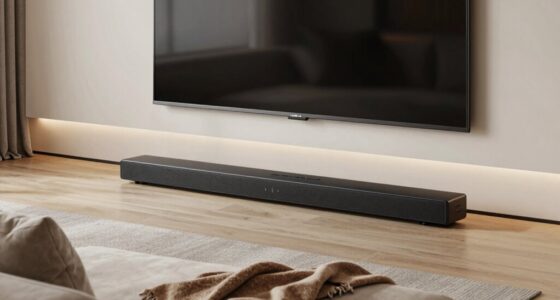
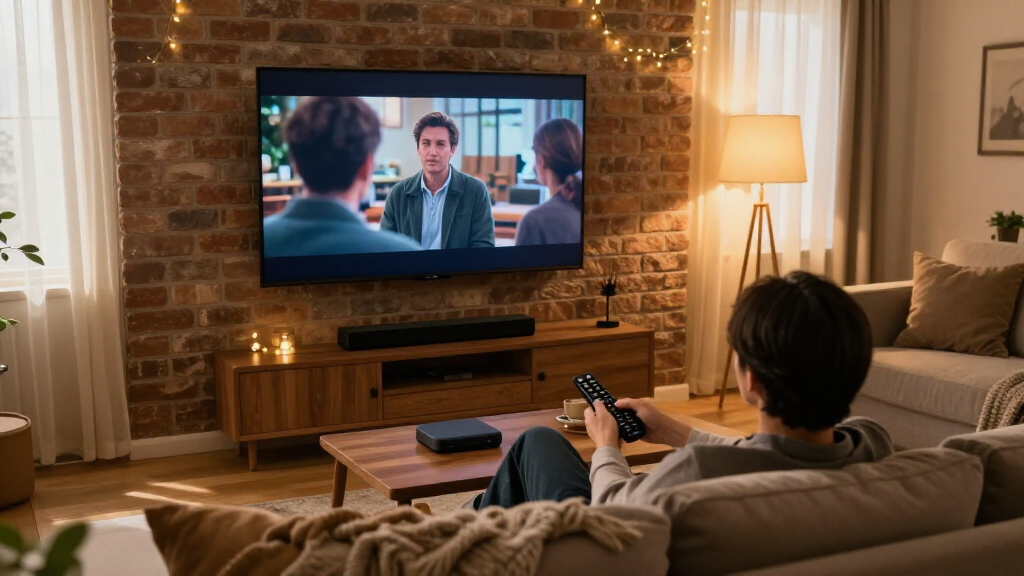
The fake home theater features a large screen, surround sound speakers, and authentic-looking seating, all arranged to mimic a real home theater environment. The creator reportedly built the setup using accessible materials, focusing on visual fidelity and immersive details. The project was shared on social media platforms, where it quickly went viral, prompting viewers to consider whether it was real or a clever illusion.
Sources indicate that the individual behind the project has not publicly disclosed their motivation, whether it was for entertainment, social experiment, or artistic expression. Experts in illusion and set design have commented that such efforts, while technically feasible, require significant craftsmanship to achieve convincing realism. The project’s creator has not responded to inquiries, and it is unclear whether the setup is functional or purely a visual deception.
Why the Fake Home Theater Sparks Curiosity
This development highlights how easily visual illusions can deceive viewers in the digital age, especially with the proliferation of social media sharing. It raises questions about authenticity and the increasing sophistication of set design used for entertainment or social experiments. For viewers, it underscores the importance of critical thinking when encountering highly staged or manipulated content online.
From a broader perspective, the project exemplifies the growing trend of creating hyper-realistic illusions for artistic or social purposes, prompting discussions about the boundaries between reality and simulation. It also demonstrates how simple materials, combined with clever design, can produce convincing visual effects that challenge perception.
As an affiliate, we earn on qualifying purchases.
Emerging Trend of Creating Convincing Fake Environments
Over recent years, there has been a surge in interest around creating fake environments or illusions, driven by advances in set design, digital effects, and social media sharing. While some projects aim to entertain or shock, others explore social commentary or artistic expression. The trend is fueled by the accessibility of materials and techniques that allow amateurs and professionals alike to craft convincing illusions.
Search interest in “fake environments” and “illusion projects” has spiked recently, though specific triggers for this increase are unconfirmed. Observers note that such projects often go viral due to their surprising realism, prompting widespread speculation about their purpose and the skills involved. The recent focus on a convincing fake home theater appears to be part of this larger movement, though details about the creator’s intent remain undisclosed.
As an affiliate, we earn on qualifying purchases.
Unconfirmed Motivations and Functionality of the Fake Setup
It is not yet clear whether the fake home theater is intended as an artistic statement, social experiment, or simply a technical demonstration. The creator has not publicly explained their purpose, and it remains unknown if the setup is operational or purely visual. Details about the materials used and whether it can function as a real entertainment system are also unconfirmed.
As an affiliate, we earn on qualifying purchases.
Next Steps in Understanding the Fake Home Theater
Further investigation and potential interviews with the creator may shed light on their motivations. Experts and viewers are likely to analyze the setup more closely, possibly revealing the techniques used or exposing its limitations. As the project continues to attract attention, it may inspire similar illusions or prompt discussions about authenticity in digital and physical environments.
As an affiliate, we earn on qualifying purchases.
Key Questions
Is the fake home theater functional or just a visual illusion?
The current information suggests it is primarily a visual illusion, but whether it can operate as a real entertainment system remains unconfirmed.
Why did the creator build this fake home theater?
The creator has not publicly disclosed their motivation, leaving it unclear whether it was for artistic expression, social commentary, or entertainment.
Could this be a form of social experiment?
It is possible, but there is no confirmed information indicating that the project was intended as a social experiment.
How are viewers reacting to this project?
Reactions are mixed, with many expressing curiosity and skepticism online. The project’s realism has sparked debates about authenticity and perception.
Will the creator reveal more details in the future?
It remains to be seen whether the creator will disclose additional information or intentions as interest continues to grow.
Source: rss
Halloween Picks
halloween
As an affiliate, we earn on qualifying purchases.