
TL;DR

Get the latest gadgets delivered free — and shop member deals
- Fast, free delivery on millions of items
- Access to Prime Big Deal Days deals on October 6–7
- Prime Video, Amazon Music and more included
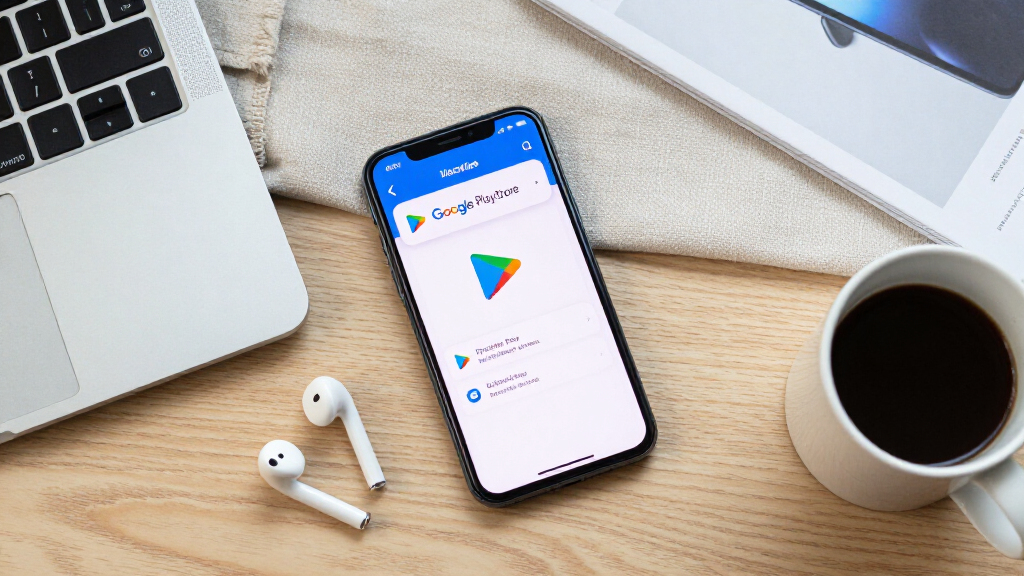
A judge has ordered Google to modify its app store policies to facilitate easier installation of rival app stores. The ruling addresses concerns over restrictions that hinder competition. The decision could impact how Google manages app distribution on Android devices.
A judge has ordered Google to modify its policies to make it easier for users to install apps from rival app stores. The ruling, issued in March 2024, addresses concerns over restrictions that limit competition in the Android app ecosystem, marking a significant legal development for the company and app developers.
The court’s order states that Google must remove or alter specific restrictions that prevent users from installing apps from third-party app stores. This decision follows a legal challenge alleging that Google’s policies violate antitrust laws by unfairly limiting competition. The ruling emphasizes that the current restrictions are ‘not acceptable’ and must be changed to ensure fair access for rival app stores.
Google has not yet publicly responded to the ruling, but the order indicates that the company will be required to implement technical and policy changes to comply. The decision is part of broader legal scrutiny over Google’s dominance in the Android ecosystem, especially regarding app distribution and marketplace control.
Legal Ruling Challenges Google’s App Store Restrictions
This ruling could significantly alter how Google manages app distribution on Android devices, potentially increasing competition among app stores. For users, it may lead to more options and easier access to alternative app sources. For Google, the decision could mean changes to its policies that have historically limited third-party app store installations, raising questions about its market dominance and compliance with antitrust laws.
As an affiliate, we earn on qualifying purchases.
Legal and Regulatory Actions on Android App Market
Google has faced multiple legal challenges worldwide over its control of the Android app ecosystem. Previous cases have accused the company of using its market power to stifle competition, particularly through its Google Play Store policies. This specific ruling builds on ongoing regulatory efforts to curb perceived monopolistic practices, with courts increasingly scrutinizing the restrictions placed on third-party app stores.
The case was brought by a coalition of developers and competitors who argued that Google’s restrictions unfairly limited consumer choice and stifled innovation. This ruling marks a notable legal victory for those advocating for a more open Android ecosystem, though the full scope of compliance remains to be seen.
As an affiliate, we earn on qualifying purchases.
Details on How Google Will Implement Changes Remain Unclear
It is not yet clear exactly how Google will modify its policies or technical systems to comply with the court order. The specific changes required and the timeline for implementation are still being determined, and Google has not provided detailed plans.
As an affiliate, we earn on qualifying purchases.
Google’s Compliance and Potential Market Impact to Follow
Google is expected to review the court’s ruling and develop a plan to implement the required changes. The company may appeal the decision or seek clarification on the scope of the order. Observers will monitor how these modifications affect the availability of third-party app stores and overall competition in the Android ecosystem.
As an affiliate, we earn on qualifying purchases.
Key Questions
What specific restrictions is Google being ordered to change?
The court has ordered Google to remove or alter policies that prevent or hinder users from installing apps from third-party app stores. The exact technical requirements are still being clarified.
Could this ruling affect Google’s market dominance?
Yes, the ruling may reduce barriers for competitors and alternative app stores, potentially increasing competition and challenging Google’s control over app distribution on Android devices.
Will Google appeal this decision?
It is not yet known whether Google will appeal. The company has not issued a public statement, but legal options remain available.
When will the changes be implemented?
The timeline for compliance has not been announced. Google is expected to review the ruling and develop a plan in the coming weeks.
How might this impact Android users?
Users could see more options for installing apps from alternative stores, potentially increasing flexibility and choice on Android devices.
Source: rss
Fall Picks
fall essentials
As an affiliate, we earn on qualifying purchases.