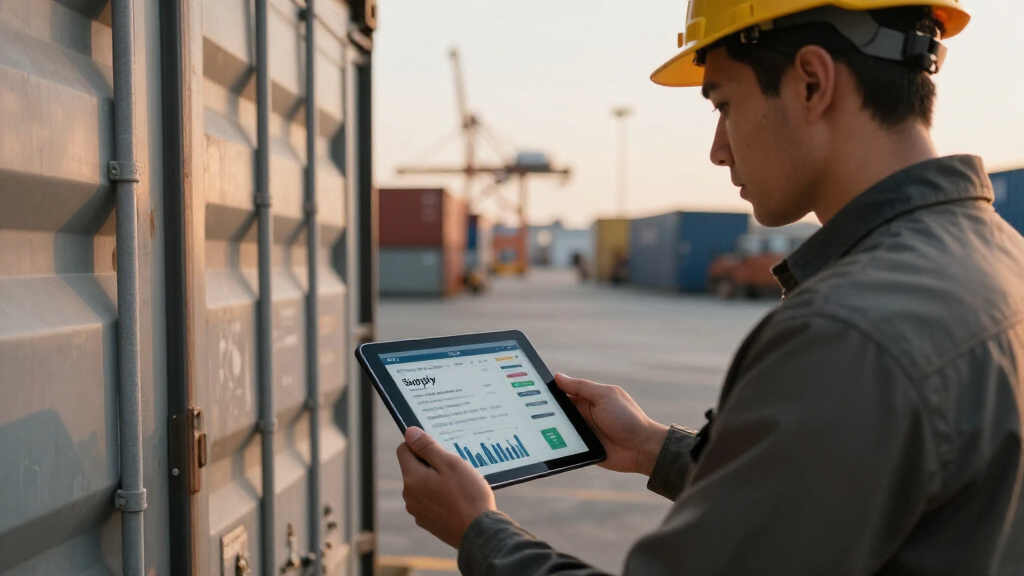

📊 Full opportunity report: Why Monitoring Border Felony Cases Is Crucial For Supply Chain Operations on IdeaNavigator AI — validation score, market gap, and execution plan.
Open a free Amazon Business account
Business pricing, bulk buying and tax-exempt orders.
Create a free accountAs an affiliate, we earn on qualifying purchases.
TL;DR
Recent felony charges for individuals deleting phone data at US borders highlight the need for supply chain managers to monitor border legal developments closely. Early awareness can influence decision-making and mitigate risks.
Recent felony charges against a citizen for deleting phone data at the US border exemplify the emerging legal risks that supply chain and trade operations must monitor closely. This case highlights the importance of role-specific, real-time intelligence to prevent disruptions and manage geopolitical exposure.
Trade and supply-chain operations are increasingly affected by legal and geopolitical developments at borders. The case of a citizen facing felony charges for deleting phone data at the US border, surfaced by Hacker News with an 88/100 signal, demonstrates how legal actions can have broader implications for trade and logistics teams.
Operations leads managing supply-chain and trade exposure struggle to detect such developments early because information is scattered across news outlets, forums, and filings, often without filters tailored to their role. This gap hampers timely decision-making and risk mitigation.
The proposed solution is a focused monitor that filters geopolitical and trade developments relevant to supply chain managers, providing quick, actionable briefs on critical events like border legal cases, enabling faster responses and strategic adjustments.
Why Border Legal Cases Impact Supply Chain Risk Management
Legal actions at borders can directly disrupt supply chains through delays, increased scrutiny, or legal sanctions. Early detection of such cases allows operations teams to adjust logistics plans, communicate with partners, and mitigate potential losses. As geopolitical tensions rise, understanding legal risks at borders becomes crucial for maintaining resilient supply chains and avoiding costly disruptions.
wireless earbuds for secure communication
As an affiliate, we earn on qualifying purchases.
As an affiliate, we earn on qualifying purchases.
Legal and Geopolitical Developments at US Borders
Recent years have seen an increase in border-related legal actions, including felony charges for activities like deleting phone data. These cases reflect a broader trend of heightened border enforcement and legal scrutiny, which can affect international trade flows and supply chain operations.
The specific case surfaced on Hacker News involved a citizen charged with a felony for deleting data at the US border, signaling a shift in border enforcement policies that could impact trade-related travelers and logistics providers. Monitoring such developments is vital for operations teams managing geopolitical and legal risks.
“Felony charges for deleting phone data at borders indicate a tightening of legal standards that could have ripple effects across international trade and travel.”
— a legal expert specializing in border law
As an affiliate, we earn on qualifying purchases.
Unclear Scope and Future Impact of Border Legal Cases
It is not yet clear how widespread such felony charges will become or how significantly they will impact international trade operations in the long term. The legal landscape at US borders is evolving, and the full scope of consequences remains uncertain.
As an affiliate, we earn on qualifying purchases.
Next Steps for Supply Chain Risk Monitoring
Supply chain and trade managers should develop or adopt role-specific monitoring tools that track border legal developments in real time. Further, industry groups and legal experts are expected to analyze the broader implications of increased border enforcement actions, shaping future risk mitigation strategies.
Ongoing developments will determine whether such legal cases become a standard part of border enforcement or remain isolated incidents. Continuous monitoring and adaptation will be key to maintaining supply chain resilience.
supply chain risk management software
As an affiliate, we earn on qualifying purchases.
As an affiliate, we earn on qualifying purchases.
Key Questions
How do felony charges at US borders affect international trade?
Felony charges related to border activities can lead to delays, legal complications, and increased scrutiny for travelers and cargo, potentially disrupting supply chains and increasing costs.
What should supply chain managers do to prepare for legal border developments?
Managers should implement real-time monitoring tools focused on border legal cases and develop contingency plans to adjust logistics and communications accordingly.
Are these border legal cases likely to increase in frequency?
The trend suggests increased enforcement and legal actions at borders, but the scale and long-term impact are still uncertain and subject to policy changes.
What role can technology play in monitoring border legal risks?
Advanced role-specific monitoring systems that filter relevant geopolitical and legal developments can provide timely alerts, enabling proactive decision-making.
Will this legal trend affect other countries’ border enforcement policies?
While this case is specific to the US, similar enforcement trends could emerge elsewhere, making international coordination and monitoring increasingly important.
Source: IdeaNavigator AI
NFL season / tailgating Picks
team gear
As an affiliate, we earn on qualifying purchases.