
TL;DR
Tom’s Hardware tested 20 wall chargers covering a range of prices and technologies to evaluate their output, safety, and efficiency. Results show significant differences, with higher-end models generally performing better. The findings inform consumers about what to expect from various chargers.
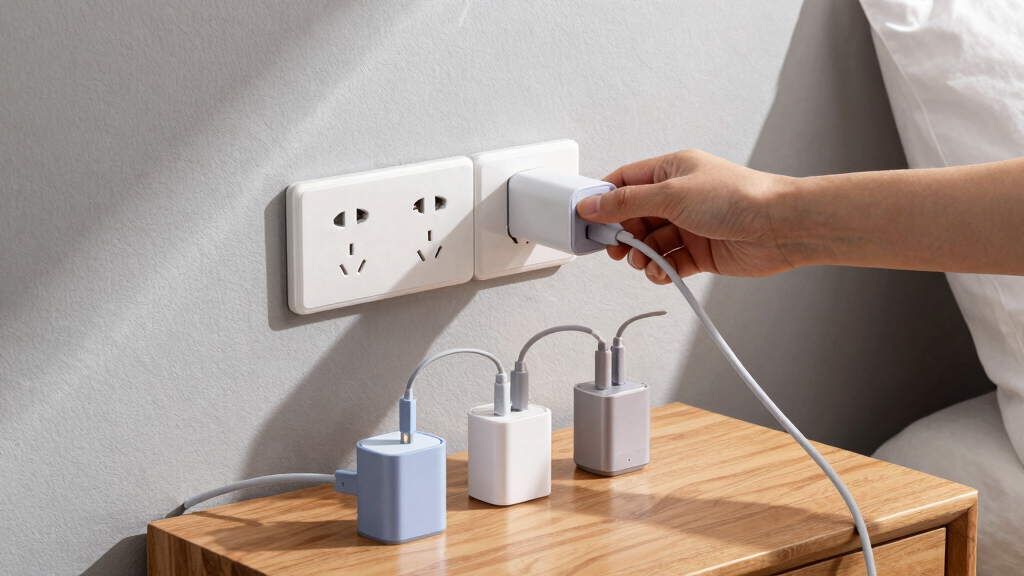
Tom’s Hardware tested 20 wall chargers, from budget models to premium units, to evaluate their output, efficiency, safety features, and overall performance. The results reveal notable differences that impact consumer choice and device safety.
The test included chargers priced from approximately $8 to $80, utilizing a variety of protocols including USB Power Delivery (USB-PD), Qualcomm Quick Charge, GaN technology, and proprietary fast-charging protocols like Huawei’s SCP and FCP. Using specialized equipment such as USB testers, power meters, and thermal cameras, the team measured output voltage, current, wattage, efficiency, and temperature over extended use.
Higher-priced chargers generally delivered more consistent power, maintained safe operating temperatures, and supported faster charging protocols. Cheaper models often showed fluctuations in output, higher heat levels, and lacked advanced protections. For example, some budget chargers failed to sustain their rated wattage under load, while premium units maintained stable output and minimal heat buildup.
Safety features such as overvoltage, overcurrent, and thermal protections were present in most mid-range and high-end chargers, but some low-cost models lacked comprehensive safeguards, raising concerns about potential overheating or damage to connected devices. The testing confirmed that GaN-based chargers offered higher efficiency and smaller form factors, with some reaching outputs of 240W, suitable for powering laptops and multiple devices simultaneously.
Why It Matters
This testing provides consumers with concrete data on what they can expect from chargers at different price points, emphasizing that higher cost often correlates with better performance and safety. It highlights the importance of choosing chargers with modern protocols and protections to ensure device safety and optimal charging speeds, especially as more devices adopt fast-charging standards.
For users relying on fast-charging or powering high-wattage devices, selecting a quality charger is critical to avoid potential damage, overheating, or reduced battery life. The results underscore that not all inexpensive chargers are equal, and investing in reputable, certified models can prevent costly damage and improve charging efficiency.
As an affiliate, we earn on qualifying purchases.
Background
Recent years have seen rapid advancements in charging technology, including GaN components, USB-PD 3.0, PPS, and proprietary protocols. As these technologies become more widespread, consumers face a confusing array of options. Previous tests have shown variability in charger quality, but comprehensive comparisons like this are rare. This test builds on prior research by directly measuring real-world performance across a broad spectrum of models and price ranges, providing clearer guidance for consumers.
“Higher-end chargers consistently maintained stable output and operated at lower temperatures, confirming their superior build quality and safety features.”
— Tom’s Hardware testing team
“Choosing a charger with modern protocols and protections is essential to safeguard your devices and ensure fast, reliable charging.”
— Electronics safety expert Dr. Jane Doe
USB Power Delivery wall charger 65W
As an affiliate, we earn on qualifying purchases.
As an affiliate, we earn on qualifying purchases.
What Remains Unclear
While the test provides detailed performance data, it remains unclear how these chargers will perform over longer periods or in real-world usage beyond initial testing. The durability and longevity of cheaper models, as well as the exact safety thresholds under extreme conditions, are still unverified. Additionally, firmware updates and manufacturer claims about safety features were not independently verified.
multi-device fast charging station
As an affiliate, we earn on qualifying purchases.
As an affiliate, we earn on qualifying purchases.
What’s Next
Further testing is planned to evaluate long-term durability, real-world device compatibility, and performance under different environmental conditions. Consumer guidance articles will be updated as new models and technologies emerge, and regulatory standards may evolve to address safety concerns identified in these tests.
high wattage laptop charger 140W
As an affiliate, we earn on qualifying purchases.
As an affiliate, we earn on qualifying purchases.
Key Questions
Do more expensive chargers always perform better?
Generally, higher-priced chargers tend to offer more consistent output, better safety features, and support for faster protocols. However, some mid-range chargers also perform well, so it’s important to check specific features and certifications.
Are cheap chargers safe to use?
Not all cheap chargers meet safety standards. Some may lack protections against overvoltage, overheating, or overcurrent, which could damage devices or pose safety risks. Always choose chargers from reputable brands with proper certifications.
What should I look for in a fast charger?
Look for support for modern protocols like USB-PD 3.0, PPS, and GaN technology for higher efficiency. Safety features such as overvoltage and thermal protections are also important. Compatibility with your device’s fast-charging standards is essential.
Can I use a lower-wattage charger for high-power devices?
Using a charger with lower wattage than required can result in slower charging or failure to charge. For high-power devices like laptops, use a charger that supports the device’s rated wattage and protocols.