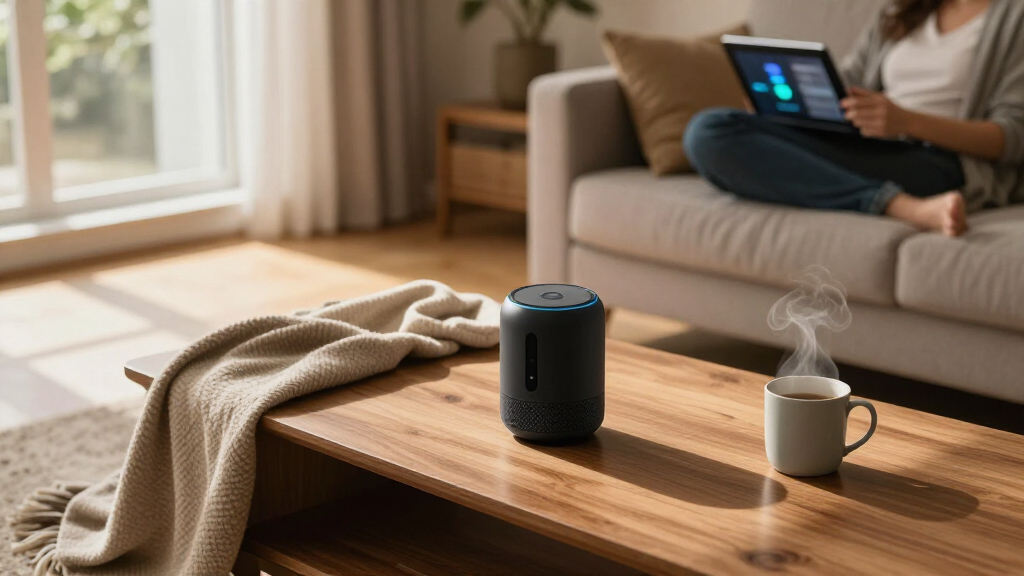

🔍 Read the full analysis: 14 AI-Powered Home Gadgets Set To Transform 2026 on ThorstenMeyerAI.com

Get the latest gadgets delivered free with Prime
- Fast, free delivery on millions of items
- Prime Video, Amazon Music and more included
- Member-only deals all year
TL;DR
In 2026, 14 new AI-powered home gadgets are expected to reshape smart living, offering advanced automation, privacy, and integration features. These devices range from energy monitors to voice control panels, promising significant upgrades for homeowners.
Fourteen AI-powered home gadgets are set to launch in 2026, promising to transform smart living with advanced automation, energy management, and intuitive interfaces. For a detailed overview, see the original analysis. These innovations are driven by developments in local AI processing, multi-protocol support, and seamless ecosystem integration, making homes more responsive and efficient. The launch of these devices underscores a significant industry shift toward smarter, privacy-conscious, and user-friendly home environments. Learn more about the top AI home automation devices in this comprehensive guide.
Leading the charge, the Home Energy Monitor with IoT and AI Integration offers comprehensive energy insights and automation capabilities, enabling homeowners to optimize consumption and reduce costs. The SwitchBot AI Hub supports Matter protocol and local storage, facilitating seamless integration across smart home ecosystems while prioritizing privacy. The Multi-Functional AI Voice Control Panel provides an intuitive interface for voice commands, supporting multiple languages and automation routines.
Other notable devices include AI-enhanced security cameras with facial recognition, smart thermostats with predictive heating, and robotic cleaning devices with adaptive navigation. Check out smart home gadgets for more innovative solutions. Many of these gadgets leverage local AI processing to reduce latency and enhance privacy, addressing growing consumer concerns about data security. Compatibility with existing protocols like Zigbee, Z-Wave, and Wi-Fi remains a key factor for integration, with some devices supporting multiple standards for flexibility.
Market analysts highlight that these innovations come amid a broader push for home automation that balances advanced features with ease of use, catering to both tech-savvy users and beginners. While some devices offer extensive customization, others focus on plug-and-play simplicity. The cost spectrum varies, with premium options providing cutting-edge AI features and more affordable products offering essential automation functions. The industry anticipates rapid adoption as these devices become available throughout 2026.
The 14 picks
- 1
 SwitchBot AI Hub with OpenClaw Support and Local Camera StorageView on Amazon →
 - 2
 Hubitat Elevation C-8 Pro Smart Home Automation Hub – Matter 1.5, Z-Wave 800…View on Amazon →
 - 3
 Multi-Functional AI Voice Control Panel with Mechanical LCD Keys and Secondar…View on Amazon →
 - 4
 Home Energy Monitor – Real Time Electricity Usage Monitor with AI-Powered Ana…View on Amazon →
 - 5
 SenseCAP Watcher W1-A Physical AI Agent, Clear Enclosure, Compatible with Hom…View on Amazon →
 - 6
 iSG Box SE ZB Smart Home Hub with Preinstalled Home AssistantView on Amazon →
 - 7
 AI-Powered Smart Home DevicesView on Amazon →
 - 8
 iSG Box SE Smart Home Hub with Preinstalled Home AssistantView on Amazon →
 - 9
 Arduino Home Automation Projects: Automate Your Home Using the Arduino PlatformView on Amazon →
 - 10
 SwitchBot Smart mmWave Radar Motion Sensor, Bluetooth Presence Sensor with Dy…View on Amazon →
 - 11
 Meross Presence Sensor MS605, IP67 Battery-Powered, Matter Over ThreadView on Amazon →
 - 12
 AI-Powered Smart Home Guide 2026: A Step-by-Step Guide to Designing, Optimizi…View on Amazon →
 - 13
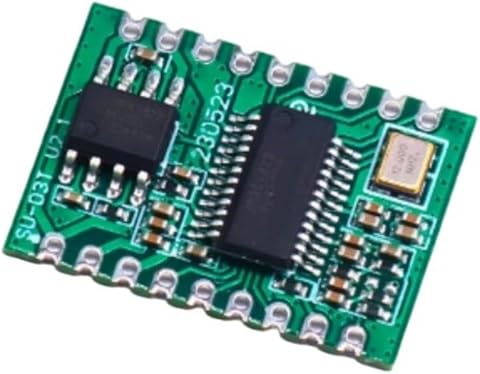 Local AI Voices Command Processor for Home Automation SystemsView on Amazon →
 - 14
 AI Powered Smart Home Guide for Beginners 2026View on Amazon →
Impact of 2026’s AI Home Gadgets on Daily Life
The introduction of these 14 AI-powered home gadgets signals a major shift in how consumers will interact with their living spaces. Enhanced automation will lead to more energy-efficient homes, reducing utility costs and environmental impact. Improved privacy through local AI processing addresses growing concerns over data security, making smart homes safer. Additionally, increased compatibility and user-friendly interfaces will broaden adoption, making advanced home automation accessible to a wider audience. These developments could redefine standards for convenience, sustainability, and security in residential environments.
Products Worth Considering

Samsung 27-Inch Odyssey QD-OLED G8 4K 240Hz Gaming Monitor

Sonos Era 100 Wireless Smart Speaker, Black

LG 34GX90SA-W 34-inch Ultragear WQHD OLED Curved Gaming Monitor
As an affiliate, we earn on qualifying purchases.
Development Timeline and Industry Trends Leading to 2026
Over the past few years, the smart home market has experienced rapid growth, driven by advances in AI, IoT, and connectivity standards like Matter. Companies have increasingly focused on integrating AI that processes locally to improve responsiveness and privacy. Early prototypes and concept devices showcased at technology expos in 2024 set the stage for mainstream adoption in 2026. Industry reports indicate a surge in AI-enabled devices, with a focus on energy management, security, and voice control, reflecting consumer demand for smarter, more private home environments.
Major players such as Amazon, Google, Apple, and emerging startups have announced plans to release AI-enhanced devices, emphasizing compatibility and ease of setup. The trend toward multi-protocol support and open standards aims to future-proof systems, reducing the need for costly upgrades. As the market matures, the emphasis on local AI processing continues to grow, addressing privacy concerns and reducing reliance on cloud services.
What Aspects of 2026’s AI Home Devices Remain Unclear
While many devices have been announced, detailed specifications, pricing, and availability dates are still emerging. It is not yet clear how well these gadgets will perform in real-world conditions or how smoothly they will integrate with existing smart home setups. Consumer acceptance and potential regulatory impacts remain uncertain, especially regarding data security and privacy standards. Additionally, the longevity and software update policies of some products are still unknown, which could affect their long-term value.
Upcoming Launches and Industry Milestones for 2026
Manufacturers are expected to begin rolling out these 14 AI home gadgets throughout 2026, with initial releases in early Q2. Consumer reviews and field tests will follow, providing insights into performance and usability. Industry events such as CES 2026 will showcase further innovations and updates. Market analysts predict that adoption will accelerate as products mature, with software updates enhancing features over time. Regulatory developments around privacy and interoperability standards could also influence product features and compatibility in the coming months.
Key Questions
Will these AI gadgets work with my existing smart home system?
Many of the announced devices support popular protocols like Zigbee, Z-Wave, and Wi-Fi, and some support open standards like Matter, making compatibility likely. However, it is advisable to verify specific device compatibility with your current setup before purchasing.
Are these new devices secure and privacy-focused?
Most manufacturers emphasize local AI processing and encryption to protect user data. Still, security varies by brand, and consumers should choose reputable products and keep firmware updated to minimize risks.
Can I upgrade or expand my smart home with these gadgets later?
Yes, most devices are designed with scalability in mind, supporting common protocols and open standards. Future expansion should be straightforward, especially if devices adhere to standards like Matter.
What is the expected price range for these new gadgets?
Prices are expected to vary widely, from budget-friendly options around $50 to premium devices exceeding $200. Premium models will likely offer more advanced AI features and better integration.
When will these gadgets be available for purchase?
Manufacturers plan to release the first batch in early 2026, with widespread availability expected by mid-year. Exact dates will depend on individual product development timelines.
Source: ThorstenMeyerAI.com