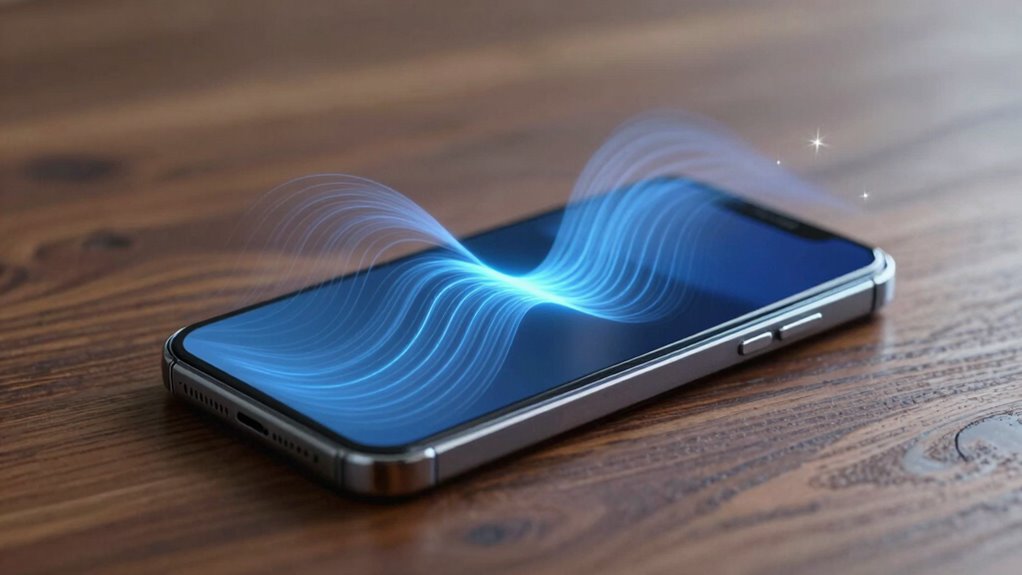

There’s no need to worry too much about EMF radiation from your devices, as current research shows typical exposure levels are below what’s proven to cause harm. Phones emit non-ionizing radiofrequency radiation, which is low-energy and localized, decreasing with distance and time. Regulatory standards are in place to keep emissions within safe limits, and most people experience minimal health effects. If you want to understand how these safety measures work and what you can do, there’s more to learn ahead.
Key Takeaways
- EMF from phones is non-ionizing and generally considered low-energy, posing minimal health risks at typical usage levels.
- Scientific evidence remains inconclusive; current safety standards regulate device emissions to ensure user safety.
- Using speakerphone, headphones, or limiting prolonged exposure can effectively reduce EMF contact.
- Ongoing research seeks to clarify long-term health effects, but no definitive dangers have been confirmed.
- Practical precautions and awareness help manage EMF exposure without disrupting regular device use.

Halsa EMF Shield Sleeve for Cell Phone – Signal Blocking Anti-EMP Pouch – Smartphone Protection Case Against Radiation, EMF, 5G, RFID – Grey – 4×8 Inch Fits Most Phones
Unrivaled EMF Radiation Defense: Halsa’s interior, lined with 100% pure silver-fiber fabric, offers maximum protection, blocking over 99%…
As an affiliate, we earn on qualifying purchases.
As an affiliate, we earn on qualifying purchases.
What Is Electromagnetic Field (EMF) Radiation?

Electromagnetic Field (EMF) radiation is a type of energy emitted by electronic devices, including your phone. When you use wireless charging, your device creates magnetic fields that transfer energy wirelessly. This process relies on electromagnetic fields to generate power without physical connectors. These magnetic fields are a form of non-ionizing radiation, meaning they don’t have enough energy to remove atoms from your body. EMF radiation from phones and wireless chargers is generally low, but it’s still a good idea to understand how it works. The magnetic fields involved are localized around the device, and they diminish quickly with distance. Recognizing how EMF interacts with your gadgets helps you make informed decisions about their safe use. Understanding EMF exposure can help you better assess potential health effects, especially considering the low energy levels involved in typical usage. Being aware of EMF safety guidelines can further help minimize unnecessary exposure during regular use. Additionally, staying informed about EMF emission standards from reputable sources can guide safer device usage. It’s also helpful to consider device placement to reduce exposure, particularly when devices are used close to the body.

ERICKHILL 3 in 1 EMF Detector, Electromagnetic Field Radiation Detector for EF, RF, MF, WiFi,5G Signal,Triple Alarm Modes, Type-C Charging, EMF Meter for Home, Office, and Paranormal Investigation
All-in-One Detection: RT-100S 3-in-1 EMF Reader measures Electric (EF), Magnetic (MF), and Radio Frequency (RF) fields to monitor…
As an affiliate, we earn on qualifying purchases.
As an affiliate, we earn on qualifying purchases.
Types of EMF Emitted by Common Devices
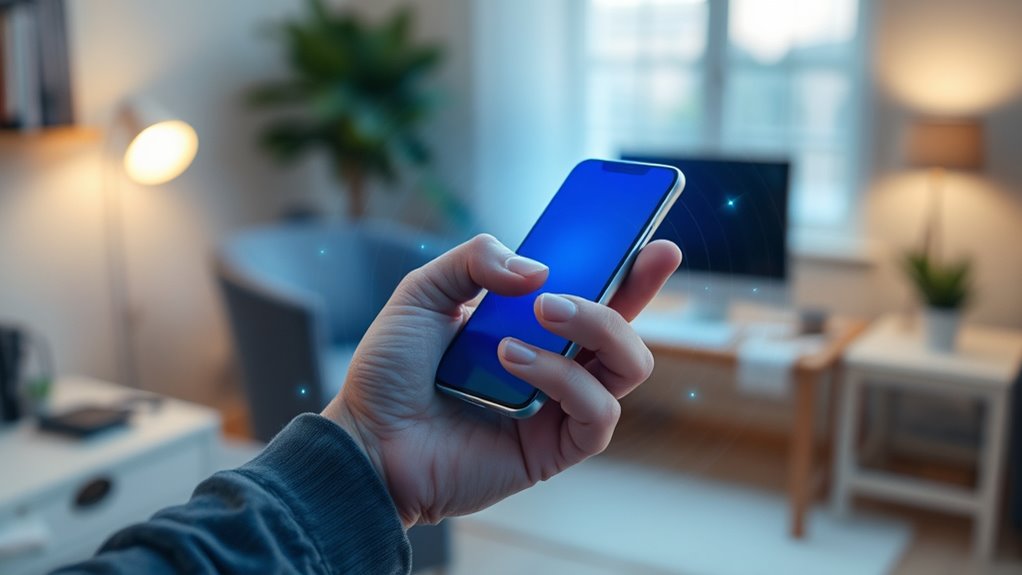
Different devices emit various types of EMF, each with unique characteristics and energy levels. For example, your cell phone produces radiofrequency (RF) radiation, while appliances like microwaves emit higher-energy microwave EMF. To assess exposure, emf measurement methods help determine the strength and frequency of these fields. You can use devices designed for emf measurement to identify areas where EMF levels are high. If you’re concerned, device shielding options—like cases or covers—can reduce your exposure by blocking or diminishing EMF transmission. Understanding the types of EMF emitted by your devices helps you make informed decisions about usage and protective measures. Recognizing these differences ensures you’re aware of potential risks and can implement effective shielding strategies if needed.
![[2 Pack] Bluetooth Earpiece Wireless Handsfree Headset V5.0 24 Hrs Driving with Mic 60 Days Standby Bluetooth Headset for iPhone Android Samsung Driver](https://m.media-amazon.com/images/I/418ysTJ9XbL._SL500_.jpg)
[2 Pack] Bluetooth Earpiece Wireless Handsfree Headset V5.0 24 Hrs Driving with Mic 60 Days Standby Bluetooth Headset for iPhone Android Samsung Driver
[CVC 6.0 Handsfree Talking] 2 Pack New bee hands-free headsets employs CVC 6.0 technology. The sound whilst on…
As an affiliate, we earn on qualifying purchases.
As an affiliate, we earn on qualifying purchases.
Scientific Evidence on EMF and Health Risks
While some studies suggest that long-term exposure to EMF from devices may pose health risks, the scientific community has not reached a definitive consensus. Research on phone safety remains mixed, with some findings hinting at possible links between EMF exposure and health issues, while others show no clear effects. These mixed results make it hard to draw firm conclusions. To reduce potential risks, many suggest using device shielding or keeping your phone at a distance when possible. But overall, current evidence doesn’t confirm that typical device use causes serious health problems. It’s wise to stay informed and practice reasonable precautions, especially if you’re concerned about EMF exposure. Ongoing research continues to clarify the relationship between EMF and health, but for now, experts recommend balanced device use. Vetted

EMF Shield Sticker for AirPods – Lab-Tested Electromagnetic Wave Reduction, Made in USA, Patented for 5G & Wireless Devices, Works with All Short Stem AirPods 2nd/ 3rd/ 4th Gen – WaveBlock (1-Pack)
A Solution for Electromagnetic Waves – Developed out of concern for prolonged wireless device usage, WaveBlock offers an…
As an affiliate, we earn on qualifying purchases.
As an affiliate, we earn on qualifying purchases.
How Phones Emit Radiation and Exposure Levels

Your phone emits radiofrequency signals from multiple sources, primarily when it connects to cell towers or Wi-Fi. The strength of these signals varies depending on your distance from towers and network conditions. Plus, the longer you use your phone, the more your exposure levels can increase, especially during extended calls or browsing sessions. Understanding EMF exposure can help you make informed decisions about your device use.
Radiofrequency Emission Sources
Phones emit radiofrequency (RF) radiation when they connect to cell towers, Wi-Fi networks, or Bluetooth devices to transmit data. When you’re using wireless charging, your phone still emits RF waves, especially if it communicates with charging pads via magnetic fields. Bluetooth devices, such as headphones or fitness trackers, also emit RF signals when connected, though at lower levels than cell signals. These emissions occur during active use, but they decrease when your phone is idle or in standby mode. Exposure levels depend on distance, duration, and device activity. While RF radiation from these sources is generally low, keeping your phone at a distance during wireless charging or limiting Bluetooth device use can help reduce your overall exposure. Additionally, natural environmental factors can influence RF exposure levels and should be considered when assessing potential risks. Being aware of device activity patterns can further help you manage your cumulative RF exposure effectively.
Signal Strength Variability
The amount of radiation your device emits varies depending on signal strength, which fluctuates based on your location and network conditions. When your phone has a weak signal, it increases power to maintain a connection, leading to higher radiation levels. This signal variability means your exposure isn’t constant; it can spike during poor reception. Device interference from surrounding electronics can also impact signal strength, causing your phone to work harder and emit more radiation. Conversely, when you’re in areas with strong signal, your phone minimizes power output, reducing radiation exposure. Understanding this fluctuation helps you realize that your EMF exposure isn’t fixed but depends on external factors like signal quality and interference. Keeping your device in good reception areas can help limit unnecessary radiation emissions.
Usage Duration Impact
The longer you use your device, the more radiation you are exposed to, since emission levels are directly linked to active usage. Your usage duration directly impacts your daily exposure to EMF from your phone. The more time you spend on calls, browsing, or streaming, the higher your cumulative radiation levels become. Keeping usage duration in check can help reduce overall exposure, especially during prolonged activities. Limiting consecutive calls or taking regular breaks can make a significant difference. Even short periods of reduced usage can lower your daily exposure. Being mindful of how long you use your device helps you manage potential risks associated with EMF emissions. For example, understanding emission levels can provide insights into how different individuals navigate challenges and resilience, similar to managing device usage. Monitoring exposure levels can further assist in making informed decisions about safe phone practices, empowering you to take control of your health. Ultimately, controlling your usage duration allows you to stay informed and minimize unnecessary radiation exposure.
Understanding Regulatory Standards and Safety Limits
Regulatory exposure limits set safety thresholds to protect you from excessive EMF exposure. These standards are based on scientific research and are designed to keep your device use within safe boundaries. Understanding these limits helps you make informed decisions about your phone use and safety. Additionally, awareness of pool features & accessories can help you optimize your environment for safety and well-being. Recognizing safety standards ensures that your devices operate within established guidelines, minimizing potential health risks associated with electromagnetic fields. It is also helpful to stay informed about EMF measurement techniques to better assess your personal exposure levels. Being aware of scientific research on EMF safety can further guide you in making healthier choices regarding device usage.
Regulatory Exposure Limits
Understanding regulatory exposure limits is essential because these standards set the maximum safe levels of electromagnetic fields (EMF) your devices can emit. Governments and organizations establish these limits to protect you from potential health risks. They also enforce strict compliance through regulatory enforcement, ensuring manufacturers adhere to safety standards. Regular review and update of standards by regulatory agencies based on new scientific findings help maintain safety. Additionally, scientific research continuously informs these safety thresholds to account for emerging evidence. This means your phone’s EMF levels are monitored and controlled, providing peace of mind. Furthermore, compliance monitoring plays a crucial role in ensuring ongoing adherence to safety standards across different devices and manufacturers. Staying within these limits through safety standards enforcement helps keep your exposure safe, even during prolonged use. It is also important to understand that EMF exposure limits are established with safety margins to accommodate various user scenarios and device types.
Safety Thresholds Explained
While regulatory standards may seem complex, they play a crucial role in ensuring your devices are safe to use. These safety thresholds are set through rigorous testing and ongoing radiation monitoring to limit EMF exposure. Manufacturers often incorporate device shielding to reduce radiation emissions and help meet safety limits. Understanding these thresholds helps you gauge whether your device operates within safe levels. Regulatory agencies, like the FCC or ICNIRP, establish exposure limits based on scientific research, providing a clear safety margin. By adhering to these standards, manufacturers ensure that your phone’s radiation stays below harmful levels. Staying informed about these safety thresholds allows you to use your devices confidently, knowing they comply with established safety limits designed to protect your health. compliance standards play a vital role in maintaining safe electromagnetic field levels around consumer electronics. Additionally, ongoing radiation monitoring ensures that devices continue to meet safety requirements throughout their lifespan. Recognizing the importance of scientific research helps justify the safety limits set by regulatory agencies and supports consumer confidence. Maintaining awareness of exposure limits can further help you make informed decisions about your device usage. Moreover, advancements in technology continually improve the safety features of modern devices, further reducing potential risks.
Practical Ways to Minimize Your EMF Exposure
To reduce your exposure to EMF from your devices, you can take simple, practical steps. Increasing emf awareness helps you make informed choices, while device shielding can block or reduce exposure. Start by keeping your phone away from your body when not in use, such as in a bag or on a desk. Use speakerphone or headphones during calls to minimize direct contact. Additionally, consider using EMF shielding accessories designed to reduce radiation exposure. These small adjustments can make a big difference without disrupting your daily routine. Being mindful of how and when you use your devices empowers you to lower your EMF exposure effectively. Modern kitchen technology can also incorporate smart solutions that help monitor and reduce your overall electromagnetic exposure. Simple habits like these help you stay safer while staying connected.
Myths and Facts About Phone Radiation
There are many myths about phone radiation, but not all are backed by science. Understanding the facts and common misconceptions helps you make informed choices. Let’s look at what scientific evidence says and some practical safety tips you can follow.
Common Radiation Myths
Many common beliefs about phone radiation are actually myths that can cause unnecessary worry. Myth busting is essential to challenge misconceptions shaped by public perception. For example, some think that holding your phone close to your head definitely causes cancer, but evidence doesn’t support this. Others believe that turning off Wi-Fi or airplane mode completely eliminates all EMF exposure, which isn’t entirely true. Finally, many assume that only old phones emit dangerous radiation, but newer devices follow strict safety standards. Recognizing these myths helps you make informed decisions and reduces unwarranted fears. Understanding the facts versus fiction allows you to navigate your device use confidently and calmly. Don’t let misconceptions drive your concerns—focus on accurate information instead.
Scientific Evidence Overview
Understanding the scientific evidence behind phone radiation helps you separate facts from myths. Research on biological effects shows mixed results, but most studies indicate minimal or no harmful impact at typical exposure levels. Epidemiological studies have investigated potential links between phone use and health issues like cancer, yet findings remain inconclusive. While some early concerns suggested a connection, larger, well-designed studies haven’t confirmed significant risks. Regulatory agencies, such as the WHO and FCC, base guidelines on current evidence, which generally indicates that everyday phone use is safe. It’s important to contemplate that ongoing research continues to explore long-term effects. By examining scientific data objectively, you can better understand the real risks and avoid falling for misconceptions about phone radiation.
Practical Safety Tips
Despite common fears, most experts agree that everyday phone use poses minimal health risks from EMF radiation. To stay safe, consider simple tips. Use wireless charging stations to keep your phone away from your head during long calls. When not in use, enable emf shielding features if available, reducing exposure. Keep your phone at a distance when possible—using hands-free options helps. Avoid holding your phone directly against your ear for extended periods. Limit the time you spend with your device close to your body. Regularly update your phone’s software to optimize safety features. These small steps can help reduce your overall exposure and ease concerns about EMF radiation from your devices.
Who Might Be More Sensitive to EMF Effects
Certain groups of people may be more sensitive to EMF exposure from their devices. These individuals often have heightened or unusual reactions to electromagnetic fields, known as individual sensitivities. Vulnerable populations include children, pregnant women, and those with certain health conditions or neurological disorders. If you belong to one of these groups, you might notice symptoms like headaches, fatigue, or dizziness more easily when exposed to EMF. While research is ongoing, it’s wise to be cautious if you suspect increased sensitivity. Reducing your exposure, such as using speakerphone or earbuds, can help you feel safer. Remember, individual sensitivities vary, and listening to your body is key to managing your EMF environment effectively.
Emerging Research and Future Perspectives
Emerging research continues to shed light on the potential health effects of EMF exposure from mobile devices, though definitive conclusions remain elusive. As scientists explore this field, technological innovations are improving measurement accuracy and safety standards. Future studies may better clarify long-term risks and help shape policies to protect users. You can expect to see:
- Advances in device design reducing EMF emissions
- New guidelines informed by ongoing research
- Policy developments balancing innovation with health safety
While the science is still evolving, staying informed about technological progress and policy changes will help you make smarter choices. Researchers remain committed to understanding EMF’s true impact, so future perspectives could bring clearer answers and better protections for everyone.
Balancing Technology Use and Health Precautions
Balancing technology use with health precautions requires you to be mindful of how much time you spend on devices and the ways you interact with them. Limit prolonged exposure by taking breaks and avoiding holding your phone directly against your head. Consider using wireless charging instead of wired options to reduce electromagnetic exposure. Employ electromagnetic shielding cases to block EMF when necessary. Use the table below to help you find a balance:
| Action | Benefit |
|---|---|
| Limit screen time | Reduces overall EMF exposure |
| Use speakerphone or headphones | Keep device away from your head |
| Enable airplane mode when not in use | Minimize EMF emissions |
| Invest in shielding accessories | Decrease electromagnetic radiation |
| Practice mindful device interaction | Supports overall health |
Frequently Asked Questions
Can Using a Phone Case Reduce EMF Exposure Effectively?
Using a phone case can help reduce EMF exposure if it’s designed for emf reduction. Look for cases with built-in shielding or materials that block or absorb radiation. While not foolproof, these cases can decrease the amount of EMF reaching your body. Keep in mind, the effectiveness varies by product. Combining a emf reduction phone case with other safe practices offers the best way to minimize your exposure.
Are Children More Vulnerable to EMF Radiation From Phones?
Yes, children are more vulnerable to EMF radiation from phones because their developing bodies and brains absorb higher levels of radiation. This increased child vulnerability can lead to potential developmental impacts, such as affecting brain development or increasing the risk of health issues later in life. To protect your child, limit phone use, keep devices away from their body, and encourage safe habits to reduce exposure.
How Does Wi-Fi Radiation Compare to Cell Phone Radiation in Health Risks?
Think of wireless frequency as a gentle rain and radiation penetration as the droplets seeping through your umbrella. Wi-Fi radiation generally emits lower levels of electromagnetic fields compared to cell phones, making it less penetrating and less risky. While both emit wireless frequency, your exposure from Wi-Fi is usually minimal and less concerning for health risks. Still, staying mindful of your environment helps keep you in control.
Does Carrying a Phone in Your Pocket Increase Health Risks?
Carrying your phone in your pocket can increase health risks due to nearby EMF exposure. To reduce this, consider pocket placement carefully and use EMF shielding products, like specialized cases or shields, which can block some radiation. While current evidence isn’t definitive, taking precautions like keeping your phone away from your body when not in use is a smart move to minimize potential risks.
Are There Proven Long-Term Health Effects From Everyday EMF Exposure?
Long-term studies haven’t conclusively proven significant biological effects from everyday EMF exposure. You might worry, but current research suggests the risks are minimal with typical device use. Still, it’s wise to stay informed and limit prolonged exposure when possible. While the science continues, following safety guidelines can help reduce any potential health concerns, giving you peace of mind without unnecessary alarm.
Conclusion
While concerns about phone radiation are common, most studies show your exposure stays within safety limits. Did you know that the average smartphone emits less radiation than a microwave? If you’re mindful of your usage—like using earbuds or limiting calls—you can enjoy your devices without worry. Staying informed and following safety guidelines helps you balance tech use and health, so you can stay connected without unnecessary stress.