TL;DR
SpaceX exercised an option on June 16, 2026, to buy Anysphere, the maker of Cursor, for $60 billion in all-stock, according to the supplied deal analysis. The bull case rests on Cursor’s fast revenue growth, enterprise traction and possible cost savings from SpaceX’s AI infrastructure. The deal is signed but not closed, and risks include regulatory review, stock volatility, model quality and integration.
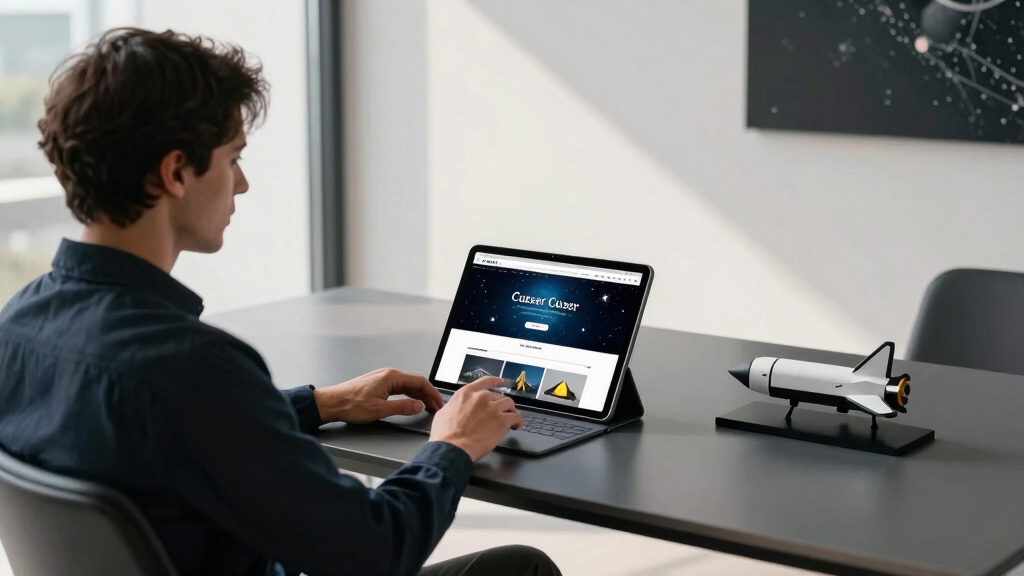
SpaceX exercised its option on June 16 to buy Anysphere, maker of the AI coding tool Cursor, for $60 billion in all-stock, according to source material citing SpaceX SEC filings and news reports. The signed but not closed deal would put one of the fastest-growing AI developer tools inside Elon Musk’s post-IPO SpaceX, making it a major test of whether a high-priced software purchase can strengthen the company’s wider AI strategy.
The headline price values Cursor at about 15 times its roughly $4 billion in annualized revenue as of early June, according to the source material. The bull case depends on the revenue curve: the analysis says Cursor rose from about $2 billion in annualized revenue in February to $3 billion in late April and $4 billion by early June. Anysphere projects more than $6 billion by year-end 2026, but those forward figures are company projections, not reported results.
The deal was structured entirely in SpaceX stock. The source material says the acquisition represented about 3.4% dilution at SpaceX’s IPO valuation and less than 3% of the company’s market value. It also says SpaceX shares rose about 16% when the deal was announced, though the value of an all-stock transaction can shift if the acquirer’s shares move before closing.
SpaceX is not only buying a code editor. The analysis says Cursor has more than 1 million paying users, 50,000 enterprise customers and users at more than half of Fortune 500 companies. It also says Cursor’s enterprise subscription business has positive gross margins, while its broader profitability is constrained by the cost of buying model access and compute from outside suppliers.
The $60B bargain: why Cursor could be a steal
$60 billion for a code editor sounds like a bubble. Look past the headline and the price isn’t the scandal — it’s the discount. Here’s the case that SpaceX got Cursor cheap.
A melting multiple, paid in appreciating paper that cost almost nothing, for the profitable leader of the only AI category reliably making money — plus the missing app layer and an escape from the margin trap. If the growth holds and integration doesn’t break the product, $60B will read like a down payment. The risk isn’t overpaying for what Cursor is — it’s breaking what made it worth buying.
A Developer Gateway For SpaceX
The strategic case is that Cursor gives SpaceX a daily work tool used by software teams, a different position from owning infrastructure or foundation models alone. If the acquisition closes, SpaceX would gain a customer-facing software layer where enterprise AI budgets are already being spent.
The source material frames the deal as a way for SpaceX to reduce Cursor’s cost problem by routing more work through its own AI infrastructure and xAI models. That is an interpretation, not a confirmed outcome. The value of the acquisition depends on whether SpaceX can lower costs while keeping Cursor useful to developers who may already compare it with Claude Code, OpenAI Codex, GitHub Copilot and other tools.
The deal also removes Cursor as an independent target for rivals. The source material says Cursor had rebuffed approaches from OpenAI and Microsoft before the SpaceX option. If accurate, that would make the acquisition a defensive move as well as a growth bet.
As an affiliate, we earn on qualifying purchases.
Cursor’s Rapid Revenue Rise
Cursor is made by Anysphere and is used to write, edit and reason about code with AI assistance. The company became one of the best-known startups in AI coding as software teams shifted more budget toward tools that can autocomplete, refactor and generate code inside daily workflows.
The timing matters. The source material places SpaceX’s move four days after the company priced what it describes as the largest IPO in history at a valuation above $2 trillion. That stock price gave SpaceX an expensive acquisition currency and made a $60 billion all-stock purchase possible with limited dilution.
The deal analysis also links the acquisition to Musk’s broader consolidation of AI assets, including xAI inside SpaceX. In that reading, Cursor supplies the application layer while SpaceX and xAI supply compute and models. That strategic fit remains a thesis until SpaceX lays out product, pricing and infrastructure plans in detail.
As an affiliate, we earn on qualifying purchases.
Margins, Models And Market Risk
Several details remain unclear. SpaceX has not yet closed the transaction, and the source material flags antitrust review, integration risk and stock volatility as open issues. The final economic cost could change if SpaceX’s share price moves before the deal is completed.
The biggest product question is whether SpaceX can improve Cursor’s margins without weakening the service. The analysis says Grok trails Claude Code and Codex as of June 2026; if Cursor users see lower model quality, slower responses or worse reliability, the margin benefit could come at the expense of the product that made Anysphere valuable.
It is also unclear how much of Cursor’s current model stack, enterprise contracts, pricing and developer workflow will change after closing. Customer retention will be a key signal.
AI developer platform subscription
As an affiliate, we earn on qualifying purchases.
As an affiliate, we earn on qualifying purchases.
Closing Review And Integration Plan
The next milestones are regulatory review, closing conditions and any formal SpaceX filing that details the acquisition structure. Investors will watch whether Cursor keeps moving toward its projected $6 billion-plus annualized revenue run rate by year-end 2026.
Developers and enterprise customers will watch for product changes: model selection, pricing, security controls, support and performance. The deal’s long-term verdict will depend less on the $60 billion headline price than on whether SpaceX can preserve Cursor’s growth while improving its cost base.
As an affiliate, we earn on qualifying purchases.
Key Questions
Did SpaceX complete the Cursor acquisition?
No. According to the supplied source material, SpaceX exercised the option on June 16, 2026, and the deal is signed but not closed.
Why is a $60 billion price being described as a possible bargain?
The argument is based on Cursor’s fast revenue growth, the all-stock structure and the claim that SpaceX could lower compute costs by using its own AI infrastructure. That is a deal thesis, not a guaranteed outcome.
What does Cursor give SpaceX?
Cursor gives SpaceX a widely used AI coding product with paying developers, enterprise customers and a direct role in software teams’ daily work. The source material says it has more than 1 million paying users and 50,000 enterprise customers.
What could make the deal look overpriced?
The deal could disappoint if Cursor misses revenue projections, SpaceX stock falls, regulators delay or block the transaction, or integration harms product quality. Competition in AI coding tools is also intense.
Will Cursor users see immediate changes?
That is not yet clear. The source material does not confirm changes to pricing, supported models, enterprise terms or the user experience after closing.
Source: Thorsten Meyer AI