TL;DR
AMD’s server CPU revenue share hit 46.2% in Q1 2026, a record high, while Intel still controls about 70% of unit sales. AMD’s growth is driven by increased adoption of EPYC processors in enterprise and cloud markets.
AMD reached a record 46.2% of all x86 server CPU revenue in Q1 2026, according to Mercury Research, while Intel still controls approximately 70% of unit sales. This marks a significant shift in market dynamics, highlighting AMD’s growing influence in the server segment.
Mercury Research’s latest data shows AMD’s server CPU revenue share increased by 5% quarter-over-quarter, reaching 46.2%, with unit share at 33.2%. Despite Intel shipping roughly twice as many server processors, AMD’s higher average selling prices and premium configurations have driven its revenue growth.
Intel continues to dominate the unit market with a 66.8% share, but its revenue share has declined slightly as AMD’s EPYC processors gain traction across hyperscale cloud providers, enterprise environments, and AI/HPC infrastructure. AMD’s unit share in servers rose from 28.8% at the end of 2025 to 33.2%, reflecting expanding adoption.
Why It Matters
This development signals a potential shift in the server CPU market, with AMD gaining significant revenue share despite still lagging in unit sales. The rise of high-core-count EPYC processors and their popularity in high-margin enterprise and cloud deployments could lead to a rebalancing of market power in the coming months.
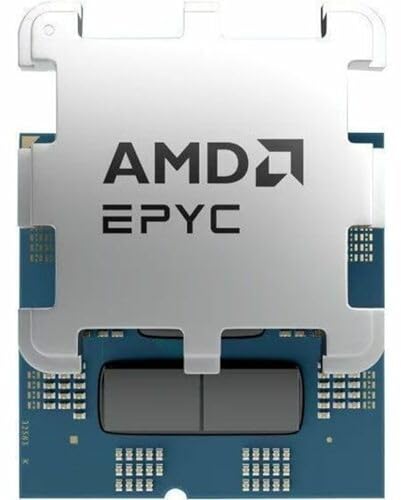
AMD EPYC 4005 4545P Hexadeca-core (16 Core) 3 GHz Processor – Box
The processor features Socket AM5 socket for installation on the PCB
As an affiliate, we earn on qualifying purchases.
As an affiliate, we earn on qualifying purchases.
Background
In 2025, AMD made notable gains in client and server CPU markets, with record revenue shares and unit growth. The company’s focus on high-performance EPYC processors has contributed to its increasing market presence, especially in cloud and enterprise sectors. Intel remains dominant in units but faces pressure from AMD’s expanding high-margin offerings.
“AMD’s server CPU revenue share reached 46.2% in Q1 2026, a record high, driven by strong adoption of EPYC processors.”
— Mercury Research
“While Intel still leads in unit sales, AMD’s revenue share indicates a shift towards higher-value, high-core-count server processors.”
— Industry analyst
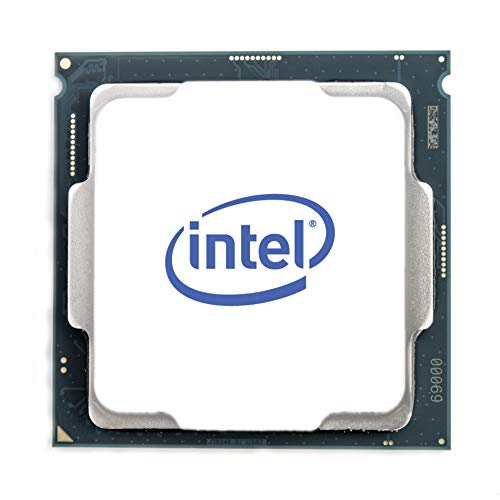
Processor intel core i3-9100 Coffee Lake 3.6Ghz 6mb 1151.
Features frequency 3600 MHz max turbo frequency 4200 MHz quad-core colors cache 4 x 256 kb l2 /…
As an affiliate, we earn on qualifying purchases.
As an affiliate, we earn on qualifying purchases.
What Remains Unclear
It is not yet clear how Intel’s upcoming Nova Lake processors will impact market share in the second half of 2026. The extent of AMD’s continued growth and whether Intel can regain revenue dominance remains uncertain.

EPYC Hexadeca-core 7282 2.8GHz Server Processor
No of CPU Cores : 16
As an affiliate, we earn on qualifying purchases.
As an affiliate, we earn on qualifying purchases.
What’s Next
Next steps include monitoring Intel’s product launches, particularly Nova Lake, and AMD’s continued adoption in cloud and enterprise markets. Market share changes and revenue shifts will become clearer through upcoming quarterly reports.

Hewlett Packard Enterprise HPE ProLiant ML30 Gen10 Plus Tower Server, Xeon E-2314 4-Core 2.8GHz CPU, 32GB DDR4 Memory, 4TB SSD Storage, RAID, iLO
HPE ProLiant ML30 G10 Plus Tower Server, perfect for small businesses and remote offices
As an affiliate, we earn on qualifying purchases.
As an affiliate, we earn on qualifying purchases.
Key Questions
It indicates AMD is capturing a growing portion of high-margin server revenue, signaling increased competitiveness despite still trailing in unit sales.
Intel’s processors tend to have lower average selling prices, and AMD’s high-core-count EPYC processors command premium prices, which boosts AMD’s revenue share despite lower unit volume.
Market share could increase if AMD continues its growth in cloud and enterprise sectors, especially with new EPYC processor launches; however, Intel’s upcoming products could challenge this trend.