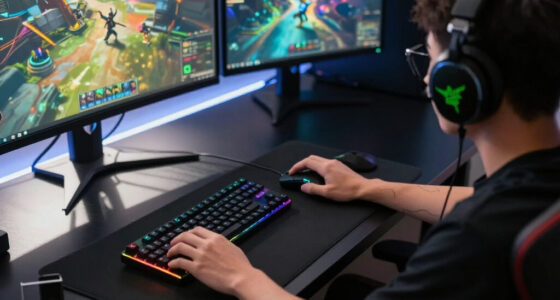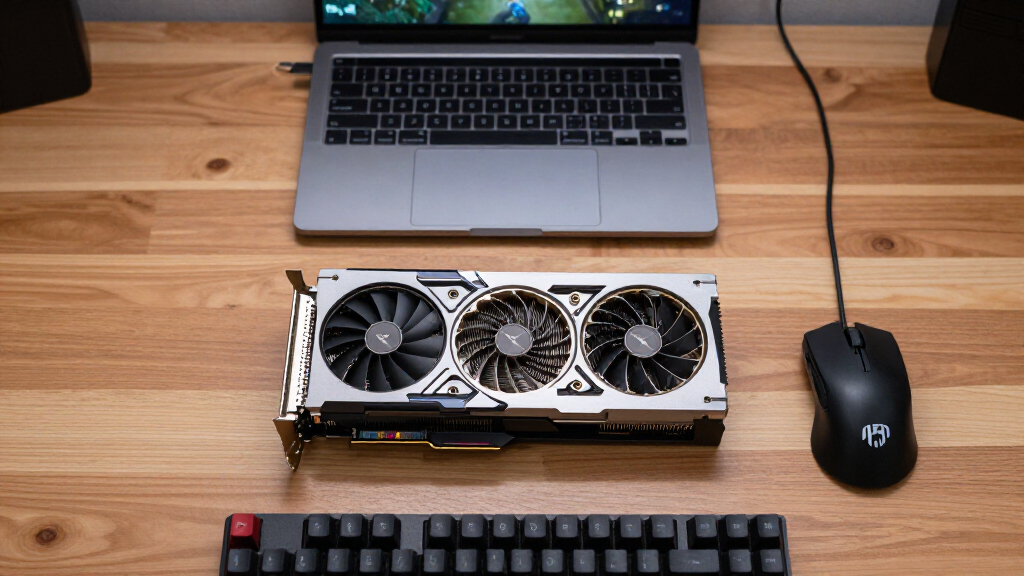

When searching for the best graphics cards in 2026, the options can be overwhelming. The top pick, the ASUS TUF Gaming NVIDIA GeForce RTX 5080 16GB GDDR7 OC Edition, offers cutting-edge performance for demanding gamers and creators. For a more budget-friendly yet capable choice, the ASUS Dual NVIDIA GeForce RTX 3050 6GB GDDR6 OC Edition provides good entry-level performance. The main tradeoffs across this category involve balancing raw power against price, energy efficiency, and feature sets. Continue reading for a detailed breakdown of these options based on performance, value, and usability.
Complete the kit



Key Takeaways
- High-end cards like the ASUS TUF Gaming GeForce RTX 5080 deliver exceptional performance but come at a premium price.
- The latest generation GPUs, such as the RTX 5070 Ti and RTX 5060 Ti, provide improved efficiency and features over previous models.
- Budget options like the RTX 3050 still handle modern games well but lack the raw power for intensive creative workloads.
- AMD alternatives like the ASUS Dual Radeon RX 9060 XT and ASUS Prime RX 9070 XT are strong contenders in mid-range and premium segments.
- Power consumption and size vary greatly; choose a card that fits your case and cooling capacity for optimal performance.
| ASUS TUF Gaming NVIDIA GeForce RTX 3080 V2 OC Edition Graphics Card |  | Best Overall | GPU Model: NVIDIA GeForce RTX 3080 V2 OC | Memory: 10GB GDDR6X | Interface: PCIe 4.0 | VIEW LATEST PRICE | See Our Full Breakdown |
| ASUS Dual NVIDIA GeForce RTX 3050 6GB GDDR6 OC Edition Gaming Graphics Card |  | Best for Beginners | GPU: NVIDIA GeForce RTX 3050 | Memory: 6GB GDDR6 | Interface: PCIe 4.0 | VIEW LATEST PRICE | See Our Full Breakdown |
| GIGABYTE GeForce RTX 5070 Ti Gaming OC 16G Graphics Card |  | Best High-End Midrange | Memory: 16GB GDDR7 | Memory Interface: 256-bit | Architecture: NVIDIA Blackwell | VIEW LATEST PRICE | See Our Full Breakdown |
| ASUS Dual Radeon RX 9060 XT 16GB GDDR6 Graphics Card |  | Best AMD Option | GPU Model: Radeon RX 9060 XT | Memory: 16GB GDDR6 | Interface: PCIe 5.0 | VIEW LATEST PRICE | See Our Full Breakdown |
| ASUS Dual NVIDIA GeForce RTX 5060 Ti 16GB GDDR7 OC Edition Graphics Card |  | Best Value High-Performance | GPU Architecture: NVIDIA Blackwell | Memory: 16GB GDDR7 | OC Mode Clock: 2632 MHz | VIEW LATEST PRICE | See Our Full Breakdown |
| ASUS TUF Gaming NVIDIA GeForce RTX 4070 Ti Super OC Edition Graphics Card |  | Best Overall High-Performance GPU | GPU: NVIDIA GeForce RTX 4070 Ti | Architecture: Ada Lovelace | Memory: 16GB GDDR6X | VIEW LATEST PRICE | See Our Full Breakdown |
| GIGABYTE GeForce RTX 5080 Gaming OC 16G Graphics Card |  | Best for Cutting-Edge Performance | Architecture: NVIDIA Blackwell | Model: RTX 5080 | Memory: 16GB GDDR7 | VIEW LATEST PRICE | See Our Full Breakdown |
| ASUS TUF Gaming NVIDIA GeForce RTX 5070 12GB GDDR7 OC Edition Graphics Card |  | Best for Durability and Reliability | GPU Architecture: NVIDIA Blackwell | Memory: 12GB GDDR7 | Interface: PCIe 5.0 | VIEW LATEST PRICE | See Our Full Breakdown |
| GIGABYTE GeForce RTX 5060 WINDFORCE OC 8G Graphics Card |  | Best Budget-Friendly High-Performance Card | Memory: 8GB GDDR7 | Memory Interface: 128-bit | Architecture: NVIDIA Blackwell | VIEW LATEST PRICE | See Our Full Breakdown |
| ASUS Prime AMD Radeon RX 9070 XT 16GB GDDR6 OC Edition Graphics Card |  | Best for AMD Enthusiasts and Quiet Operation | GPU Model: Radeon RX 9070 XT | Memory: 16GB GDDR6 | Design: 2.5-slot | VIEW LATEST PRICE | See Our Full Breakdown |
| GIGABYTE Radeon RX 9070 XT Gaming OC 16G Graphics Card |  | Best High-End Radeon GPU for Enthusiasts | GPU: Radeon RX 9070 XT | Memory: 16GB GDDR6 | Interface: PCIe 5.0 | VIEW LATEST PRICE | See Our Full Breakdown |
| ASUS ROG Strix NVIDIA GeForce RTX 4070 Ti OC Edition Gaming Graphics Card |  | Best High-Performance NVIDIA Card with Ray Tracing | GPU Model: NVIDIA GeForce RTX 4070 Ti | Memory: 12GB GDDR6X | Architecture: Ada Lovelace | VIEW LATEST PRICE | See Our Full Breakdown |
| ASRock AMD Radeon RX 7700 XT Challenger 12GB GDDR6 Graphics Card |  | Best Value Radeon for Gaming and Content Creation | GPU Architecture: AMD RDNA 3 | Compute Units: 54 | Boost Clock: 2584 MHz | VIEW LATEST PRICE | See Our Full Breakdown |
| ASUS Dual NVIDIA GeForce RTX 5060 8GB GDDR7 OC Edition |  | Best Budget NVIDIA Card with Advanced Cooling | Memory: 8GB GDDR7 | Architecture: NVIDIA Blackwell | Clock Speed: 2565 MHz (OC), 2535 MHz (Default) | VIEW LATEST PRICE | See Our Full Breakdown |
| ASUS TUF Gaming GeForce RTX 5080 16GB GDDR7 OC Edition Graphics Card | 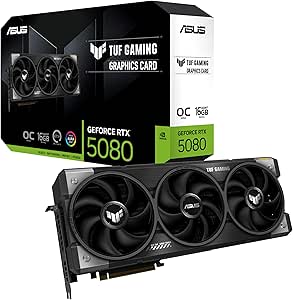 | Best Durable High-End NVIDIA Card | Architecture: NVIDIA Blackwell | Memory: 16GB GDDR7 | Design: 3.6-slot, fin array | VIEW LATEST PRICE | See Our Full Breakdown |
| graphics card | Memory |
|---|---|
| ASUS TUF Gaming NVIDIA GeForce | 10GB GDDR6X |
| ASUS Dual NVIDIA GeForce RTX 3 | 6GB GDDR6 |
| GIGABYTE GeForce RTX 5070 Ti G | 16GB GDDR7 |
| ASUS Dual Radeon RX 9060 XT 16 | 16GB GDDR6 |
| ASUS Dual NVIDIA GeForce RTX 5 | 16GB GDDR7 |
| ASUS TUF Gaming NVIDIA GeForce | 16GB GDDR6X |
| GIGABYTE GeForce RTX 5080 Gami | 16GB GDDR7 |
| ASUS TUF Gaming NVIDIA GeForce | 12GB GDDR7 |
| GIGABYTE GeForce RTX 5060 WIND | 8GB GDDR7 |
| ASUS Prime AMD Radeon RX 9070 | 16GB GDDR6 |
| GIGABYTE Radeon RX 9070 XT Gam | 16GB GDDR6 |
| ASUS ROG Strix NVIDIA GeForce | 12GB GDDR6X |
| ASRock AMD Radeon RX 7700 XT C | 12GB GDDR6 |
| ASUS Dual NVIDIA GeForce RTX 5 | 8GB GDDR7 |
| ASUS TUF Gaming GeForce RTX 50 | 16GB GDDR7 |
More Details on Our Top Picks
ASUS TUF Gaming NVIDIA GeForce RTX 3080 V2 OC Edition Graphics Card
The ASUS TUF Gaming RTX 3080 V2 OC Edition stands out as the top choice for gamers seeking high-end performance with a focus on immersive visuals. Its advanced Ampere architecture delivers exceptional ray tracing and DLSS support, outperforming many in its class, including the RTX 3050. The OC capabilities push clock speeds up to 1815 MHz, offering noticeable gains in demanding titles. Its robust cooling system with dual ball bearing fans ensures thermal stability, but this comes with increased power consumption and a premium price. The LHR design limits mining potential, which might be a concern for some users. Compared to the RTX 5070 Ti, this card offers more mature driver support and broader availability, though at a higher cost.
Pros:- Exceptional performance with high boost clock (1815 MHz OC)
- Advanced ray tracing and DLSS capabilities for immersive visuals
- Reliable cooling with dual ball bearing fans
Cons:- High power consumption may require a robust PSU
- Premium price point limits accessibility for some users
- LHR restricts mining performance
Best for: High-end gamers and content creators demanding top-tier 4K performance and ray tracing.
Not ideal for: Budget-conscious buyers or those with limited power supply capacity, due to its high power draw and price.
- GPU Model:NVIDIA GeForce RTX 3080 V2 OC
- Memory:10GB GDDR6X
- Interface:PCIe 4.0
- Boost Clock:1815 MHz (OC mode)
- Features:LHR, HDMI 2.1, DisplayPort 1.4a
- Cooling:Dual Ball Fan Bearings
Our verdict“This card is perfect for gamers and creators who prioritize raw performance and can handle its premium price and power needs.”
ASUS Dual NVIDIA GeForce RTX 3050 6GB GDDR6 OC Edition Gaming Graphics Card
The ASUS Dual RTX 3050 OC Edition offers a balanced entry point into NVIDIA’s latest architecture, making it ideal for new gamers or those upgrading from integrated graphics. Its 6GB VRAM suits most modern titles at 1080p, but falls short for demanding AAA games at higher settings—unlike the RTX 3080. The compact 2-slot design enhances compatibility with smaller cases, and the axial-tech fan ensures effective cooling. However, the limited VRAM could bottleneck performance in future titles, and factory overclocking is minimal beyond the OC profile. Compared to the RTX 5070 Ti, it’s a more affordable choice but less capable for intensive tasks.
Pros:- Efficient cooling with axial-tech fan design
- Compact 2-slot form factor for versatile builds
- Enhanced ray-tracing and AI features
Cons:- Limited to 6GB VRAM, restricting high-end gaming
- No significant factory overclock beyond OC profile
- Potentially higher price for OC version
Best for: Casual gamers or PC builders seeking a straightforward, reliable upgrade for 1080p gaming.
Not ideal for: Enthusiasts aiming for ultra settings or high-resolution gaming, due to VRAM limitations and performance ceilings.
- GPU:NVIDIA GeForce RTX 3050
- Memory:6GB GDDR6
- Interface:PCIe 4.0
- HDMI:2.1
- Design:2-Slot, Axial-tech Fan
- Warranty:3 years
Our verdict“This card is a solid choice for budget-conscious gamers who prioritize ease of fit and straightforward performance at 1080p.”
GIGABYTE GeForce RTX 5070 Ti Gaming OC 16G Graphics Card
The GIGABYTE RTX 5070 Ti Gaming OC leverages NVIDIA’s Blackwell architecture paired with 16GB of GDDR7 memory, making it an appealing upgrade for gamers seeking high performance without the premium of flagship models. Its DLSS 4 support and PCIe 5.0 compatibility enable faster, more efficient gaming and data transfer. The WINDFORCE cooling system keeps thermals in check during extended play, but such power and performance come with increased power requirements and a bulkier size that might not fit smaller cases. Compared to the RTX 3080, it offers comparable features at a potentially lower price point but still demands a robust power supply.
Pros:- Large 16GB GDDR7 memory for demanding games and multitasking
- DLSS 4 and PCIe 5.0 for next-generation performance
- Efficient WINDFORCE cooling for thermal stability
Cons:- High power consumption requiring a strong PSU
- Large physical size may restrict smaller cases
- Price may still be hefty for some budgets
Best for: Enthusiasts who want high-quality 1440p or 4K gaming with future-proof features and ample VRAM.
Not ideal for: Budget builds or users with limited space, since its size and power consumption are significant considerations.
- Memory:16GB GDDR7
- Memory Interface:256-bit
- Architecture:NVIDIA Blackwell
- DLSS:4
- PCIe:5.0
- Cooling System:WINDFORCE
Our verdict“This GPU offers a compelling blend of high VRAM and future-ready features for serious gaming and content creation, provided your build can accommodate its size and power needs.”
ASUS Dual Radeon RX 9060 XT 16GB GDDR6 Graphics Card
The ASUS Dual Radeon RX 9060 XT provides a capable AMD alternative with a focus on quiet, efficient operation. Its axial-tech fans with longer blades and barrier ring improve airflow, supporting the 16GB GDDR6 VRAM suitable for high-res gaming and creative workloads. The dual BIOS feature offers flexibility between performance and quiet modes, appealing for varied use cases. The 2.5-slot design enhances compatibility, but the absence of detailed benchmarks leaves performance comparisons vague, especially when pitted against NVIDIA options like the RTX 5060 Ti. Its PCIe 5.0 support future-proofs data transfer, but the overall value depends on pricing and availability.
Pros:- Efficient axial-tech fan design for cooling
- Quiet operation with 0dB technology
- Dual BIOS for customizable performance
Cons:- Limited info on power requirements and benchmarks
- Large size may complicate smaller builds
- Pricing and availability factors could impact value
Best for: AMD loyalists or builders seeking a quiet, high-capacity card for 1440p or 4K gaming with good thermal performance.
Not ideal for: Users who prioritize raw NVIDIA-optimized features or need detailed performance metrics for benchmarking.
- GPU Model:Radeon RX 9060 XT
- Memory:16GB GDDR6
- Interface:PCIe 5.0
- Display Outputs:HDMI 2.1b, DisplayPort 2.1a
- Design:2.5-Slot
- Cooling:Axial-tech fans, 0dB
Our verdict“This AMD-based GPU suits builders prioritizing quiet operation and high VRAM, especially in larger cases, but needs clearer performance data for full confidence.”
ASUS Dual NVIDIA GeForce RTX 5060 Ti 16GB GDDR7 OC Edition Graphics Card
The ASUS RTX 5060 Ti OC Edition packs NVIDIA’s Blackwell architecture with 16GB of GDDR7, making it a compelling choice for gamers aiming for high AI performance and future compatibility. Its OC mode boosts clock speeds to 2632 MHz, offering strong performance in both gaming and AI workloads, with support for DLSS 4 and PCIe 5.0. The axial-tech fans with 0dB technology provide efficient cooling and quiet operation, but the high power draw could be a drawback for budget builds. Compared to the RTX 3050, it offers much better gaming capacity and AI performance, but at a higher cost, making it more suitable for serious gamers or prosumers.
Pros:- High AI TOPS performance with 767 TOPS
- Efficient cooling with axial-tech fan design
- Supports PCIe 5.0 and latest display standards
Cons:- High power consumption requiring strong PSU
- Limited information on pricing and availability
- Potentially high cost relative to budget builds
Best for: Gamers and AI enthusiasts seeking high performance at a more accessible price point than flagship models.
Not ideal for: Budget systems or users with limited power supplies, given its high power consumption and premium features.
- GPU Architecture:NVIDIA Blackwell
- Memory:16GB GDDR7
- OC Mode Clock:2632 MHz
- Default Mode Clock:2602 MHz
- Interface:PCIe 5.0
- Features:DLSS 4, HDMI 2.1b, DisplayPort 2.1b
Our verdict“This GPU offers impressive AI and gaming performance for enthusiasts willing to invest in a high-spec build and robust power setup.”
ASUS TUF Gaming NVIDIA GeForce RTX 4070 Ti Super OC Edition Graphics Card
This model stands out for combining impressive gaming capabilities with demanding graphics tasks, thanks to NVIDIA’s Ada Lovelace architecture and DLSS3 support. Compared to the RTX 5080, it offers a more balanced power consumption and cost, though it still commands a premium price. The 16GB GDDR6X memory ensures smooth performance in high-resolution gaming and creative workflows. Its enhanced axial-tech fans improve airflow, making it a solid choice for enthusiasts. However, the high power draw and cost may deter budget-conscious buyers. This pick makes the most sense for gamers and creators needing top-tier performance without stepping into ultra-premium territory.
Pros:- Powerful performance with DLSS3 and ray tracing
- Large 16GB GDDR6X memory supports demanding applications
- Enhanced airflow with scaled-up Axial-tech fans
Cons:- Potentially high power consumption
- Premium price may be costly for some users
Best for: High-end gamers and creative professionals seeking flagship performance
Not ideal for: Budget-conscious users or those with limited power supplies, due to high power requirements and cost
- GPU:NVIDIA GeForce RTX 4070 Ti
- Architecture:Ada Lovelace
- Memory:16GB GDDR6X
- Ray Tracing:Yes, 4th Generation Tensor Cores
- DLSS:DLSS3
- Boost Clock:2670 MHz (OC mode), 2640 MHz (Default)
Our verdict“This card is ideal for enthusiasts who want top-tier gaming and rendering power without paying the ultra-premium price of the RTX 5080.”
GIGABYTE GeForce RTX 5080 Gaming OC 16G Graphics Card
The GIGABYTE RTX 5080 Gaming OC leverages NVIDIA’s Blackwell architecture, offering a leap forward in raw power with 16GB GDDR7 memory and PCIe 5.0 support. It surpasses the RTX 4070 Ti in sheer performance and future-proofing, especially for demanding gaming and professional workloads. Its WINDFORCE cooling system helps manage heat during intensive tasks, but the high-end specs come with a likely high price and power draw. Compared to the RTX 5070, it’s more suited for those who need the longest-lasting high performance. This card is best for users who prioritize top-tier performance and future readiness over budget constraints.
Pros:- Next-generation NVIDIA Blackwell architecture
- Large 16GB GDDR7 memory for demanding applications
- Advanced WINDFORCE cooling system for thermal management
Cons:- Likely very high price point
- High power consumption
Best for: High-end gamers and professionals needing maximum performance and future-proofing
Not ideal for: Casual gamers or budget users, due to its high cost and power demands
- Architecture:NVIDIA Blackwell
- Model:RTX 5080
- Memory:16GB GDDR7
- Memory Interface:256-bit
- PCIe:5.0
- Cooling System:WINDFORCE
Our verdict“This GPU is designed for users who want the ultimate in performance and are willing to invest heavily for it.”
ASUS TUF Gaming NVIDIA GeForce RTX 5070 12GB GDDR7 OC Edition Graphics Card
This model emphasizes durability with military-grade components, making it suitable for long-term use in demanding environments. It incorporates NVIDIA Blackwell architecture and DLSS 4, comparable in performance to the RTX 5080 but at a lower price point. The 12GB GDDR7 memory strikes a balance between performance and cost, while its robust build quality and advanced cooling system ensure longevity. Its 3.125-slot design requires a spacious case, which could be a limitation for smaller builds. Compared to the RTX 5060, it offers more headroom for future games and creative tasks. It’s an excellent choice for users who need a reliable, high-performance GPU with excellent thermal management.
Pros:- Durable military-grade components
- Advanced cooling with axial-tech fans and thermal pad
- Reliable build quality with 3-year warranty
Cons:- Large 3.125-slot size requiring spacious case
- Higher power consumption due to high-end components
Best for: Long-term users and those prioritizing durability in high-performance gaming or creative work
Not ideal for: Compact case owners or users on a strict budget, due to its size and premium features
- GPU Architecture:NVIDIA Blackwell
- Memory:12GB GDDR7
- Interface:PCIe 5.0
- Display Outputs:HDMI/DP 2.1
- Design:3.125-slot, axial-tech fans
- Warranty:3 years
Our verdict“This card is suited for users who want dependable, long-lasting performance with durable construction.”
GIGABYTE GeForce RTX 5060 WINDFORCE OC 8G Graphics Card
The RTX 5060 offers a compelling entry into high-performance gaming with NVIDIA’s Blackwell architecture and DLSS 4 support, making it comparable to the RTX 5070 in many areas. Its 8GB GDDR7 memory and PCIe 5.0 support ensure it handles demanding titles and workflows effectively. The WINDFORCE cooling system keeps thermals in check, though it might not match the thermal efficiency of larger, more premium cards. This model is best suited for gamers who want strong performance without stepping into the highest price tiers. Compared with the RTX 4070 Ti, it sacrifices some raw power but gains affordability. This card makes the most sense for budget-conscious gamers who want good performance without premium costs.
Pros:- Efficient NVIDIA Blackwell architecture
- Supports DLSS 4 and PCIe 5.0
- Effective WINDFORCE cooling
Cons:- Limited details on ports and additional features
- 8GB memory may be insufficient for the most demanding tasks
Best for: Budget-conscious gamers and casual high-performance users
Not ideal for: Power users or those needing extreme performance in professional workflows
- Memory:8GB GDDR7
- Memory Interface:128-bit
- Architecture:NVIDIA Blackwell
- PCIe:5.0
- Cooling System:WINDFORCE
Our verdict“This GPU provides solid performance at a more accessible price point, making it suitable for mainstream gamers.”
ASUS Prime AMD Radeon RX 9070 XT 16GB GDDR6 OC Edition Graphics Card
This Radeon RX 9070 XT from ASUS offers a compelling blend of performance, durability, and quiet operation. Its axial-tech fans and phase-change thermal pad improve cooling, comparable to NVIDIA’s high-end models like the RTX 5080, but at a more accessible price. The dual-ball bearings and 3-year warranty add to its reliability, while the 2.5-slot design enhances compatibility in larger cases. It’s an excellent pick for AMD loyalists or users seeking a balanced, long-lasting GPU with effective thermal management. Compared to NVIDIA’s offerings, it prioritizes quiet operation and durability, though it may lag slightly in raw performance for certain workloads. This GPU is best for users who prioritize stability, longevity, and quiet operation in a high-performance AMD card.
Pros:- Enhanced cooling with axial-tech fans and thermal pad
- Long-lasting dual-ball fan bearings
- Quiet operation with 0dB technology
Cons:- Large 2.5-slot design requiring spacious case
- Potentially higher power consumption
Best for: AMD enthusiasts and users seeking a reliable, quiet, high-performance GPU
Not ideal for: Small form-factor builds or users needing the absolute highest performance in gaming
- GPU Model:Radeon RX 9070 XT
- Memory:16GB GDDR6
- Design:2.5-slot
- Cooling:Axial-tech fans, phase-change thermal pad
- Technology:PCIe 5.0, HDMI/DP 2.1
- Warranty:3 years
Our verdict“This GPU is perfect for users wanting a durable, quiet AMD card with solid performance for gaming and creative tasks.”
GIGABYTE Radeon RX 9070 XT Gaming OC 16G Graphics Card
This graphics card stands out for its powerful Radeon RX 9070 XT GPU paired with 16GB GDDR6 memory, making it ideal for demanding gaming and creative workflows. Compared with the ASUS Radeon RX 9060 XT, the GIGABYTE version offers more memory and a more advanced cooling system, but it requires a high-wattage power supply and a compatible PCIe 5.0 slot. Its WINDFORCE cooling and server-grade thermal gel help keep thermals in check during extended sessions, yet detailed specifications are less transparent than some competitors. This makes it a solid choice for gamers who prioritize raw performance and thermal management, but less so for those with limited power or space.
Pros:- High-performance GPU with 16GB GDDR6 memory
- Advanced cooling with WINDFORCE and thermal gel
- Supports PCIe 5.0 for faster data transfer
- RGB lighting for customizable aesthetics
Cons:- Limited detailed specifications available
- Potentially high power consumption
- Requires a compatible PCIe 5.0 build
Best for: High-end gamers and content creators with compatible high-wattage systems seeking maximum performance.
Not ideal for: Casual gamers or users with limited power supplies, as it demands high wattage and a PCIe 5.0 slot.
- GPU:Radeon RX 9070 XT
- Memory:16GB GDDR6
- Interface:PCIe 5.0
- Cooling System:WINDFORCE
- Lighting:RGB
Our verdict“This card is best suited for enthusiasts who want top-tier Radeon performance and have the system to support it.”
ASUS ROG Strix NVIDIA GeForce RTX 4070 Ti OC Edition Gaming Graphics Card
This model makes the most sense for gamers seeking cutting-edge NVIDIA features like DLSS3 and robust ray tracing, thanks to its Ada Lovelace architecture and 12GB GDDR6X memory. Compared with the ASUS Dual RTX 5060, the 4070 Ti offers significantly higher performance, but its larger 3.15-slot design may require a more spacious case, and the OC mode can increase heat and noise levels. Its axial-tech fans and durable construction add reliability, yet the premium price might be prohibitive for budget-conscious buyers. Overall, this pick is perfect for those aiming for high frame rates with ray tracing enabled, provided their system can accommodate its size and cost.
Pros:- Excellent performance with DLSS3 and ray tracing
- Enhanced airflow via axial-tech fans
- Robust build with diecast shroud and backplate
- Reliable 3-year warranty
Cons:- Large 3.15-slot form factor requiring spacious case
- OC mode can lead to more heat and noise
- Premium price point
Best for: Serious gamers and creative professionals wanting high-end NVIDIA performance with full ray tracing capabilities.
Not ideal for: Budget users or those with small cases, as the card’s size and cost may be restrictive.
- GPU Model:NVIDIA GeForce RTX 4070 Ti
- Memory:12GB GDDR6X
- Architecture:Ada Lovelace
- Ray Tracing:Yes
- DLSS:DLSS 3
- OC Mode:2790 MHz
Our verdict“Ideal for gamers demanding high-end NVIDIA features and willing to invest in a large, premium GPU.”
ASRock AMD Radeon RX 7700 XT Challenger 12GB GDDR6 Graphics Card
The ASRock RX 7700 XT Challenger offers a balanced mix of performance and efficiency, featuring AMD RDNA 3 architecture and 12GB GDDR6 memory. It competes well against the GIGABYTE RX 9070 XT, providing high-resolution support with dual fans and a silent operation mode. Its metal backplate adds durability, but it’s not compatible with all pre-built systems and requires dual 8-pin power connectors, which could be a limitation for some users. Unlike premium options, it balances cost and capability, making it a compelling choice for gamers wanting solid performance without the highest price tag.
Pros:- High-performance gaming and content creation
- Efficient cooling with dual fans and heatpipe
- Supports high-resolution monitors and multiple outputs
- Metal backplate for added durability
Cons:- Not compatible with all pre-built systems
- Requires dual 8-pin power connectors
- Verify specifications before purchase
Best for: Mid-range gamers and content creators with systems supporting AMD RDNA 3 and dual 8-pin power connections.
Not ideal for: Pre-built system users lacking adequate power connectors or those needing compatibility with older PCIe standards.
- GPU Architecture:AMD RDNA 3
- Compute Units:54
- Boost Clock:2584 MHz
- Memory:12GB GDDR6
- Display Outputs:3 x DisplayPort 2.1, 1 x HDMI 2.1
- Cooling:Dual fan with heatpipe
Our verdict“Best suited for users seeking capable AMD performance at a reasonable price point, with system compatibility checked beforehand.”
ASUS Dual NVIDIA GeForce RTX 5060 8GB GDDR7 OC Edition
This card offers a compelling mix of 8GB GDDR7 memory and PCIe 5.0 support, making it a solid choice for gamers who want cutting-edge technology without overspending. Compared to the ASUS TUF RTX 5080, the RTX 5060 OC is more affordable but also less powerful, suitable for 1080p or 1440p gaming rather than ultra-high resolutions. Its axial-tech fans and 3-year warranty add value, but the high clock speeds can lead to increased power consumption and heat generation. It’s an excellent choice for gamers who want current NVIDIA features at a lower price point, assuming system compatibility.
Pros:- Good performance with 8GB GDDR7 memory
- Supports PCIe 5.0 for faster data transfer
- Effective Axial-tech cooling design
- Includes a 3-year warranty
Cons:- Limited detailed review information
- High clock speeds may increase power use and heat
- Less capable for ultra-high resolutions
Best for: Budget-conscious gamers wanting the latest NVIDIA features for mainstream gaming and AI workloads.
Not ideal for: High-resolution or ultra settings gamers, as 8GB GDDR7 may be limiting at very high settings.
- Memory:8GB GDDR7
- Architecture:NVIDIA Blackwell
- Clock Speed:2565 MHz (OC), 2535 MHz (Default)
- Interface:PCIe 5.0
- Cooling:Axial-tech fan design
- Warranty:3 years
Our verdict“Best for gamers seeking current NVIDIA features at an affordable price for mainstream gaming.”
ASUS TUF Gaming GeForce RTX 5080 16GB GDDR7 OC Edition Graphics Card
The ASUS TUF Gaming RTX 5080 OC stands out for its 16GB GDDR7 memory paired with military-grade components and a robust cooling system, making it suitable for heavy gaming and professional workloads. Compared with the ASUS Dual RTX 5060, this model offers significantly more VRAM and durability features, but its large size and premium price may be restrictive for some users. Its thermal management with axial-tech fans and phase-change thermal pad ensures sustained performance during extended heavy loads, making it ideal for users who need reliability and high capacity. Still, its size and cost limit accessibility for casual or compact system builds.
Pros:- High-performance with 16GB GDDR7 memory
- Military-grade components and protective coating
- Advanced cooling with axial-tech fans and phase-change thermal pad
- Designed for heavy workloads and durability
Cons:- Large size requiring ample space
- Premium price point
- May be overkill for casual gaming
Best for: Power users and professionals needing durable, high-capacity graphics for intensive workloads and long-term reliability.
Not ideal for: Users with small cases or limited budgets, as the large form factor and price may be prohibitive.
- Architecture:NVIDIA Blackwell
- Memory:16GB GDDR7
- Design:3.6-slot, fin array
- Cooling:Axial-tech fans with phase-change pad
- Build Quality:Military-grade components
Our verdict“Best suited for demanding users prioritizing durability, high VRAM, and long-term reliability over size and cost.”
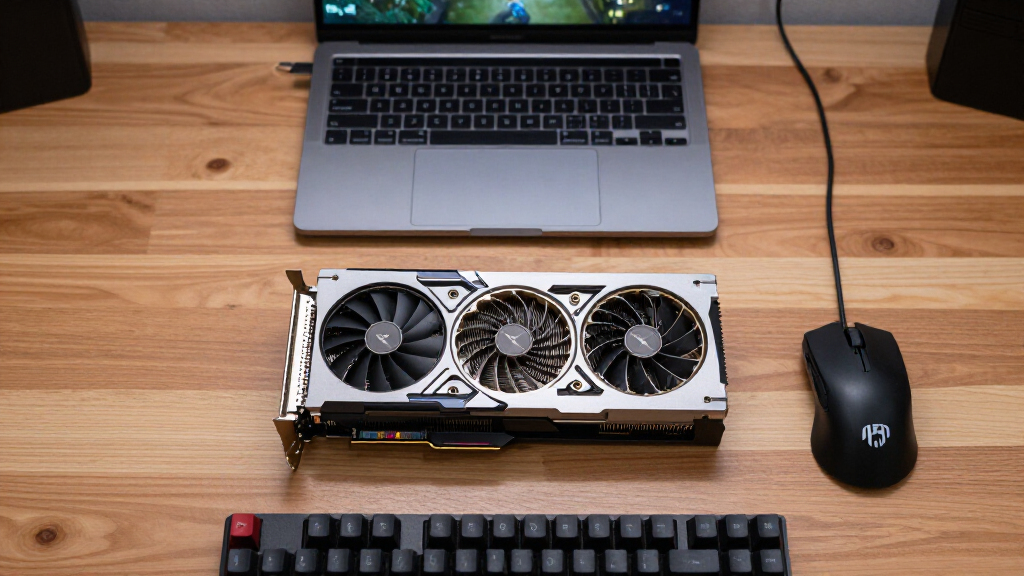
How We Picked
These graphics cards were evaluated based on a combination of performance benchmarks, build quality, feature sets, energy efficiency, and value for the price. We prioritized models that cater to different use cases, from high-end gaming and creative workloads to budget-friendly options. The rankings reflect a balance between raw power, longevity, and real-world usability, ensuring readers get a clear view of which card suits their needs. We also considered user reviews and industry reputation to highlight reliable, well-supported options across various price tiers.Factors to Consider When Choosing Best Graphics Cards
Choosing the right graphics card depends on several key factors that affect your overall experience and investment. Beyond raw power, you should consider compatibility with your system, your specific use case, and future-proofing to avoid frequent upgrades. Understanding these factors helps prevent overspending on excess features or buying a card that underperforms for your needs. Here are the main considerations to keep in mind:Performance and Use Case
Identify what you primarily want to do—gaming, content creation, or professional workloads. High-end cards like the RTX 5080 excel at 4K gaming and demanding creative tasks, but they come with a higher price tag. If your needs are more modest, a mid-range or budget card may suffice, providing better value without unnecessary features. Matching performance to your workload ensures you’re not overspending or underpowered.
System Compatibility
Check your PC’s power supply, case size, and PCIe slot availability. High-performance cards often require substantial power and cooling, so confirm your system can support these demands. Size matters—large cards like the RTX 5080 may not fit in smaller cases. Ensuring compatibility prevents costly returns or upgrades down the line.
VRAM and Future-Proofing
More VRAM helps with higher resolutions and future games. Cards with 12GB or more, such as the RTX 5070 Ti or Radeon RX 9070 XT, are better suited for upcoming titles and creative workflows. However, more VRAM usually means a higher price, so consider your current and future needs to decide how much is enough.
Energy Efficiency and Noise
Energy consumption affects your power bill and cooling needs. Modern cards tend to be more efficient, but high-end models still draw significant power. Noise levels can also vary; quieter cooling solutions are preferable if your PC is in a quiet environment. Balancing performance with efficiency can improve overall satisfaction.
Price and Value
Prices fluctuate based on market conditions, but aim for a model that offers the best performance for your budget. Premium cards provide extra features and longevity but may not be necessary for casual gaming. Conversely, cheap cards may lack the power for demanding titles or creative work, leading to frustration and frequent upgrades.
Frequently Asked Questions
Will a more expensive graphics card significantly improve my gaming experience?
Generally, yes. Higher-end cards like the RTX 5080 or RTX 4070 Ti provide smoother frame rates at higher settings and resolutions, which enhances gameplay quality. However, the impact depends on your monitor’s refresh rate and your system’s CPU. If you’re gaming at 1080p on a 60Hz monitor, a high-end card may offer diminishing returns compared to a mid-range option.
Is it worth upgrading my current graphics card to the latest generation?
Upgrading can be worthwhile if your current card struggles with current games or creative applications. Newer models often offer better efficiency, support for latest technologies like ray tracing, and improved VRAM. However, consider your overall system compatibility and whether your monitor’s resolution and refresh rate will benefit from the upgrade to justify the expense.
How do I know if a graphics card will fit in my PC case?
Check your case’s maximum GPU length and width specifications, usually listed in the manual. High-end cards like the RTX 5080 are often large and require ample space and airflow. Measure your current card or consult your case’s specs before purchasing. Proper fitting ensures cooling performance and prevents installation headaches.
Are AMD graphics cards competitive with NVIDIA options?
Yes, AMD’s latest offerings like the Radeon RX 9070 XT are strong competitors, often matching NVIDIA’s performance at similar price points. They also support features like ray tracing and have their own advantages, such as different driver ecosystems and sometimes better value in certain segments. Your choice may depend on software compatibility and personal preference.
Should I prioritize VRAM over raw performance?
VRAM is critical for high-resolution gaming and professional workloads involving large files or textures. For gaming at 1080p, 8GB to 12GB is typically sufficient, but for 4K or creative tasks, 16GB or more offers better future-proofing. However, higher VRAM alone doesn’t guarantee better performance; it must be paired with a powerful GPU for optimal results.
Conclusion
For gamers seeking absolute performance and future-proofing, the ASUS TUF Gaming GeForce RTX 5080 16GB GDDR7 OC Edition makes the most sense. Budget-conscious buyers or casual gamers should consider the ASUS Dual NVIDIA GeForce RTX 3050, which balances cost and capability. Creative professionals will benefit from higher VRAM options like the RTX 5070 Ti or Radeon RX 9070 XT, offering both power and longevity. Beginners or those upgrading from integrated graphics will find the entry-level options sufficient, while enthusiasts aiming for maximum performance should look toward premium models like the RTX 5080 or ROG Strix variants. Your choice depends largely on your specific needs, system capacity, and budget, but this roundup provides a clear guide to making an informed decision.