If you’re looking for the top MacBook Pros for data science and AI in 2025, I recommend models with the latest M4 Max and M5 chips, offering powerful multi-core CPUs and GPU performance. The 14.2-inch Liquid Retina XDR display is ideal for visualization, while options with up to 128GB memory and 8TB SSD handle large datasets effortlessly. Portability and connectivity are also key. Keep exploring to discover which model suits your professional needs best.
Key Takeaways
- Top models feature the latest M4 Max and M5 chips, offering exceptional multi-core and GPU performance for AI and data science workloads.
- 14.2-inch and 16.2-inch Liquid Retina XDR displays provide vibrant visuals, high contrast, and accurate color crucial for data visualization.
- Up to 128GB RAM and high-speed SSD storage ensure smooth handling of large datasets and intensive multitasking.
- Extended battery life, with the M5 MacBook Pro capable of 24+ hours, supports prolonged AI model training and data analysis sessions.
- Connectivity options like Thunderbolt 5, HDMI, and SDXC facilitate external GPU use, data transfer, and multi-monitor setups for demanding workflows.
Apple 2024 MacBook Pro Laptop with M4 Pro

If you’re looking for a MacBook Pro that can handle demanding data science and AI tasks, the 2024 model with the M4 Pro chip is an excellent choice. It features a 14-core CPU and a 20-core GPU, providing powerful processing for intensive workloads like coding and data analysis. The M4 Pro manages multitasking smoothly, ensuring your projects run seamlessly. Its robust performance makes it ideal for professionals who need reliable, high-speed computing. Whether you’re compiling complex models or running heavy algorithms, this MacBook Pro offers the speed and efficiency required for advanced data science and AI work.
Best For: professionals engaged in demanding data science, AI development, and intensive computational tasks seeking a powerful, portable MacBook Pro.
Pros:
- Exceptional processing power with M4 Pro chip, ideal for multitasking and complex workloads
- Stunning 16.2-inch Liquid Retina XDR display with vivid colors and high brightness
- Seamless integration with macOS-compatible apps and other Apple devices for a smooth workflow
Cons:
- High cost may be prohibitive for some users
- Limited storage options starting at 512GB SSD, which could be insufficient for large data projects
- The premium design, while durable, might be less customizable or upgradeable over time
Apple 2024 MacBook Pro Laptop with M4 Max

The Apple 2024 MacBook Pro with M4 Max is an outstanding choice for data scientists and AI professionals who demand top-tier performance. Powered by the M4 Max chip with a 14-core CPU and 32-core GPU, it handles demanding tasks like coding, 3D rendering, and complex workflows with ease. The 14.2-inch Liquid Retina XDR display offers stunning visuals, while 36GB of unified memory and 1TB SSD ensure fast, smooth operation. With all-day battery life and seamless integration within the Apple ecosystem, this model boosts productivity and creativity. Plus, AppleCare+ provides reliable support, making it a powerhouse for data-driven professionals.
Best For: data scientists, AI professionals, and creative developers seeking powerful performance and seamless Apple ecosystem integration.
Pros:
- Exceptional processing power with M4 Max chip, ideal for demanding tasks like 3D rendering and coding
- Stunning 14.2-inch Liquid Retina XDR display for vibrant visuals and accurate color representation
- Long battery life and reliable support through AppleCare+ for extended productivity
Cons:
- High price point may be a barrier for some users
- Heavy and potentially less portable compared to smaller laptops
- Limited upgradeability due to integrated hardware design
Apple 2024 MacBook Pro Laptop with M4 Max

For data scientists and AI professionals seeking top-tier performance, the 2024 MacBook Pro with M4 Max stands out with its groundbreaking hardware capabilities. It features a powerful 14-core CPU, a 32-core GPU, and a 16-core Neural Engine, enabling lightning-fast processing for complex workflows. With up to 128GB of unified memory and a 1TB SSD (expandable to 8TB), it handles large datasets and demanding tasks effortlessly. The Liquid Retina XDR display offers stunning visuals with HDR support and a 120Hz refresh rate. Overall, this MacBook Pro delivers exceptional speed, efficiency, and display clarity—perfect for advanced data science and AI applications.
Best For: data scientists, AI professionals, and creative workflows requiring high performance and advanced visuals.
Pros:
- Exceptional processing power with M4 Max chip, 14-core CPU, and 32-core GPU for demanding tasks.
- Up to 128GB of unified memory and expandable SSD storage support large datasets and complex projects.
- Stunning Liquid Retina XDR display with HDR, 120Hz refresh rate, and external display support for professional visuals.
Cons:
- High cost may be prohibitive for casual users or those with lighter computing needs.
- Limited upgradeability post-purchase due to integrated components.
- Shorter battery life compared to less powerful models when running intensive workflows.
Apple MacBook Pro 2025 Laptop with M5 Chip
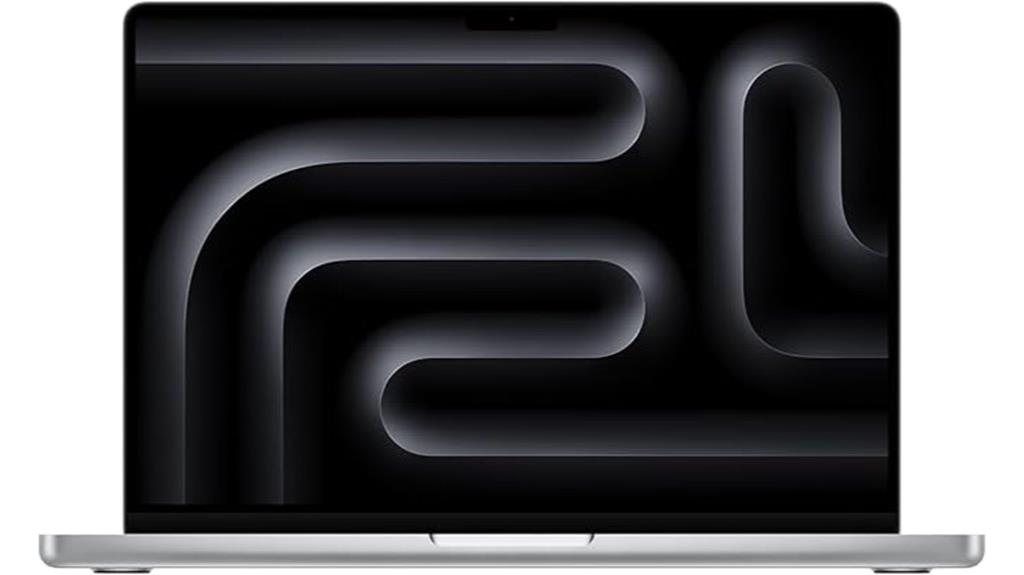
Designed to handle demanding data science and AI workloads, the 2025 MacBook Pro with M5 chip stands out with its powerful 10-core CPU and GPU, making multitasking and complex computations faster than ever. It features a 10-core CPU with 4 performance cores and 6 efficiency cores, complemented by a 10-core GPU and Neural Accelerators. With 16GB of unified memory and 1TB SSD, it guarantees rapid data access and smooth workflows. The Liquid Retina XDR display offers vibrant visuals, while hardware-accelerated media engines support high-quality encoding and decoding. This combination delivers exceptional performance for AI, creative, and professional tasks, all in a sleek and portable design.
Best For: creative professionals, data scientists, and power users seeking a high-performance, portable laptop for demanding workflows and AI workloads.
Pros:
- Exceptional processing power with a 10-core CPU and GPU tailored for multitasking and complex computations.
- Stunning Liquid Retina XDR display with high brightness, contrast, and color accuracy ideal for content creation.
- Long battery life of up to 24 hours supports extended work sessions without frequent charging.
Cons:
- Premium price point may be a barrier for budget-conscious users.
- Limited upgrade options due to integrated components and fixed storage.
- Heavier than some ultrabooks, which may affect portability for some users.
Apple MacBook Pro 2024 with M4 Pro, 14.2-inch Liquid Retina XDR Display
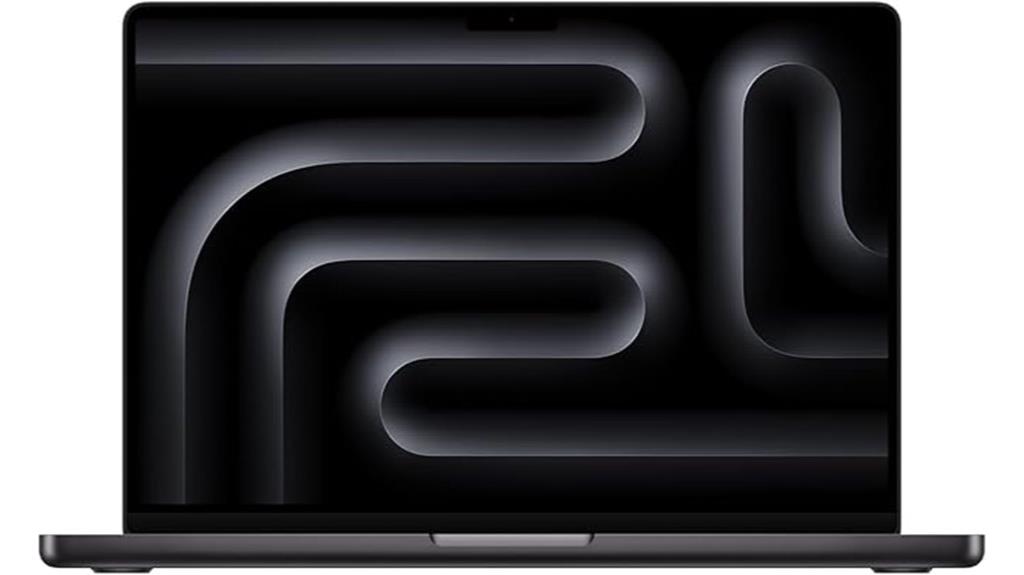
Looking for a powerful laptop that can handle demanding data science and AI tasks with ease? The Apple MacBook Pro 2024 with M4 Pro is exactly that. It features a 14.2-inch Liquid Retina XDR display with stunning brightness and color accuracy. Powered by the M4 Pro chip, it easily manages complex workflows like compiling millions of lines of code, while the M4 Max variant handles intensive 3D rendering. With 24GB of unified memory and a 512GB SSD, performance remains lightning-fast. Plus, its all-day battery life and advanced privacy protections make it an ideal choice for professionals seeking power, portability, and security in one sleek package.
Best For: professionals and power users who need a high-performance, portable laptop capable of handling demanding data science, AI, and creative workflows with excellent display quality and security.
Pros:
- Exceptional processing power with M4 Pro and M4 Max chips suitable for complex tasks
- Stunning 14.2-inch Liquid Retina XDR display with high brightness and color accuracy
- All-day battery life combined with advanced privacy protections
Cons:
- Premium price point may be steep for some users
- Limited 512GB SSD storage might require external solutions for large datasets
- Heavy reliance on macOS and Apple Silicon may limit compatibility with some third-party software
Apple MacBook Pro 2025 Laptop with M5 Chip
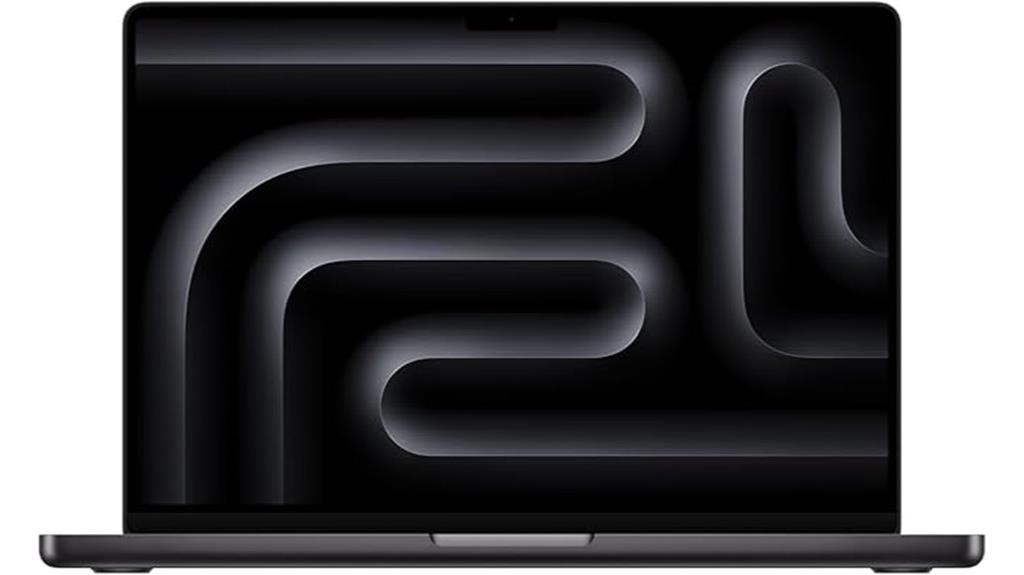
If you’re seeking a powerhouse laptop that can handle demanding data science and AI workloads in 2025, the Apple MacBook Pro with the M5 chip stands out. It features a 10-core CPU, 10-core GPU, and Neural Accelerator, delivering exceptional AI performance and faster workloads. With 16GB of unified memory and a 512GB SSD, it offers next-generation speed and seamless multitasking. The 14.2-inch Liquid Retina XDR display provides stunning visuals with up to 1600 nits brightness and a 1,000,000:1 contrast ratio. Its all-day battery life, combined with extensive connectivity options and smooth integration into the Apple ecosystem, makes it an ideal choice for professionals.
Best For: professionals and creatives who need a powerful, portable laptop with exceptional AI performance, stunning visuals, and seamless Apple ecosystem integration.
Pros:
- Exceptional AI and processing power with M5 chip’s 10-core CPU and GPU
- Stunning 14.2-inch Liquid Retina XDR display with high brightness and contrast
- Extensive connectivity options including Thunderbolt 4, HDMI, SDXC slot, and MagSafe
Cons:
- Premium price point may be a barrier for some users
- Limited upgradeability with 16GB RAM and 512GB SSD fixed at purchase
- Heavily reliant on Apple ecosystem, less compatible with non-Apple devices
Apple 2024 MacBook Pro with M4 Max Chip, 16-inch, 36GB RAM, 1TB SSD, Silver (Renewed)

The Apple 2024 MacBook Pro with M4 Max chip, 16-inch display, and 36GB RAM stands out as a top choice for data scientists and AI practitioners who need powerful, portable performance. Its Liquid Retina XDR screen offers stunning visuals, while the M4 Max chip guarantees handling complex workflows and large datasets effortlessly. With 36GB of unified RAM and 1TB SSD storage, it supports intensive tasks like data analysis and model training. The device boasts excellent battery life, robust connectivity options, and immersive audio quality. Despite being renewed, it maintains a high customer rating of 4.7 stars, making it a reliable, high-performance option for demanding AI work.
Best For: data scientists and AI practitioners requiring powerful, portable performance for complex workflows and large datasets.
Pros:
- Exceptional processing power with the M4 Max chip and 36GB RAM for demanding tasks
- Stunning Liquid Retina XDR display with high brightness and contrast for visual clarity
- Versatile connectivity options supporting multiple external displays and accessories
Cons:
- Slightly heavier at approximately 4.73 pounds, which may impact portability
- Renewed status might be a concern for some buyers despite high ratings
- Premium price point may not suit budget-conscious users
Apple 2023 MacBook Pro with M3 Max (16-Inch, 36GB RAM, 1TB SSD, Space Black, Renewed)
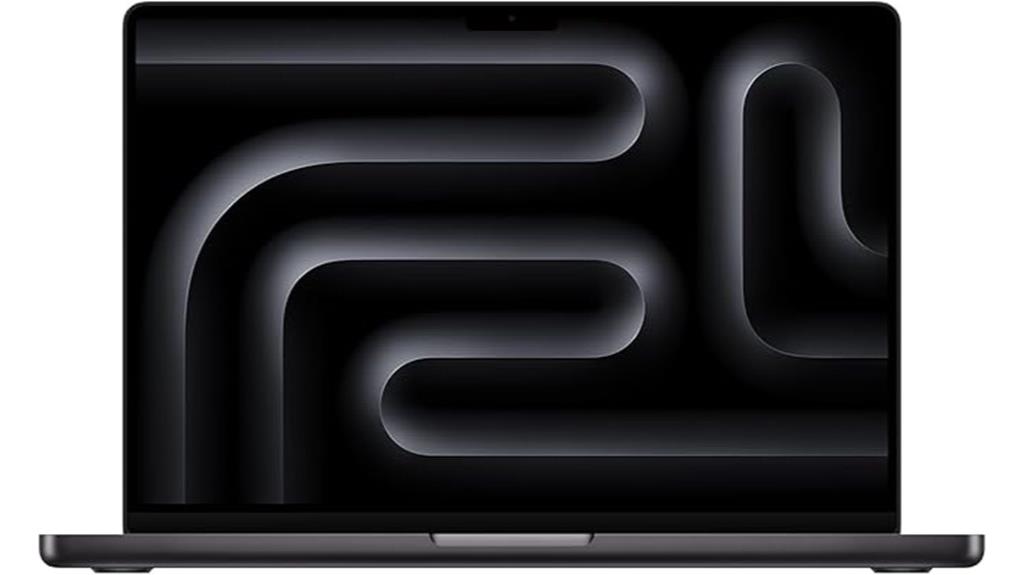
For data scientists and AI practitioners demanding powerful performance at a more accessible price, the Apple 2023 MacBook Pro with M3 Max stands out as an excellent renewed option. It features a 16-inch display, a robust M3 Max chip, and 36GB of RAM, ensuring smooth multitasking and heavy computations. The 1TB SSD provides ample storage for datasets and models. Professionally inspected and tested, it’s in premium condition with over 80% battery capacity. While not Apple certified, it offers reliable performance with fully functional accessories. This MacBook Pro combines power, affordability, and quality, making it a compelling choice for data science and AI work in 2025.
Best For: data scientists and AI practitioners seeking powerful performance in a renewed, cost-effective MacBook Pro.
Pros:
- High-performance M3 Max chip with 36GB RAM for intensive multitasking and computations
- Large 16-inch display with 1TB SSD for ample storage and workspace
- Professionally inspected and tested, ensuring reliable premium condition and over 80% battery capacity
Cons:
- Not Apple certified, which may affect resale or warranty options
- Accessories may not be original, potentially impacting compatibility or aesthetic consistency
- Comes in generic packaging, which might lack the premium unboxing experience
Apple 2025 MacBook Pro Laptop with M5 Chip
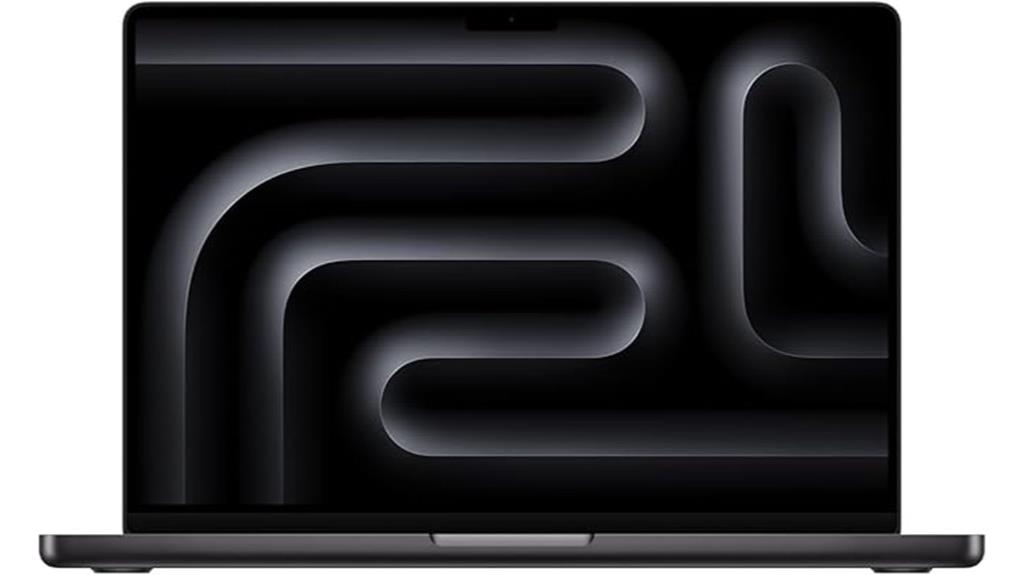
With its powerful M5 chip featuring a 10-core CPU and GPU, the 2025 MacBook Pro is designed to meet the demanding needs of data scientists and AI developers. Its 24GB of unified memory guarantees smooth multitasking and efficient AI processing, while the 14.2-inch Liquid Retina XDR display delivers stunning visuals with high brightness and contrast. The device includes a 1TB SSD for fast storage, all-day battery life, and extensive connectivity options like Thunderbolt 4, HDMI, SDXC, and MagSafe. Seamlessly integrated into the Apple ecosystem, it supports advanced privacy features and optimized macOS performance, making it a versatile powerhouse for professional workloads.
Best For: data scientists, AI developers, and creative professionals seeking a high-performance, portable MacBook with advanced AI capabilities and stunning visuals.
Pros:
- Powerful M5 chip with 10-core CPU and GPU for demanding workloads
- 24GB unified memory ensures smooth multitasking and AI processing
- Stunning 14.2-inch Liquid Retina XDR display with high brightness and contrast
Cons:
- Premium price point may be a barrier for some users
- Limited to two external displays, which might restrict multi-monitor setups for some professionals
- Heavier than some ultrabooks, potentially affecting portability for on-the-go use
Apple 2024 MacBook Pro Laptop with M4 Pro
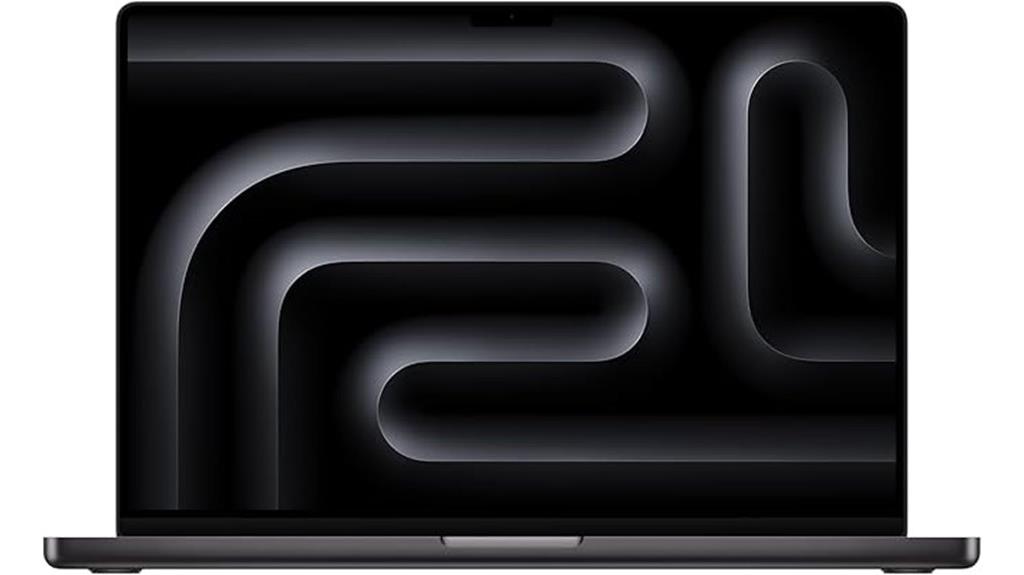
Are you seeking a powerful laptop capable of handling demanding data science and AI workloads? The Apple 2024 MacBook Pro with M4 Pro is an excellent choice. It features a 14-core CPU and 20-core GPU, making it perfect for intensive tasks like coding, rendering, and data analysis. The 16.2-inch Liquid Retina XDR display offers stunning visuals, while the all-day battery life ensures productivity on the go. With 24GB of unified memory and fast SSD storage, multitasking is seamless. Its seamless integration with Apple’s ecosystem and robust connectivity options, including Thunderbolt 5 and HDMI, make this MacBook Pro a versatile, high-performance device for professional workloads.
Best For: professionals and power users in data science, AI development, coding, rendering, and demanding creative workflows seeking a high-performance, portable MacBook Pro.
Pros:
- Exceptional performance with M4 Pro chip, ideal for intensive workloads
- Stunning 16.2-inch Liquid Retina XDR display with high brightness and contrast
- Seamless ecosystem integration and robust connectivity options including Thunderbolt 5 and HDMI
Cons:
- Premium price point may be prohibitive for some users
- Limited storage options starting at 512GB SSD, which might require upgrades for large datasets
- Heavier and larger than ultraportable laptops, impacting portability for some users
Factors to Consider When Choosing a Macbook Pro for Data Science and AI
When selecting a MacBook Pro for data science and AI, I focus on processing power and memory to handle complex tasks efficiently. I also consider graphics performance, display quality, and size to make certain of accuracy and ease of work, along with battery life for long coding sessions. Understanding these factors helps me choose a model that best fits my workflow and project needs.
Processing Power Needs
Choosing a MacBook Pro for data science and AI means prioritizing processing power that can handle demanding tasks efficiently. High-performance tasks like large dataset analysis and complex model training demand multi-core CPUs, such as a 14-core processor, paired with a 20-core GPU like the M4 Pro. These specs ensure smooth handling of intensive workloads. For accelerated AI workflows, hardware-accelerated neural engines and ray tracing capabilities are invaluable—they markedly cut down training and inference times. Adequate memory, ideally 24GB or more, prevents bottlenecks when running multiple models or processing large datasets. Additionally, fast storage options, like 512GB or higher SSDs, are essential for quick data access and overall efficiency. Prioritizing these processing features guarantees your MacBook Pro meets the rigorous demands of data science and AI.
Memory Capacity Requirements
Have you considered how much memory your MacBook Pro needs to keep your data science and AI projects running smoothly? For these demanding tasks, a minimum of 16GB of RAM is essential to handle large datasets and complex computations efficiently. If you’re running multiple AI models or processing extensive data workflows, upgrading to 32GB or more can dramatically boost performance. Large machine learning models, high-resolution datasets, and intensive preprocessing rely heavily on ample memory. Insufficient RAM can slow down your work, increase reliance on virtual memory, and even cause system crashes during heavy analysis. High-memory configurations enable smoother multitasking and faster model training, making them a smart investment for serious data science and AI development. Choosing the right memory capacity is *vital* to *accessing* your MacBook Pro’s full potential.
Graphics Performance Quality
High-quality graphics performance is essential for data science and AI tasks on a MacBook Pro, especially when rendering complex visualizations or training neural networks. A powerful GPU, like a 32-core or higher, can markedly speed up 3D rendering and neural network processing. Hardware-accelerated ray tracing and advanced graphics engines enable the MacBook Pro to handle demanding visual computations with ease. Supporting multiple high-resolution external displays requires robust integrated graphics to maintain performance and clarity. Additionally, a Liquid Retina XDR display with high peak brightness and a wide color gamut ensures accurate, vibrant visuals critical for data analysis and AI workflows. Prioritizing graphics capabilities allows for smoother, more efficient handling of intensive tasks, making it a key factor in choosing the right MacBook Pro.
Display Clarity & Size
A larger display size, like 14.2 inches or more, considerably enhances your ability to visualize complex data and manage multiple windows simultaneously. With more screen real estate, I can analyze detailed datasets and switch between tasks effortlessly. High brightness levels, up to 1600 nits, ensure clear visibility and accurate colors even in bright environments, reducing eye strain. The ultra-high contrast ratio of 1,000,000:1 makes data visuals and graphs stand out sharply, aiding precise interpretation. A high-resolution Liquid Retina XDR display with true color support ensures faithful color reproduction for accurate data analysis and visualization. Plus, ProMotion technology with adaptive refresh rates up to 120Hz delivers smooth visuals, making prolonged work sessions more comfortable and reducing fatigue during intensive data science or AI tasks.
Battery Endurance Duration
When selecting a MacBook Pro for data science or AI work, battery endurance becomes a key consideration. Longer battery life allows me to analyze data and train models without constantly searching for power sources. High-end models with M4 Max or M5 chips can deliver up to 18-24 hours of usage on a single charge, supporting intensive workloads throughout the day. This is especially important for fieldwork or remote tasks where power outlets aren’t always available. Modern MacBook Pros feature efficient energy management and hardware optimization, ensuring consistent performance during prolonged use. A strong battery endurance minimizes interruptions, keeps my workflow seamless, and boosts productivity during demanding data processing or AI experiments. It’s a vital factor for anyone relying on their laptop for extended, high-performance tasks.
Compatibility With Tools
Ensuring your MacBook Pro is compatible with essential data science and AI tools is critical for a smooth workflow. First, check that your macOS version supports the latest software like TensorFlow, PyTorch, and Jupyter Notebooks. Hardware specifications matter too—make sure you have enough RAM and GPU power for accelerated processing. Compatibility with specialized data analysis libraries may require specific hardware features or software dependencies, so verify those before buying. Port options are indispensable; you’ll want USB-C or Thunderbolt ports that can connect to external high-performance GPUs, storage, or data acquisition hardware. Additionally, seamless integration with cloud platforms and services is necessary for managing large datasets and collaborative projects. Staying mindful of these factors ensures your MacBook Pro will support your data science and AI needs efficiently.
Port Availability & Expansion
Choosing a MacBook Pro for data science and AI means paying close attention to port availability and expansion options. I look for models with multiple Thunderbolt 4 or 5 ports to handle high-speed data transfers and external GPUs. It’s vital to have additional options like SDXC card slots and HDMI ports for easy data import and connecting multiple monitors for complex visualization. I also check that the laptop supports enough USB-C or Thunderbolt ports to connect external storage, sensors, and data collection hardware simultaneously. For demanding workflows, I prefer models that support at least two to four external monitors. Ultimately, hardware expansion capabilities, such as SD card slots and HDMI, are essential for accommodating diverse data sources and presentation needs, ensuring the device remains versatile and future-proof.
Device Portability & Weight
Portability and weight are key considerations for anyone working with data science and AI on a MacBook Pro, especially if you’re frequently on the move. Lighter models, around 3 to 4.5 pounds, are easier to carry, making them ideal for fieldwork, travel, or remote work. Thinner designs, often under 0.2 inches thick, enhance portability without sacrificing performance, allowing you to slip the device into backpacks, bags, or briefcases effortlessly. A compact form factor reduces user fatigue during long analysis sessions, boosting your productivity. Choosing a portable MacBook Pro ensures seamless mobility for collaboration, presentations, and remote work environments. If you’re constantly moving, prioritizing lightweight, slim models helps keep your workflow flexible and efficient without added bulk or discomfort.
Frequently Asked Questions
How Do Macbook Pro Models Optimize for Ai-Specific Hardware Acceleration?
MacBook Pro models optimize for AI-specific hardware acceleration by integrating powerful GPUs, like the M2 Pro and M2 Max chips, which include dedicated neural engine cores. These cores speed up AI tasks, allowing me to run machine learning models efficiently. Additionally, the unified memory architecture enhances data transfer speeds, and optimized software frameworks, like TensorFlow and PyTorch, leverage these hardware features for seamless AI and data science workflows.
Are There Any Compatibility Issues With Popular Data Science Software on New Models?
Ever wondered if your favorite data science tools will work seamlessly on new MacBook Pros? Generally, I find most popular software like Python, R, and TensorFlow run smoothly, thanks to macOS’s robust compatibility. However, some niche or GPU-dependent applications might need updates or workarounds. I recommend checking software-specific forums and updates before upgrading. Rest assured, Apple’s latest hardware aims for broad compatibility, making data science tasks more efficient.
How Does Battery Life Impact Extended AI and Data Science Workloads?
Battery life really matters when I’m working on long AI and data science tasks. It determines how long I can run complex models without needing a recharge, which is essential during intensive workloads. When my MacBook’s battery is strong, I stay productive without interruptions. But if it drains quickly, I’m forced to take breaks or find power sources, disrupting my workflow and efficiency.
Can Macbook Pros Handle Large-Scale Data Processing Efficiently?
Yes, MacBook Pros can handle large-scale data processing efficiently, especially the newer models with M1 Max or M2 Pro chips. I’ve found they deliver impressive speed and multitasking capabilities, making them suitable for heavy workloads. The high RAM options and fast SSDs help manage big datasets smoothly. While not as powerful as specialized workstations, they offer a great balance of portability, power, and performance for data science tasks.
What Are the Best Peripherals to Enhance AI Development on Macbook Pros?
For AI development on MacBook Pros, I recommend a high-precision external monitor for better visualization and a reliable external GPU for extra processing power. Pair these with a solid mechanical keyboard and an ergonomic mouse to boost productivity and comfort. While sleek, MacBook Pros need these peripherals to truly unleash their potential, transforming a portable device into a powerhouse for deep data dives and complex AI models.
Conclusion
Choosing the right MacBook Pro is like picking the perfect tool for a master craftsman—it makes all the difference. With the latest M4 and M5 chips leading the charge, these models unleash power and performance that can handle data science and AI workloads with ease. So, whether you’re tackling complex algorithms or training models, these laptops are your trusty sidekicks, ready to turn your ideas into reality with blazing speed and reliability.