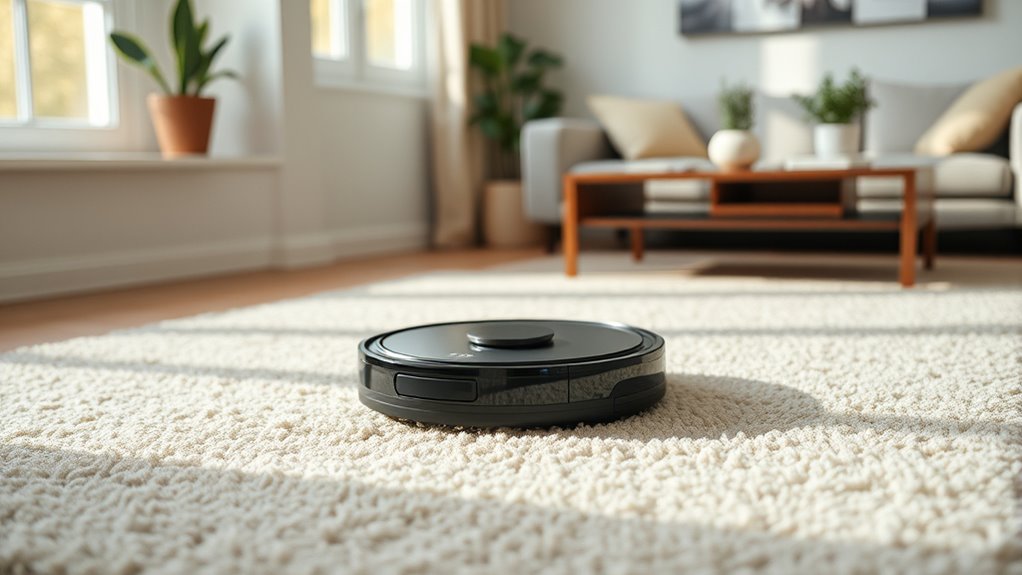

Robot vacuums can be a convenient and efficient way to keep your floors clean, especially with advanced navigation and smart features like app control and scheduling. However, they may struggle with deep carpets or cluttered spaces and require regular maintenance. Their true value depends on your home’s layout and cleaning needs. If you’re curious about whether they fit your lifestyle and how to choose the best model, there’s more to learn below.

Get the latest gadgets delivered free with Prime
- Fast, free delivery on millions of items
- Prime Video, Amazon Music and more included
- Member-only deals all year
Key Takeaways
- Robot vacuums offer efficient, automated cleaning but may struggle with deep carpets or cluttered spaces.
- Advanced navigation and obstacle avoidance improve coverage but vary by model and price.
- Regular maintenance and battery life impact long-term performance and value.
- Smart features like app control and scheduling enhance convenience and usability.
- They are cost-effective over time, reducing manual effort but do not fully replace traditional vacuuming.
Top picks for "truth about robot"
As an affiliate, we earn on qualifying purchases.
How Do Robot Vacuums Work and What Features Do They Offer?
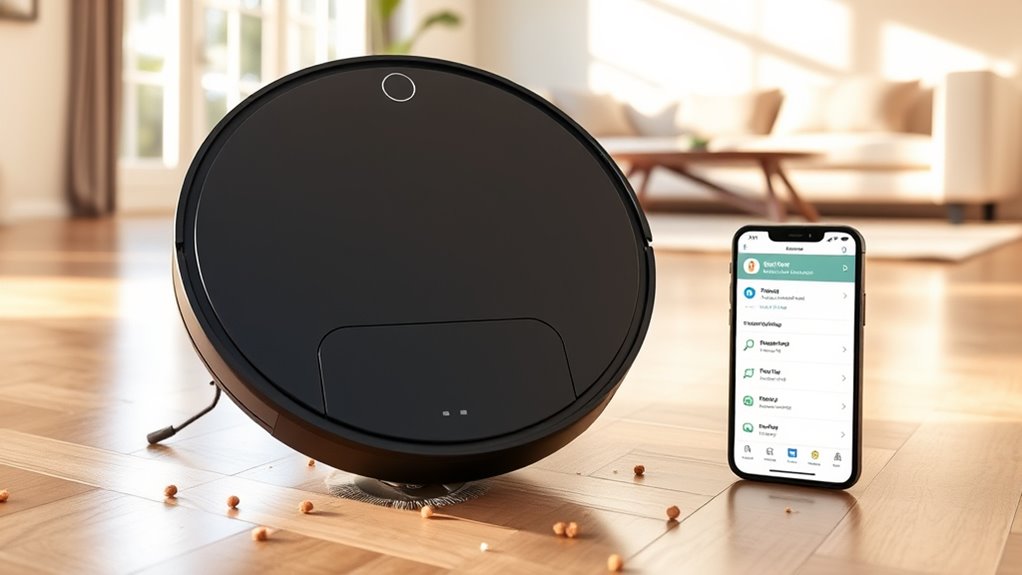
Robot vacuums operate using a combination of sensors, cameras, and mapping technology to navigate your home efficiently. These devices rely on advanced navigation algorithms to plan cleaning routes, ensuring thorough coverage without missing spots. As they move, sensors detect obstacles, stairs, and furniture, helping avoid collisions and falls. Your robot’s battery life determines how long it can clean before needing a recharge; some models offer longer run times for larger spaces. When the battery runs low, the vacuum automatically returns to its charging dock, then resumes cleaning once recharged. This smart system minimizes your effort, making cleaning more convenient. Additionally, energy-efficient operation helps reduce power consumption, aligning with sustainable practices. The integration of navigation algorithms and battery management is vital for effective operation, and some models include smart home connectivity features for remote control and scheduling. Overall, the integration of navigation algorithms and battery management allows robot vacuums to operate effectively, saving you time while maintaining a clean home. Furthermore, battery management systems optimize charging cycles, extending the lifespan of the device and ensuring consistent performance. Moreover, advanced sensor technology enhances obstacle detection and navigation precision, further improving cleaning efficiency. A comprehensive understanding of these features can help consumers choose the best model for their needs.
Benefits and Drawbacks of Using Robot Vacuums
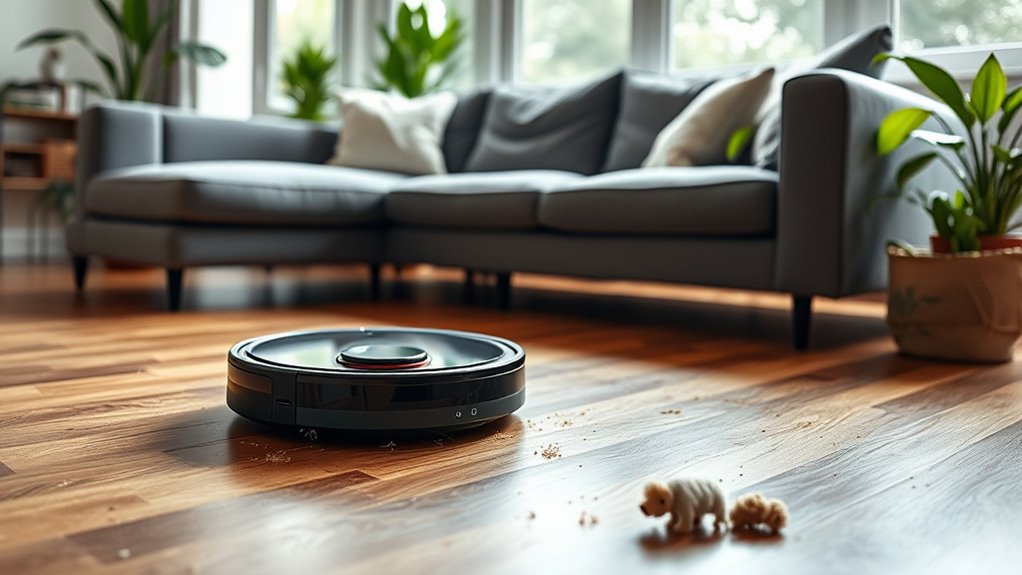
While robot vacuums offer significant convenience, they also come with certain limitations. Their dirt detection technology helps them focus on messier areas, ensuring a more thorough clean. However, this feature isn’t perfect and can sometimes miss spots or get stuck. Battery life is another concern; most models can only clean for about 60 to 120 minutes before needing a recharge. If your space is large, you may need to run multiple cycles or manually intervene. Additionally, they may struggle with deep carpets or cluttered spaces. While they reduce your workload, they don’t replace traditional vacuuming entirely. Essential oils for cleaning can sometimes help freshen up the space after vacuuming. It’s also important to consider robot vacuum maintenance to keep them functioning effectively over time. Regular sensor calibration and filter replacement can extend their lifespan and improve performance. Proper navigation algorithms are crucial for optimizing their cleaning routes and avoiding obstacles. Interestingly, some models incorporate smart home integration, allowing for more seamless control via apps or voice commands. Overall, robot vacuums can be a helpful tool, but understanding their benefits and drawbacks helps you decide if they fit your cleaning needs.
Comparing Popular Models and Their Performance
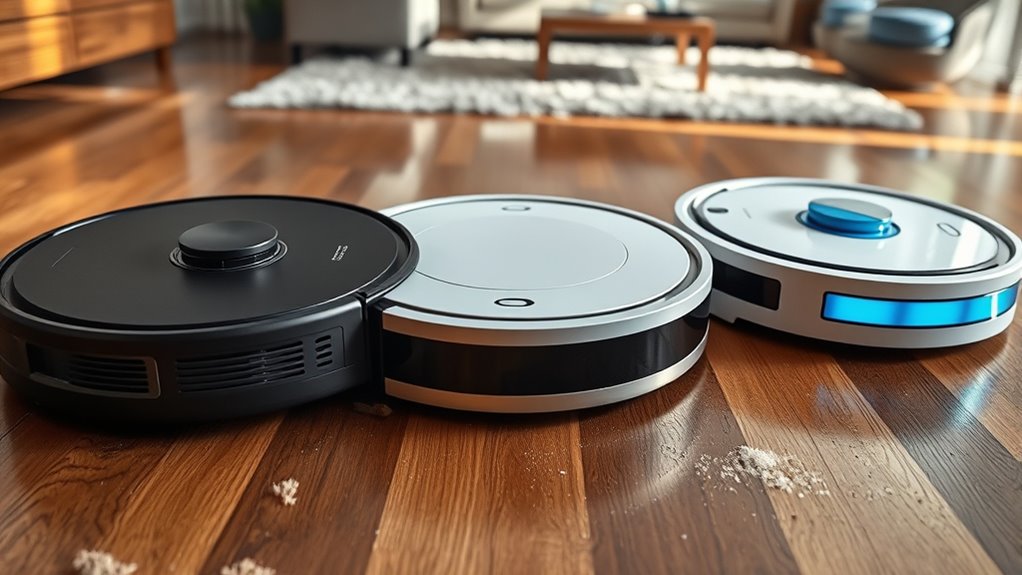
With numerous models available on the market, it’s important to compare their performance to find the best fit for your cleaning needs. Battery life varies widely; some models last only 60 minutes, while others can run up to 120 minutes, allowing you to clean larger spaces without interruption. Noise levels also differ, with quieter models operating around 55 decibels, making them less disruptive during your daily activities. Consider how these factors align with your routine—if you have a large home, a longer battery life is essential; if you work from home, a quieter device may be more suitable. Additionally, pay attention to how each model manages different surfaces and navigates obstacles, ensuring you select a vacuum that balances power, longevity, and minimal noise. Understanding the performance metrics of each model can help you make an informed decision, especially regarding how they handle wood pellet fireplaces or other specialized heating equipment in your home. Moreover, evaluating navigation capabilities can ensure the vacuum efficiently covers your space without missing spots or getting stuck. A thorough understanding of home layout considerations can further enhance your cleaning routine by choosing a model suited for your specific space. Being aware of the compatibility with home features can further improve your overall cleaning experience.
Cost Considerations and Long-Term Savings
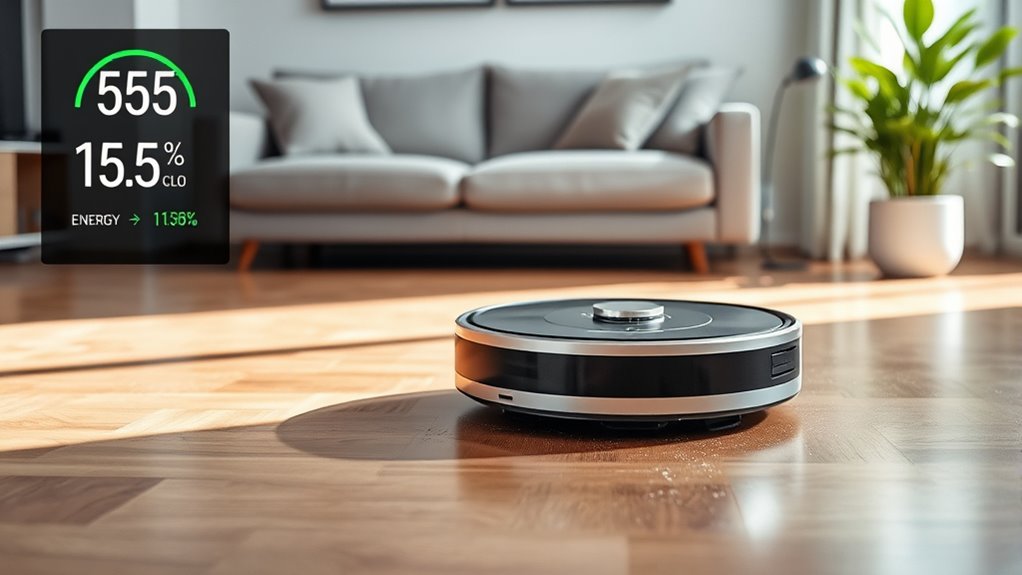
Although the upfront cost of robot vacuums can seem high, considering their long-term savings makes them a worthwhile investment. They often reduce energy consumption with their energy-efficient motors, lowering your utility bills. Maintenance costs are generally minimal, mainly involving filter replacements and occasional brush cleanings. Over time, these smaller expenses add up less than traditional vacuum upkeep. Additionally, total cost of ownership includes factors such as durability and repair costs, which can vary between models and brands. To help visualize, here’s a quick comparison:
| Aspect | Traditional Vacuum | Robot Vacuum | Savings Potential |
|---|---|---|---|
| Energy Efficiency | Moderate to high | Very high | Lower energy bills |
| Maintenance Costs | Regular replacements | Minimal, infrequent | Reduced long-term costs |
| Initial Price | Usually lower | Higher upfront | Cost-effective over time |
| Longevity | 3-5 years | 5-8+ years | Better value over years |
Investing now can pay off with fewer surprises and ongoing savings. Understanding the total cost of ownership can help you make a more informed decision. Additionally, energy-efficient motors contribute significantly to the lower operational costs of robot vacuums, making them an even smarter choice for long-term savings. Moreover, long-term savings are enhanced when choosing models with durable components and good repair support. Incorporating advanced features like smart mapping can further optimize cleaning efficiency and overall value.
Making the Right Choice for Your Home
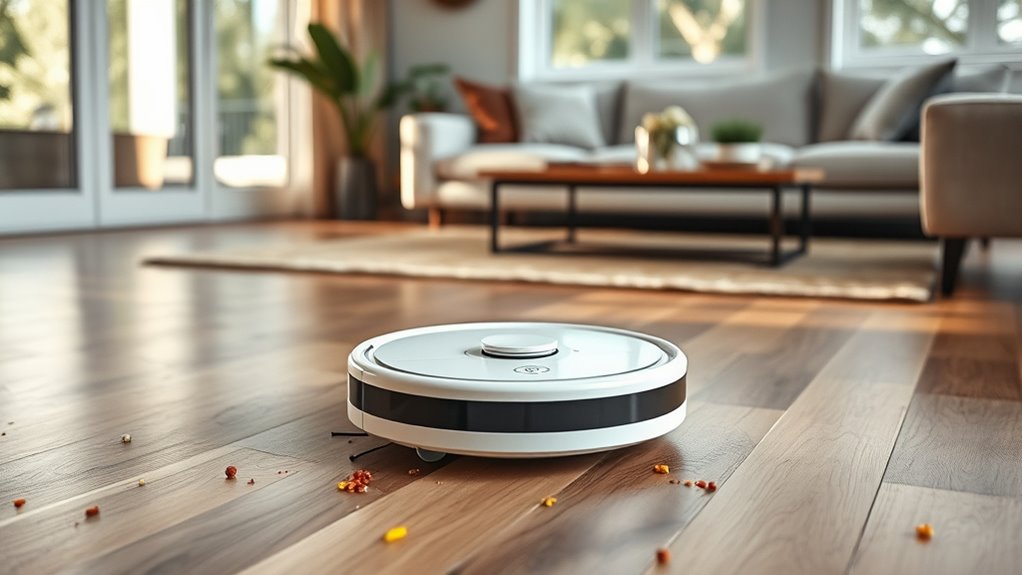
Choosing the right robot vacuum for your home involves considering your specific cleaning needs, layout, and lifestyle. If you want seamless control, look for models with smart home integration, allowing you to operate your vacuum via voice commands or smartphone apps. This makes scheduling and monitoring effortless. Battery life is another key factor; longer-lasting batteries guarantee the vacuum can clean larger areas without frequent recharging. Think about your home’s size and how often you need cleaning sessions. If you have multiple levels or extensive floor plans, a model with quick recharge and resume features might suit you best. Ultimately, selecting a robot vacuum that aligns with your home’s layout and your daily routines assures more efficient cleaning and saves you time and effort in the long run. Navigation and mapping capabilities can also enhance cleaning efficiency by enabling the robot to better understand your home’s layout. Additionally, paying attention to battery performance can help ensure consistent cleaning without interruptions. Considering smart features like app control or voice commands can further streamline your cleaning routine and add convenience. For optimal results, it’s also beneficial to evaluate how well the vacuum adapts to different floor types and obstacles, which is often tied to its navigation technology. Incorporating plant care tips can also help extend the lifespan of your vacuum if you have indoor plants that might shed or attract pests.
Frequently Asked Questions
How Long Do Robot Vacuums Typically Last Before Needing Replacement?
Robot vacuums typically last around 2 to 3 years before needing replacement. The battery lifespan usually declines after this period, affecting cleaning performance. Model durability varies; higher-quality models often last longer due to better components and build quality. To maximize lifespan, regularly maintain your vacuum, replace batteries when needed, and choose reputable brands. With proper care, your robot vacuum can serve you well for several years.
Can Robot Vacuums Effectively Clean Pet Hair and Allergens?
Think of your robot vacuum as a diligent hunter, tirelessly tracking down pet hair and allergens. Yes, it effectively cleans pet hair and allergen removal, especially with specialized brushes and filters. It navigates around furniture, capturing the stubborn fur that settles in hard-to-reach corners. While it might not replace deep cleaning, it markedly reduces allergens and pet hair, making your home fresher and healthier with each sweep.
Do Robot Vacuums Work Well on All Floor Types?
Robot vacuums work well on many floor types, but you should consider floor changes and noise levels. They handle hardwood and tile surfaces efficiently, but thick carpets might require more powerful models. Be mindful of floor transitions, as some vacuums struggle with uneven surfaces. Noise levels vary; choose a quieter model if you want minimal disturbance. Overall, pick a model suited to your specific floor types for the best results.
Are Robot Vacuums Safe to Use Around Children and Pets?
Robot vacuum safety is generally reliable, especially with pet-friendly features designed to protect your children and pets. These vacuums often include sensors to avoid obstacles and prevent accidents, making them safe to use around kids and furry friends. Always check for specific pet-friendly and safety features when choosing a model. With proper use, you can enjoy a clean home without worries about safety risks.
How Often Should I Manually Clean or Maintain My Robot Vacuum?
You should manually clean and maintain your robot vacuum weekly. Check and replace the filter during this time to guarantee peak performance. Remove hair and debris from brushes and wheels, and wipe sensors clean. Keep an eye on the battery life; replace the battery if you notice reduced runtime. Regular maintenance not only prolongs your vacuum’s lifespan but also keeps it running efficiently, saving you time and effort in the long run.
Conclusion
Think of a robot vacuum as your home’s tiny, tireless helper—like a dedicated bee diligently cleaning every flower in the garden. While they save you time and can keep floors consistently tidy, they’re not perfect. If you choose the right model, they can be worth every penny, turning cleaning from a chore into a breeze. Just like trusting a bee to do its job, trust your robot vacuum to help maintain a cleaner home effortlessly.
Halloween Picks
halloween
As an affiliate, we earn on qualifying purchases.