
Drone geofencing uses GPS to create virtual boundaries that keep you safe and compliant. It provides warnings when you’re near restricted zones, helping you avoid accidental violations. Some drones can disable or temporarily disable geofences if you get proper authorization, but always stay aware of local rules. To stay legal, keep your software updated and follow regulations. If you keep exploring, you’ll discover how to navigate geofences effectively and responsibly.
Key Takeaways
- Geofencing prevents unauthorized drone entry into restricted areas by creating virtual boundaries using GPS and digital maps.
- Warnings alert operators when approaching no-fly zones, helping prevent accidental violations and ensuring safe operations.
- Many drones allow authorized users to temporarily unlock or bypass geofences with proper permissions or software authorization.
- Regular software updates ensure geofencing boundaries stay current with changing regulations and restricted zone information.
- Staying informed about local laws and respecting geofence alerts helps operators remain compliant and avoid legal penalties.
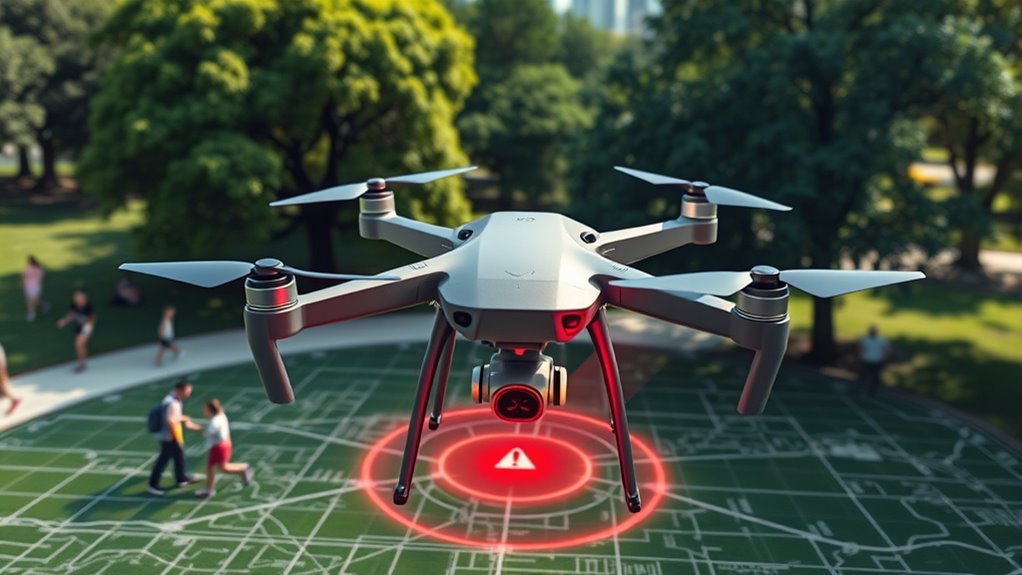
Drone geofencing is a vital technology that helps keep your drone within designated areas and prevents it from entering restricted zones. This system uses GPS and digital mapping to create virtual boundaries that your drone can recognize and respect. When you fly, geofencing acts as an invisible wall, alerting you or stopping your drone if it approaches a no-fly zone. This feature is crucial for ensuring drone safety, as it minimizes the risk of accidents or conflicts with manned aircraft and sensitive areas. By automatically restricting access to certain zones, geofencing also helps you stay compliant with regulations, which is essential to avoid fines or legal issues.
You’ll find that many drones now come equipped with built-in geofencing features, making it easier for you to adhere to local laws and regulations. These digital fences are often updated regularly through the manufacturer’s software, keeping you informed about new restrictions or temporary no-fly zones. When your drone approaches a restricted area, the system can issue warnings or even prevent takeoff altogether. This proactive approach not only protects you from accidental violations but also fosters responsible drone operation. When you respect geofenced boundaries, you demonstrate a commitment to drone safety and regulatory compliance, which helps maintain a positive reputation within the drone community and with authorities.
Understanding how geofencing works will help you plan your flights better. Many systems offer customizable alerts, warning you when you’re nearing a boundary or when you’ve entered a restricted zone. Some advanced drones can even disengage specific areas temporarily, if authorized, allowing you to extend your flight range responsibly. However, you should always verify whether your drone’s geofencing capabilities align with the local regulations of your flight area. Remember that laws differ from place to place, and ignoring geofence alerts can lead to legal issues, fines, or confiscation of your drone. Staying informed about the regulations and restrictions in your region is a key part of responsible drone operation.
drone geofencing software
As an affiliate, we earn on qualifying purchases.
As an affiliate, we earn on qualifying purchases.
Frequently Asked Questions
Can Drone Geofencing Be Bypassed Legally or Illegally?
You might be tempted to bypass drone geofencing, but doing so can be illegal or violate regulations. Some attempt legal workarounds, like updating firmware or using technical vulnerabilities, but these methods often breach laws and can lead to fines or confiscation. Remember, geofencing is in place for safety and security. Always stay within legal boundaries, respect restrictions, and avoid risky workarounds that could get you in trouble.
How Do Geofencing Updates Affect Ongoing Drone Flights?
Imagine your drone’s flight as a delicate dance—geofencing updates can change the rhythm unexpectedly. These updates may cause your drone to halt or change course mid-flight, ensuring flight safety. Staying updated on geofencing is essential; it prevents accidents and keeps you legal. So, regularly check for updates to avoid surprises, because unanticipated changes can compromise your flight’s safety and legality, turning a smooth dance into a stumble.
What Are the Privacy Implications of Drone Geofencing Technologies?
You should be aware that drone geofencing raises privacy concerns because it can track your drone’s location and flight data. This data security issue means your movements might be monitored without your consent, potentially exposing personal information. To stay legal and protect your privacy, make certain you understand how your data is stored and shared, and choose devices with strong security features to prevent unauthorized access or misuse of your flight information.
Are There Countries With No Drone Geofencing Restrictions?
Yes, some countries have minimal or no drone geofencing restrictions due to differing international regulations and technological differences. You might find nations with lax or outdated drone laws, allowing more freedom to operate without geofencing limits. However, it is crucial to research each country’s specific regulations before flying. Ignoring local laws can lead to fines or confiscation, so always stay informed about international regulations and technological differences to stay legal and safe.
How Does Geofencing Impact Drone Insurance Policies?
You’ll find that geofencing can lower your drone insurance premiums by reducing risk exposure. Insurance policies often include coverage limitations around restricted zones, meaning if you ignore geofencing alerts, your coverage might be void. Remarkably, studies show drones operating within geofenced areas face 30% fewer accidents. Staying compliant with geofencing not only keeps you legal but also helps guarantee your insurance coverage remains valid, protecting you from costly liabilities.
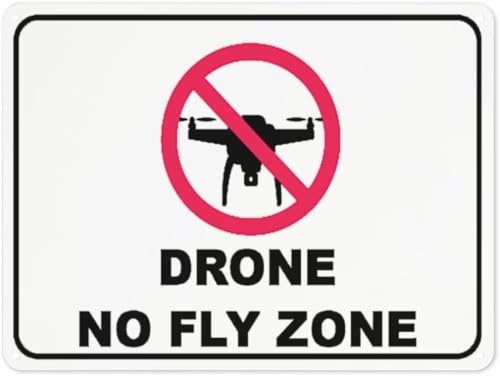
HMAEXT Warning Sign Drone NO Fly Zone, Aluminum Security Tin Road Sign, Ideal for airports Industrial Zones Private Properties, Essential no-Fly Restriction for Drones 12×8 Inch
【Clear 12×8 Inch Format】Provides a large, clear area for your message. Bold, high-contrast graphics and text ensure instant…
As an affiliate, we earn on qualifying purchases.
As an affiliate, we earn on qualifying purchases.
Conclusion
By understanding drone geofencing, you can fly safely and stay within legal boundaries. Remember, over 90% of drone accidents happen near airports or restricted areas, highlighting the importance of warning systems. With geofencing technology, you’re less likely to unintentionally breach those zones. Stay informed, respect regulations, and enjoy flying responsibly. After all, a single mistake could affect lives, but smart technology helps keep everyone safe and skies open for future adventures.

SpaceHawk GPS Tracker – Real-Time Mini GPS System. Hidden GPS Tracking Device for Cars, Trucks, Trailers, Assets & Fleet Vehicles. Waterproof Portable GPS Tracker with Magnet & Long Battery.
Accurate Real-Time GPS Tracking — Wondering where they went? Know in seconds. Secretly track cars, trucks, or assets…
As an affiliate, we earn on qualifying purchases.
As an affiliate, we earn on qualifying purchases.

Quadrotor Drone DIY Kit: A Unique STEM Project with Brushless Motor, Optical Flow Hovering, One-Click Takeoff and Landing, and 360° Flip for DIY Enthusiasts to Learn Drone Basics
Unique DIY Drone: This DIY drone integrates advanced optical flow positioning modules, video modules, and high-power brushless motors….
As an affiliate, we earn on qualifying purchases.
As an affiliate, we earn on qualifying purchases.