
Thermal cameras detect heat energy emitted by objects and convert infrared radiation into thermal images, even in complete darkness. They use sensors and advanced image processing to visualize temperature differences with color scales. These devices are widely used in medical diagnostics, building inspections, electrical checks, and wildlife observation. As technology advances, thermal cameras become more compact, accurate, and smart. If you keep exploring, you’ll discover how these cool devices are transforming many industries.
Key Takeaways
- Thermal cameras detect infrared radiation emitted by objects, converting heat into visual images for various applications.
- They use sensors and image processing units to visualize temperature differences with color-coded thermal maps.
- Common uses include medical diagnostics, building inspections, electrical troubleshooting, and wildlife monitoring.
- Advances like AI integration and miniaturization enhance accuracy, usability, and real-time analysis.
- Future trends involve smart city integration, drone deployment, and improved environmental resilience.

TOPDON TC004 Mini Thermal Imaging Camera, 240 x 240 TISR Resolution, 15-Hour Battery Life, 128 x 128 IR Resolution, 25Hz Handheld Infrared Camera with High/Low Temp Alerts, Auto Shutdown- Blue
【Enhanced Thermal Clarity】Start with 128×128 thermal imaging and enhance to 240×240 resolution with TISR technology for greater details….
As an affiliate, we earn on qualifying purchases.
As an affiliate, we earn on qualifying purchases.
What Are Thermal Cameras and How Do They Detect Heat
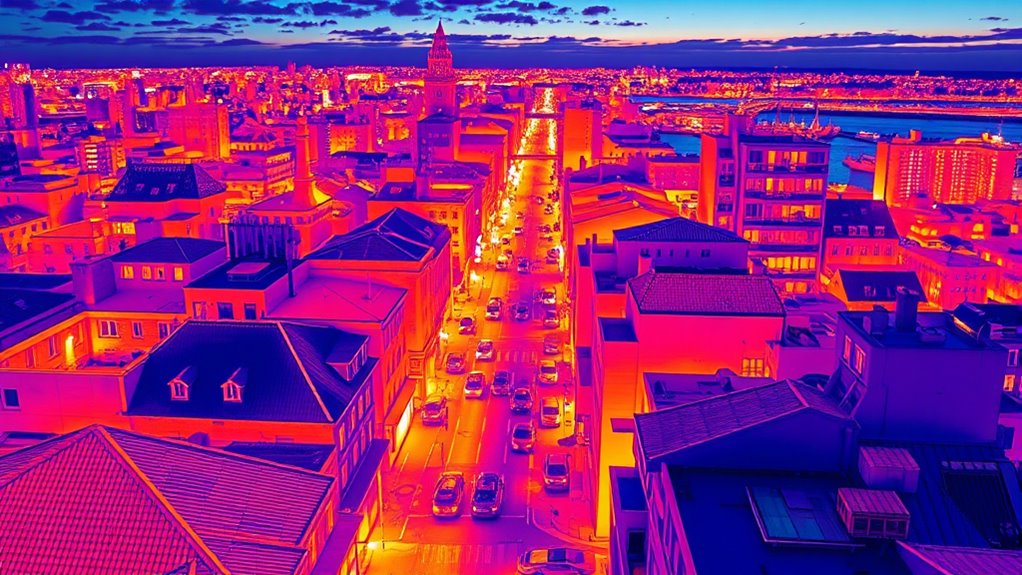
Thermal cameras are devices that detect and visualize heat energy emitted by objects. They translate infrared radiation into images, allowing you to see temperature differences. When capturing thermal images, you can choose from various color palettes, which assign different colors to specific temperature ranges, making hot and cold spots easier to distinguish. Proper calibration techniques are essential to guarantee accurate readings; these involve adjusting the camera’s sensors to match known temperature standards. Calibration helps you avoid errors caused by environmental factors or device drift over time. Once calibrated, the camera processes heat signals and displays them in a visual format, often using false-color images. This combination of color palettes and calibration techniques enables precise, reliable thermal imaging for a wide range of applications. Calibration methods are crucial to ensure the accuracy and consistency of thermal measurements across different environments and devices. Additionally, implementing regular calibration routines can help maintain measurement reliability over the lifespan of the device.

HF96 Thermal Camera with Laser Pointer, Intelligent Scene Detection, Super Resolution 240 x 240, -4°F~1022°F, Thermal Imaging Camera 96 x 96 IR Resolution, 25 HZ Infrared Camera, 11h Runtime
【Intelligent Scene Recognition with IntellFault】HF96 features HSFTOOLS' unique IntellFault technology for automated scene detection. Powered by deep learning,…
As an affiliate, we earn on qualifying purchases.
As an affiliate, we earn on qualifying purchases.
The Science Behind Infrared Radiation and Thermal Imaging
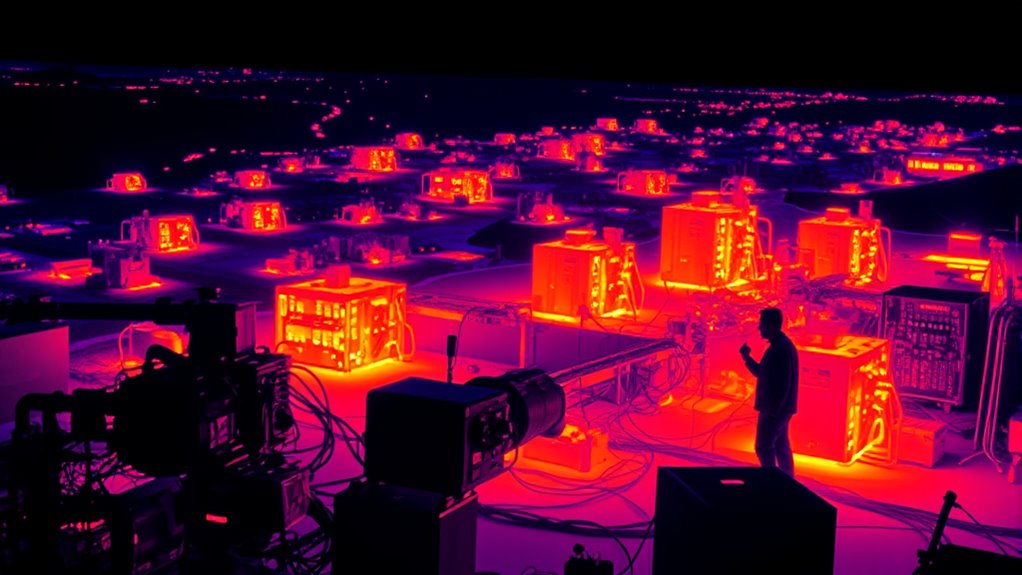
Infrared radiation is the key to understanding how thermal cameras detect heat. When objects emit thermal radiation, they release infrared emission based on their temperature. Warmer objects produce more infrared emission, which radiates outward in the form of thermal radiation. Thermal cameras are designed to sense this radiation, converting it into electrical signals. These signals are processed to create thermal images that visually represent temperature differences. Unlike visible light, infrared radiation isn’t affected by light conditions, allowing thermal cameras to work in darkness or obscured environments. The core principle is that all objects emit some level of thermal radiation, and the amount increases with temperature. By capturing and analyzing this radiation, thermal cameras provide a detailed visual map of heat distribution. This capability is especially valuable for detecting temperature anomalies in various applications. Understanding infrared emission is essential for optimizing performance of thermal imaging systems in different scenarios. Additionally, advancements in sensor technology continue to expand the range of applications, making thermal cameras more versatile and accessible.

GH192 Thermal Imaging Camera 240X240 Super IR Resolution with 2MP Visual Camera and Fusion Imaging, 25Hz Handheld Thermal Imager with Alarm for Mechanical Maintenance Home HVAC Electrical Inspection
Dual Light Fusion Imaging: GH192 240×240 Thermal Imager is equipped with a 2MP visible light camera and an…
As an affiliate, we earn on qualifying purchases.
As an affiliate, we earn on qualifying purchases.
Key Components of a Thermal Camera System
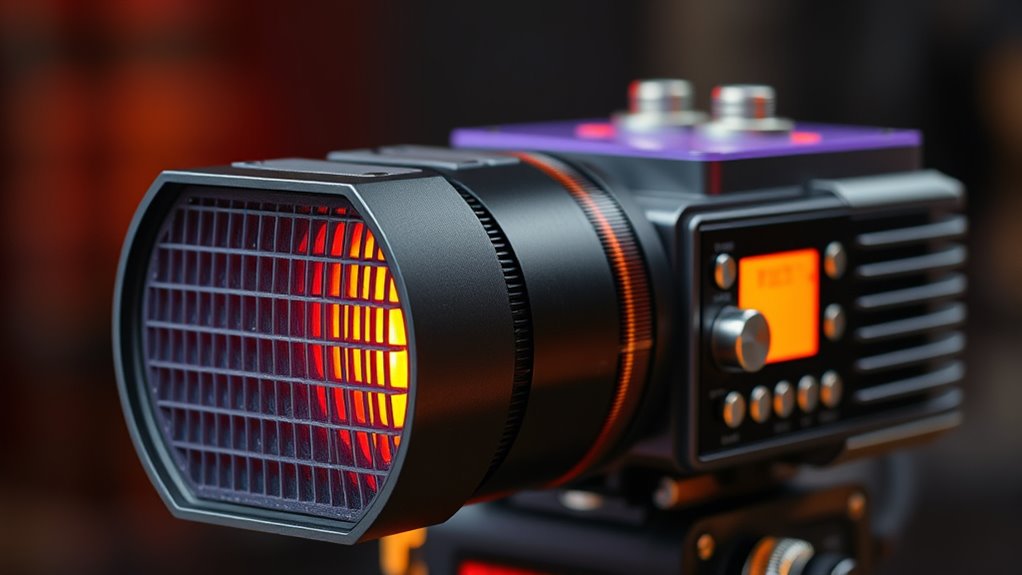
Understanding the key components of a thermal camera system helps you appreciate how it works. You’ll find that core sensor technologies capture infrared radiation, while image processing units turn that data into clear images. Additionally, power sources and connectivity options keep the system operational and integrated into your workflows. Proper maintenance ensures longevity and consistent performance of your thermal imaging equipment.
Core Sensor Technologies
The core sensor technology in a thermal camera detects infrared radiation emitted by objects, converting it into electrical signals that form the basis of thermal imaging. You’ll find a sensor array at the heart of this process, consisting of many tiny detectors that capture IR radiation across a wide area. These detectors need to operate with high sensitivity and low noise for accurate temperature readings. To achieve this, cooling mechanisms are often employed, especially in high-performance cameras, to reduce thermal noise and improve image quality. Depending on the application, sensors can be uncooled microbolometers or cryogenically cooled detectors. These cooling systems ensure the sensor’s temperature remains stable, allowing for precise, detailed thermal images even in challenging environments.
Image Processing Units
Image processing units (IPUs) serve as the brains of a thermal camera, transforming raw data from the sensor array into meaningful thermal images. They analyze the thermal signals, calibrate the data, and remove noise for accuracy. The IPU then performs image processing tasks such as contrast enhancement and edge detection to improve data visualization. This step allows you to interpret temperature differences clearly and quickly. By converting complex sensor readings into intuitive visuals, the IPU makes thermal imaging accessible and practical. Without it, the raw data would be difficult to understand or use effectively. The IPU’s real-time processing capability ensures you get immediate, clear thermal images, enabling swift decision-making in various applications like building inspections, medical diagnostics, or industrial maintenance. Additionally, many thermal cameras incorporate local automation features that optimize image processing based on specific environments or user preferences.
Power and Connectivity
Have you ever wondered how a thermal camera stays powered and connected during operation? It all comes down to the power supply and connectivity options. Most thermal cameras rely on a dependable power source, such as rechargeable batteries or direct electrical connections, to guarantee continuous operation. Wireless connectivity plays an essential role, allowing you to transmit thermal images effortlessly to remote devices. Some key components include:
- Lithium-ion batteries for portability and long-lasting power
- Power adapters for stable, continuous power supply
- Wi-Fi or Bluetooth modules for wireless data transfer
- Ethernet ports for wired, high-speed connectivity
- Understanding power management is crucial for optimizing thermal camera performance in various environments, ensuring reliable operation and extended device lifespan. Proper design considerations can help maximize efficiency and durability in diverse settings, especially when integrating with smart systems or other connected technologies.

MILESEEY TR256i Thermal Imaging Camera for Android, 512×384 Super Resolution (256×192 Native IR) Infrared Camera, Smartphone Thermal Imager, 5°F~1112°F for Electrical, Building, HVAC Detection
【Plug-and-Play Design with High Performance】This smartphone thermal imager connects directly to Android devices via USB-C for instant use…
As an affiliate, we earn on qualifying purchases.
As an affiliate, we earn on qualifying purchases.
How Thermal Images Are Interpreted and Used
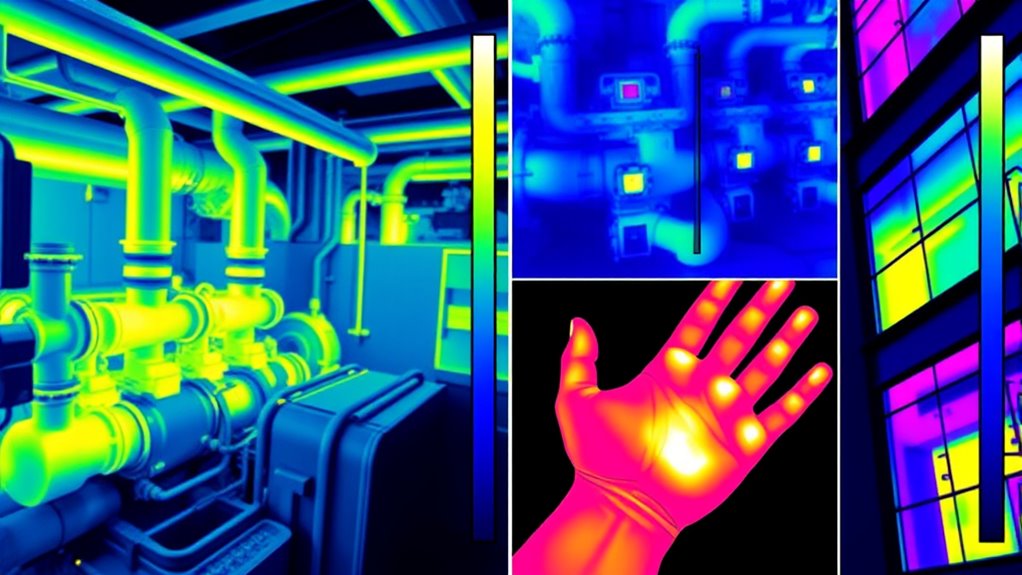
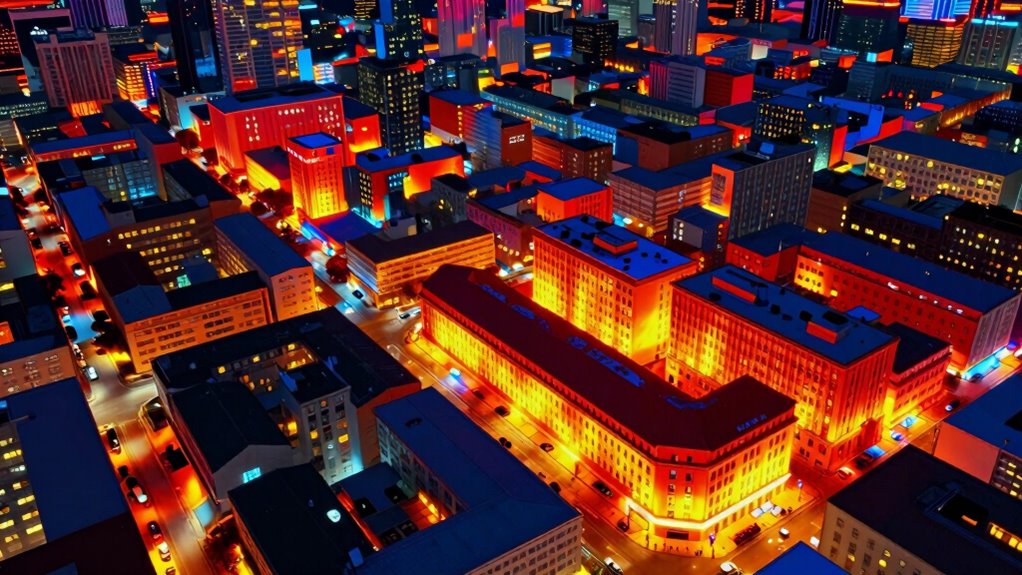
Understanding thermal images relies on interpreting the variations in temperature displayed as different colors or shades. You use color scales to assign specific hues to temperature ranges, making it easier to identify hot and cold spots quickly. Accurate image interpretation involves recognizing patterns and anomalies that stand out against the normal background. To deepen your understanding, consider this table:
| Temperature Range | Color Representation | Use Case |
|---|---|---|
| Hot | Bright White/Red | Fire detection, electrical faults |
| Warm | Yellow/Orange | Building insulation issues |
| Cool | Blue/Green | Water leaks, cold spots |
| Cold | Dark Blue/Black | Refrigeration, HVAC systems |
Additionally, understanding thermal image interpretation can help you better analyze the data for various applications. Recognizing how different temperature ranges appear in thermal images enhances your ability to diagnose issues accurately. Developing a familiarity with the color-temperature mapping is essential for accurate analysis and effective troubleshooting.
Exciting Applications of Thermal Cameras in Various Fields
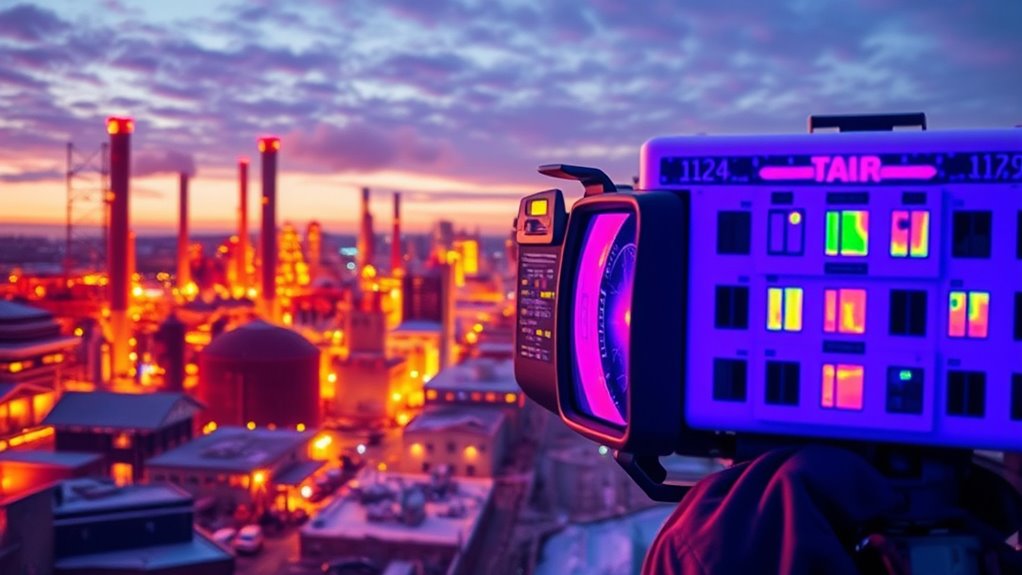
Thermal cameras have revolutionized many fields by providing new ways to see and analyze heat patterns. You can now improve medical diagnostics, streamline building inspections, and observe wildlife more effectively. These exciting applications showcase just how versatile and powerful thermal technology can be. Additionally, thermal imaging can enhance home office ergonomics by helping identify heat sources or temperature inconsistencies that might affect comfort and productivity in your workspace. Understanding thermal imaging technology can further expand its practical uses and optimize its benefits across various domains. Recognizing thermal camera specifications can also assist users in selecting the right device for their specific needs. Exploring thermal camera features can help users better understand how various models differ in performance and application. Gaining knowledge about thermal imaging calibration can ensure accurate readings and reliable results for specialized tasks.
Medical Imaging Advances
Did you know that thermal cameras are revolutionizing medical imaging by providing quick, non-invasive ways to detect health issues? They enable early diagnosis and monitor conditions effectively. Thermal imaging supports therapeutic uses like evaluating blood flow and inflammation, which aid in treatment plans. These diagnostic advancements help identify problems such as circulatory issues, infections, or nerve damage with precision. Additionally, understanding net worth of medical innovators can shed light on the funding and development of these technologies. Moreover, the technological advancements in thermal camera sensors continue to improve image resolution and sensitivity, expanding their applications in healthcare settings.
Building Inspections Efficiency
Ever wondered how thermal cameras are transforming building inspections? They quickly identify heat leaks, helping improve energy efficiency. This saves you money and reduces environmental impact. Thermal imaging also enhances maintenance diagnostics by detecting hidden issues like faulty wiring or insulation gaps before they cause costly damage. Here’s a quick look at key applications:
| Application | Benefit | Focus Area |
|---|---|---|
| Detecting heat leaks | Saves energy, lowers costs | Insulation, windows |
| Electrical system checks | Prevents fires, saves money | Wiring, panels |
| Plumbing inspections | Finds leaks early | Pipes, fixtures |
Using thermal cameras makes building inspections faster, safer, and more accurate. You get a clear picture of potential problems, ensuring your building operates efficiently. StyleGuru.org
Wildlife Observation Opportunities
Building inspections benefit from thermal cameras by quickly identifying hidden issues, improving safety and efficiency. In wildlife observation, thermal cameras excel at nocturnal observation and animal tracking. They allow you to spot animals in complete darkness, revealing movement and heat signatures that are invisible to the naked eye. This technology is especially useful for monitoring elusive species and understanding animal behaviors without disturbance. With thermal imaging, you can:
- Track nocturnal animals in dense forests
- Detect hidden nests or burrows
- Observe wildlife activity during off-hours
- Study migration patterns with minimal interference
These applications open new opportunities for researchers and nature enthusiasts alike, offering a non-invasive way to observe and protect wildlife while gaining insights into behaviors typically hidden from view. Additionally, understanding the battery replacement costs and operational limitations can help users optimize their equipment for extended field use. Recognizing that heat signature detection can be affected by environmental conditions is important for accurate observations. Incorporating high-resolution imaging can further enhance the ability to distinguish between different heat sources and improve overall observation quality. Being aware of environmental factors that influence thermal readings can also help in planning effective wildlife surveys.
Future Trends and Innovations in Thermal Imaging Technology
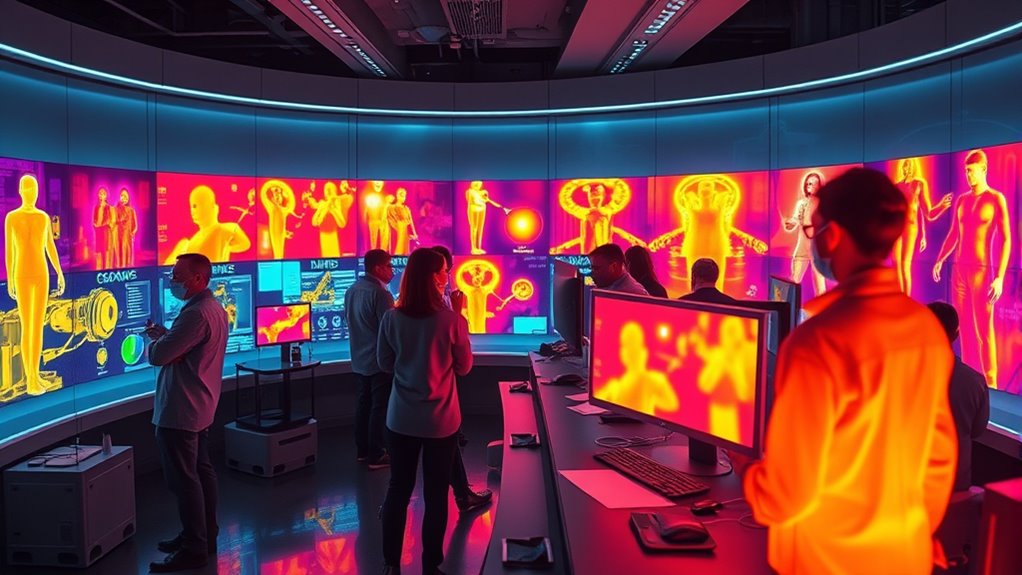
As thermal imaging technology continues to advance, innovative trends are shaping its future applications and capabilities. You’ll see smarter cities integrating thermal cameras into their infrastructure to monitor energy efficiency, traffic flow, and public safety in real time. Drone integration is also transforming the landscape, allowing you to deploy thermal sensors for search and rescue, environmental monitoring, or security patrols from the air. These developments make thermal imaging more accessible and versatile, enabling you to gather critical data quickly and accurately. Expect increased miniaturization and enhanced resolution, which will improve detail and range. Additionally, artificial intelligence will play a bigger role, helping you analyze thermal data automatically for faster decision-making. The future of thermal imaging promises smarter, more connected, and more efficient applications, with real-world safety benefits becoming increasingly evident.
Frequently Asked Questions
Can Thermal Cameras Detect Hidden or Camouflaged Objects?
Yes, thermal cameras can detect hidden or camouflaged objects by revealing temperature differences that aren’t visible to the naked eye. They excel in camouflage detection and uncover object concealment, making them useful for security, search-and-rescue, and military operations. Even if an object is concealed by camouflage, the thermal camera identifies the heat signature, helping you spot what’s hidden behind disguises or obstacles.
How Accurate Are Thermal Cameras in Different Environmental Conditions?
You’ll find that thermal cameras are quite accurate, but their calibration accuracy can vary with environmental factors like temperature, humidity, and weather conditions. In extreme environments, their readings might be less precise, so regular calibration is crucial. Keep in mind that fog, rain, or snow can also impact thermal imaging. To guarantee reliable results, consider these environmental factors and perform calibration checks regularly for peak performance.
Are Thermal Cameras Safe for Continuous Human Monitoring?
Thermal cameras are generally safe for continuous human monitoring, as they emit no harmful radiation or ionizing energy. However, you should consider privacy concerns, since constant monitoring could infringe on personal privacy. While health impacts are minimal, some people worry about data security. As long as you use them responsibly and protect sensitive information, thermal cameras offer a safe, effective way to monitor temperatures without risking health or privacy.
What Are the Limitations of Thermal Imaging in Outdoor Settings?
You might think thermal imaging is perfect outdoors, but weather challenges and resolution constraints limit its effectiveness. Rain, fog, or snow can obscure thermal signals, reducing accuracy. Additionally, lower resolution models may miss fine details or small temperature differences, making it hard to detect subtle issues. So, while useful, outdoor thermal imaging isn’t foolproof and requires careful consideration of environmental conditions to guarantee reliable results.
How Do Thermal Cameras Differ From Other Imaging Technologies?
You’ll notice thermal cameras differ from other imaging technologies because they use infrared detection to sense heat rather than visible light. This allows you to see objects even in total darkness or obscured conditions. While their imaging resolution might not match standard cameras for fine details, they excel at detecting temperature variations. This makes thermal cameras ideal for applications like surveillance, maintenance, or search-and-rescue where heat signatures matter most.
Conclusion
Now that you know how thermal cameras work, imagine using one to detect heat leaks in your home or spot wildlife at night. These cameras aren’t just tech marvels—they’re practical tools making everyday life safer and more efficient. For example, a firefighter might locate hotspots in a burning building to save lives. As technology advances, expect even more innovative ways to harness thermal imaging for your benefit.