
TL;DR

Get the latest gadgets delivered free with Prime
- Fast, free delivery on millions of items
- Prime Video, Amazon Music and more included
- Member-only deals all year
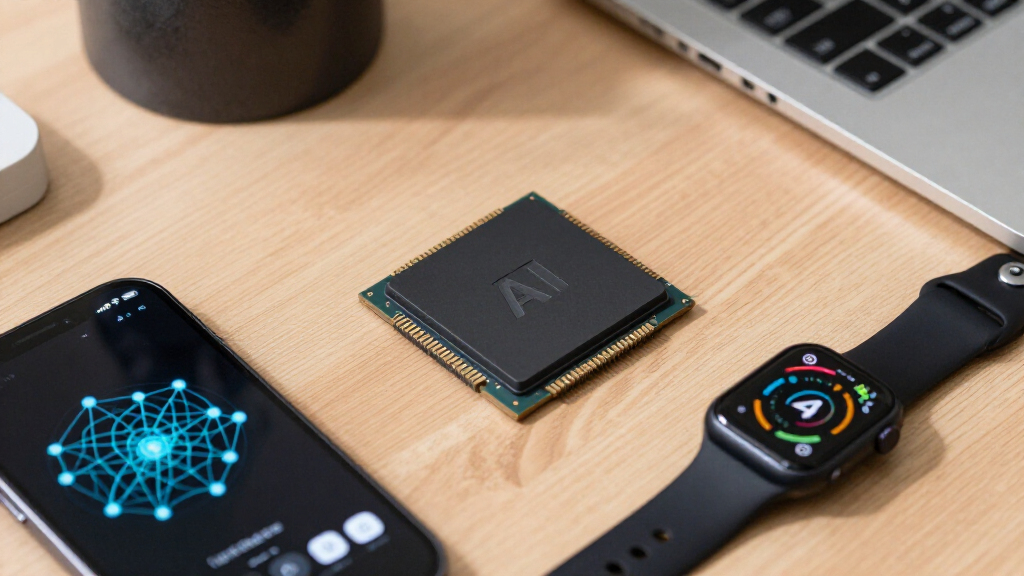
Ten emerging AI technologies are forecasted to significantly impact industries and society in 2026. This report highlights confirmed developments and expert predictions shaping the AI landscape.
Ten AI technologies are forecasted to have a major influence across sectors in 2026, according to industry analysts and recent technological developments. For a detailed overview, see the original analysis. These innovations are expected to reshape how businesses operate, how individuals interact with technology, and how societal challenges are addressed. Learn more about the top AI innovations.
Experts from leading AI research firms and industry insiders have identified ten key AI technologies that are likely to make a significant impact by 2026. Discover the next-gen AI technologies set to launch in 2026. These include advancements in generative AI, autonomous systems, AI-powered cybersecurity, explainable AI, and more. While these predictions are grounded in current progress, the exact scope and adoption rates of these technologies remain uncertain.
Confirmed developments include ongoing improvements in large language models, which are already transforming content creation and communication. Autonomous systems, such as self-driving vehicles and drones, continue to evolve, with pilot programs expanding globally. AI-driven cybersecurity solutions are becoming more sophisticated, aiming to better protect critical infrastructure. However, the pace of adoption and regulatory responses are still evolving, making some projections speculative.
The 10 picks
- 1
 ASUS ROG Astral NVIDIA GeForce RTX 5080 16GB GDDR7 OC Edition Gaming Graphics…View on Amazon →
 - 2
 ASUS TUF Gaming GeForce RTX 5080 16GB GDDR7 OC Edition Graphics CardView on Amazon →
 - 3
 PNY NVIDIA GeForce RTX 5080 Epic-X ARGB OC Triple Fan Graphics Card (16GB GDD…View on Amazon →
 - 4
 GIGABYTE GeForce RTX 5070 Ti Gaming OC 16G Graphics CardView on Amazon →
 - 5
 ASUS Prime NVIDIA GeForce RTX 5070 OC Edition Graphics Card (12GB GDDR7, PCIe…View on Amazon →
 - 6
 ASUS Dual NVIDIA GeForce RTX 5060 Ti 16GB GDDR7 OC Edition Graphics CardView on Amazon →
 - 7
 XFX Swift AMD Radeon RX 9060 XT OC Triple Fan Gaming Edition with 16GB GDDR6View on Amazon →
 - 8
 GIGABYTE Radeon RX 9060 XT Gaming OC ICE 16G Graphics CardView on Amazon →
 - 9
 ASUS Dual NVIDIA GeForce RTX 5060 8GB GDDR7 OC Edition Graphics CardView on Amazon →
 - 10
 GIGABYTE GeForce RTX 5060 WINDFORCE OC 8G Graphics CardView on Amazon →
Implications of 2026’s AI Innovations
This forecasted wave of AI technologies could fundamentally alter industries such as healthcare, transportation, finance, and security. Enhanced automation and intelligence may improve efficiency, reduce costs, and enable new services. Conversely, rapid AI deployment raises concerns over job displacement, ethical considerations, and regulatory challenges. Understanding these impacts helps stakeholders prepare for a future shaped by AI advancements.
Current State of AI Development and Trends
AI has seen rapid growth over the past decade, driven by advances in machine learning, data availability, and computational power. Recent milestones include the deployment of large language models like GPT-4, increased adoption of AI in enterprise solutions, and breakthroughs in autonomous vehicle testing. Experts predict that these trends will accelerate, leading to new AI capabilities by 2026. However, the pace of technological maturation and regulatory frameworks are still catching up, creating a dynamic and uncertain landscape.
Unconfirmed Aspects of 2026’s AI Landscape
Many of the predicted AI technologies are still in early stages or pilot phases, and their future trajectory depends on factors such as regulatory approval, technological breakthroughs, and market acceptance. The exact timeline for widespread adoption remains unclear, and unforeseen challenges could alter the forecasted impact.
Next Steps for AI Development and Adoption
Researchers and industry players will continue to develop and refine these AI technologies, with pilot projects and early deployments expanding over the next year. Regulatory frameworks are expected to evolve to address ethical and safety concerns, potentially influencing the pace and scope of adoption. Monitoring these developments will be crucial for understanding how these technologies will shape 2026 and beyond.
Key Questions
Which AI technology is most likely to impact society in 2026?
Generative AI, especially large language models, is expected to have the most immediate and visible impact, transforming content creation, communication, and automation across sectors.
Are these AI advancements already in use today?
Many are in early deployment or pilot phases, with ongoing research and development. Widespread adoption by 2026 is anticipated but not guaranteed, depending on regulatory and market factors.
What are the main risks associated with these AI technologies?
Potential risks include job displacement, ethical concerns, privacy issues, and the misuse of AI in malicious activities. Regulatory and societal responses will influence how these risks are managed.
How can consumers and businesses prepare for these AI changes?
Staying informed about AI developments, investing in AI literacy, and engaging with policymakers on regulation are key steps. Businesses should also evaluate how these technologies can be integrated responsibly.
Source: ThorstenMeyerAI.com
Halloween Picks
halloween
As an affiliate, we earn on qualifying purchases.