
TL;DR

Get the latest gadgets delivered free with Prime
- Fast, free delivery on millions of items
- Prime Video, Amazon Music and more included
- Member-only deals all year
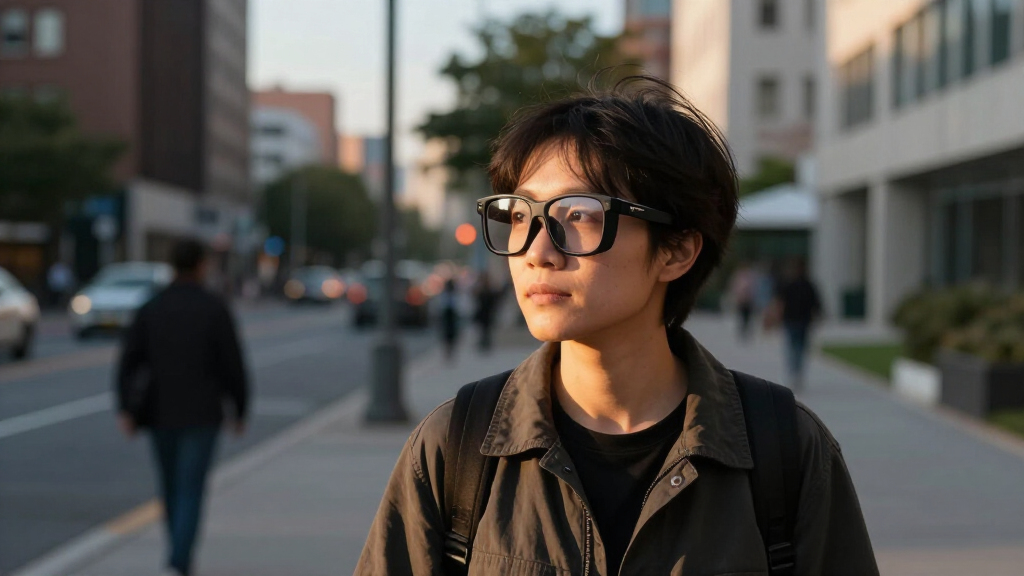
Australia has announced an expansion of its ban on smart glasses in public areas to prevent incidents similar to those reported in the US. The move aims to enhance safety and privacy, with authorities citing recent concerns and potential risks. The policy is now applicable to more public locations, but details on enforcement and scope remain unclear.
Australia has announced an extension of its ban on smart glasses in public spaces, aiming to prevent incidents similar to those reported in the United States. The government cited safety and privacy concerns as primary reasons for the expanded restrictions, which now cover additional public areas across the country. This move reflects growing apprehension about the potential misuse of wearable augmented reality devices in crowded or sensitive environments.
The Australian government confirmed that the ban on smart glasses, which began in select regions, is now being extended nationwide to include more public locations such as shopping centers, transportation hubs, and government buildings. The decision follows recent incidents in the US where wearable AR devices were reportedly used to record or disrupt public activities, raising concerns over security and privacy violations.
Officials stated that the ban applies to all devices capable of recording, streaming, or transmitting data in real time, regardless of whether they are actively in use. The policy aims to prevent the kind of disruptions and privacy breaches that have been linked to US incidents, where individuals wearing such devices allegedly recorded private conversations or distracted others in public spaces.
Authorities emphasized that enforcement will involve fines and potential confiscation of devices for non-compliance. The government also indicated that further regulations might be introduced to specify permitted and prohibited uses of smart glasses in different contexts, but details are still being developed.
Implications for Privacy and Public Safety in Australia
The expansion of the smart glasses ban underscores Australia’s focus on safeguarding public safety and privacy amid increasing adoption of augmented reality devices. By proactively restricting their use in more public spaces, authorities aim to prevent incidents that could disrupt social order or compromise individual privacy. The move also signals a broader concern about wearable technology misuse, which could influence future regulations and industry standards.
For consumers and technology companies, this policy may impact the availability and use of AR wearables in Australia, potentially slowing adoption or prompting design changes to meet legal requirements. The decision also reflects a global trend where governments are scrutinizing emerging technologies for potential risks, balancing innovation with security concerns.
As an affiliate, we earn on qualifying purchases.
Background of Smart Glasses Regulations in Australia
Australia’s initial restrictions on smart glasses were implemented in early 2023, primarily targeting specific venues such as courts and secure government facilities. The restrictions were motivated by concerns over recording privacy violations and disruptions in sensitive environments. Since then, incidents in the US involving AR devices—such as recordings at protests and distractive behaviors in public—have heightened awareness of potential risks.
The Australian government has been monitoring international developments and public safety reports, leading to the decision announced in March 2024 to extend the ban nationwide. The move aligns with similar measures taken by other countries, which are increasingly regulating wearable technologies amid rising usage and reported misuse cases.
There is no indication yet whether the Australian restrictions are based on specific incidents or broader precautionary principles, but officials have emphasized the importance of preemptive action to avoid future problems.
AR glasses with recording capabilities
As an affiliate, we earn on qualifying purchases.
As an affiliate, we earn on qualifying purchases.
Details on Enforcement and Scope Still Unclear
It is not yet clear how strictly the expanded ban will be enforced or what specific penalties will be applied for violations. The exact list of public locations covered by the new restrictions has not been publicly detailed, and the timeline for full implementation remains uncertain. Additionally, it is unclear whether the ban will include all types of smart glasses or only those capable of recording and streaming data.
As an affiliate, we earn on qualifying purchases.
Next Steps for Policy Implementation and Industry Response
The government is expected to release detailed regulations clarifying the scope, enforcement mechanisms, and penalties in the coming weeks. Industry stakeholders are likely to respond with design modifications or advocacy for regulatory exemptions. Public education campaigns may also be launched to inform citizens about the new restrictions and compliance requirements.
Monitoring of the policy’s impact and any incidents related to smart glasses will continue, with possible adjustments based on real-world outcomes. International counterparts may also observe Australia’s approach as a potential model for regulating wearable AR devices.
wearable augmented reality devices
As an affiliate, we earn on qualifying purchases.
As an affiliate, we earn on qualifying purchases.
Key Questions
What types of smart glasses are affected by the ban?
The ban applies to all smart glasses capable of recording, streaming, or transmitting data in real time, regardless of brand or model, but specific device types are yet to be fully detailed by authorities.
Will the ban be enforced nationwide immediately?
The government has announced the extension of the ban, but full enforcement details and timelines are still being developed and communicated.
Could this ban impact technological innovation in Australia?
Potentially, yes. Restrictions on wearable AR devices might slow adoption or innovation in this sector, but they are intended to prevent misuse and protect public safety.
Are there any exemptions to the ban?
Currently, no specific exemptions have been announced. Further regulations may specify permitted uses or exemptions for certain professions or activities.
What incidents prompted this policy expansion?
While officials cite concerns over US incidents involving recordings and disruptions, no specific Australian incidents have been publicly linked to the new restrictions.
Source: rss
Fall Picks
fall essentials
As an affiliate, we earn on qualifying purchases.