🔍 Read the full analysis: Maximize Home Comfort With These 11 AI Automation Devices In 2026 on ThorstenMeyerAI.com

Get the latest gadgets delivered free with Prime
- Fast, free delivery on millions of items
- Prime Video, Amazon Music and more included
- Member-only deals all year
TL;DR
In 2026, consumers have access to 11 advanced AI home automation devices that improve comfort, security, and energy management. This guide highlights the top picks and what to consider when upgrading your smart home.
Eleven AI-powered home automation devices have emerged in 2026 as leading options for enhancing home comfort, security, and energy efficiency. These devices offer advanced features such as adaptive learning, local processing, and broad protocol support, making smart home management more intuitive and customizable. This development matters because consumers increasingly seek smarter, more responsive home systems that can adapt to their routines while prioritizing privacy and ease of use.
The top devices include the HomeClaw Smart Home Gateway, which stands out for its versatile AI integration and open-source flexibility, enabling users to customize and expand their smart home ecosystem. The Google Nest Learning Thermostat remains a popular choice for energy-conscious households, thanks to its adaptive learning capabilities that optimize heating and cooling schedules over time. Budget-friendly options like the Lutron Caseta Kit continue to provide reliable automation with simple installation and broad compatibility.
Other notable devices feature local AI processing to enhance privacy and responsiveness, such as the Ecobee SmartThermostat with Voice Control, which processes commands locally for faster response times. Compatibility across protocols like Z-Wave, Zigbee, and Matter remains a critical factor, as it ensures seamless integration with existing devices. Experts emphasize that choosing the right device depends on individual needs, technical comfort, and future scalability, making informed decisions essential for maximizing home automation benefits.
The 11 picks
- 1
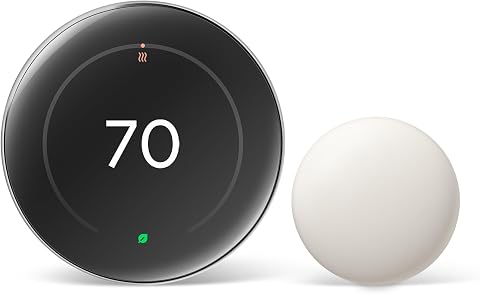 Google Nest Learning Thermostat (4th gen) + Nest Temperature Sensor (2nd gen)…View on Amazon →
 - 2
 SwitchBot AI Hub with OpenClaw Support and Local Camera StorageView on Amazon →
 - 3
 Lutron Caseta Deluxe Smart Switch Kit with 2 Switches, Hub, Remote, WallplateView on Amazon →
 - 4
 Hubitat Elevation C-8 Pro Smart Home Automation Hub – Matter 1.5, Z-Wave 800…View on Amazon →
 - 5
 HomeClaw Smart Home Gateway with Home Assistant & OpenClaw AIView on Amazon →
 - 6
 AI-Powered Smart Home DevicesView on Amazon →
 - 7
 iSG Box SE Smart Home Hub with Preinstalled Home AssistantView on Amazon →
 - 8
 Shelly 1PM Gen4 UL Smart Relay Switch with Power Metering, Wi-Fi, Zigbee & Ma…View on Amazon →
 - 9
 AI-Powered Smart Home Guide 2026: A Step-by-Step Guide to Designing, Optimizi…View on Amazon →
 - 10
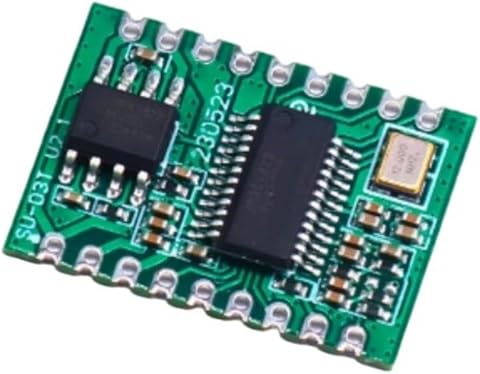 Local AI Voices Command Processor for Home Automation SystemsView on Amazon →
 - 11
 AI Powered Smart Home Guide for Beginners 2026View on Amazon →
Why These Devices Mark a Major Shift in Home Automation
The integration of advanced AI features in 2026 signifies a major evolution in smart home technology, offering users greater convenience, privacy, and energy savings. Devices with adaptive learning and local processing reduce reliance on cloud services, addressing privacy concerns while delivering faster responses. Enhanced protocol support broadens device compatibility, enabling more comprehensive and flexible automation setups. This shift empowers homeowners to customize their environments more precisely, potentially reducing energy costs and improving overall comfort, which is increasingly important amid rising energy prices and the demand for smarter living spaces.
2026 Smart Home Market and AI Integration Trends
The smart home market has seen rapid growth over the past few years, driven by advances in AI and connectivity protocols. Leading tech companies and startups alike have introduced devices that prioritize user privacy, ease of installation, and interoperability. Notably, the emergence of open-source platforms like HomeClaw has allowed greater customization, appealing to both tech enthusiasts and casual users. Prior to 2026, most devices relied heavily on cloud processing; now, local AI processing is gaining prominence, addressing privacy concerns and improving responsiveness. This year’s lineup reflects a broader industry trend toward more intelligent, adaptable, and privacy-conscious home automation solutions.
Remaining Questions About Device Compatibility and Future Updates
While many devices support multiple protocols and local processing, it is still unclear how seamlessly all will integrate into existing ecosystems, especially in complex setups. Compatibility issues may arise with older devices or proprietary systems, and firmware updates could alter AI functionalities over time. Additionally, the long-term reliability of local AI processing versus cloud-based solutions remains to be fully evaluated, and user experiences may vary based on technical expertise and home infrastructure.
Upcoming Developments and Consumer Adoption Milestones in 2026
Manufacturers are expected to release firmware updates that enhance AI capabilities and expand compatibility with emerging protocols. Consumer adoption will likely accelerate as more users recognize the benefits of privacy-focused, adaptive automation. Industry analysts predict that the integration of AI in home devices will continue to evolve, with future models offering even more personalized experiences and deeper ecosystem interoperability. The next few months will be critical for evaluating how well these devices perform in real-world settings and how they influence overall smart home adoption rates.
Key Questions
Can I upgrade my current smart home with these new AI devices?
Yes, many of these devices support common protocols like Z-Wave, Zigbee, and Matter, making integration into existing setups feasible. However, compatibility depends on your current hardware and network infrastructure. Checking device specifications and consulting with manufacturers can help ensure smooth upgrades.
Are local AI processing devices more secure than cloud-based ones?
Generally, yes. Devices with local AI processing reduce reliance on cloud servers, decreasing exposure to data breaches and improving privacy. However, they may have limitations in updates and AI capabilities compared to cloud-based solutions.
What should I consider when choosing an AI home automation device?
Key factors include compatibility with existing devices, AI features like adaptive learning, ease of installation, privacy considerations, and scalability. Balancing these aspects helps ensure your system meets your needs now and in the future.
Will these devices require professional installation?
Most consumer-grade devices are designed for easy setup and can be installed by homeowners with basic technical skills. More complex systems or integrations with existing infrastructure might benefit from professional installation.
How do I ensure my smart home remains secure with AI devices?
Use devices that support local processing, keep firmware updated, enable strong network security practices, and choose reputable brands that prioritize privacy and security features.
Source: ThorstenMeyerAI.com
Columbus Day / Indigenous Peoples' Day Picks
long weekend sales
As an affiliate, we earn on qualifying purchases.