
The best gaming laptops in this roundup cover everything from entry-level play to high-end performance. I’d make the ASUS ROG Strix G16 (2026) my best overall pick for its RTX 5080 and 2.5K 300Hz display, while the GIGABYTE AERO X16 stands out for pairing an RTX 5070 with a more versatile creator-focused design. For a larger screen, the MSI Crosshair 18 HX AI brings a 240Hz 18-inch display and RTX 5070. The central tradeoff is balancing graphics performance and screen quality against portability, battery life, and upgrade needs. Read on for the full breakdown and help matching a laptop to your games and setup.

Get the latest gadgets delivered free with Prime
- Fast, free delivery on millions of items
- Prime Video, Amazon Music and more included
- Member-only deals all year
Complete the kit



Key Takeaways
- The ASUS ROG Strix G16 (2026) leads this lineup on listed performance and display specifications, pairing an RTX 5080 with a 2.5K 300Hz panel; its high-end hardware is more than many casual players need.
- The GIGABYTE AERO X16 is the more flexible RTX 5070 option for buyers who want a gaming-capable laptop that also suits creator workloads.
- The MSI Crosshair 18 HX AI favors a big-screen setup, with an 18-inch 240Hz display, 32GB RAM, and 2TB SSD, but its size is a poor fit for frequent travel.
- The two Lenovo LOQ RTX 4050 models and HP Victus RTX 3050 represent more accessible gaming configurations, though their graphics hardware gives less headroom for demanding settings than the RTX 5060-and-up picks.
- The KAIGERR, NIMO, and MALLRACE listings need extra scrutiny: their supplied specifications emphasize general-purpose or integrated graphics rather than a clearly identified dedicated gaming GPU.
| ASUS ROG Strix G16 Gaming Laptop, Ryzen 9 9955HX, RTX 5060, 16-Inch WUXGA 165Hz Display |  | Best for CPU-Heavy Gaming and Multitasking | Processor: AMD Ryzen 9 9955HX, 16 cores and 32 threads | Graphics: NVIDIA GeForce RTX 5060 Laptop GPU, 8GB GDDR7 | Memory: DDR5; listing conflicts between 64GB and 16GB | VIEW LATEST PRICE | See Our Full Breakdown |
| GIGABYTE AERO X16 16-Inch Laptop with AMD Ryzen AI 7 350 and GeForce RTX 5070 |  | Best for Portable Gaming and Creative Work | Processor: AMD Ryzen AI 7 350 | Graphics: NVIDIA GeForce RTX 5070 Laptop GPU, 8GB GDDR7 | Memory: 32GB DDR5 5600MHz | VIEW LATEST PRICE | See Our Full Breakdown |
| Lenovo LOQ 15.6-Inch Gaming Laptop with AMD Ryzen 5 and GeForce RTX 4050 | 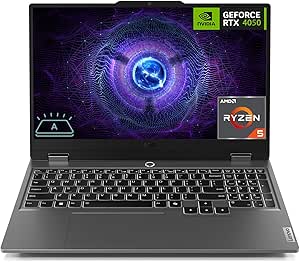 | Best Entry-Level Dedicated Gaming Pick | Processor: AMD Ryzen 5 7235HS, 4 cores and 8 threads, up to 4.2GHz | Graphics: NVIDIA GeForce RTX 4050, 6GB GDDR6 | Memory: DDR5; configurable up to 64GB | VIEW LATEST PRICE | See Our Full Breakdown |
| KAIGERR LX16 Pro 16-Inch Laptop, AMD Ryzen 7, 16GB RAM, 512GB SSD |  | Best for Everyday Use and Light Gaming | Processor: AMD Ryzen 7 7430U, up to 4.5GHz listed | Graphics: Integrated AMD Radeon RX Vega 8 | Memory: 16GB DDR4 2666MHz, expandable up to 64GB | VIEW LATEST PRICE | See Our Full Breakdown |
| ASUS ROG Strix G16 Gaming Laptop, 16-inch FHD+ 165Hz, Intel Core i7-14650HX, NVIDIA GeForce RTX 5060, 16GB DDR5, 1TB SSD |  | Best for Cooling and Upgrade Access | Processor: Intel Core i7-14650HX | Graphics: NVIDIA GeForce RTX 5060 Laptop GPU, 8GB | Memory: 16GB DDR5-5600MHz | VIEW LATEST PRICE | See Our Full Breakdown |
| Razer Blade 16 (2026) Thin Gaming Laptop, RTX 5090, 32GB DDR5, 2TB |  | Best Premium Portable Gaming Laptop | Processor: Intel Core Ultra 9 386H, 16 cores, up to 4.9 GHz | Graphics: NVIDIA GeForce RTX 5090 listed; description also mentions RTX 5070 Ti | Memory: 32GB LPDDR5X, non-upgradeable | VIEW LATEST PRICE | See Our Full Breakdown |
| MSI Cyborg 17 17.3-inch FHD 144Hz Gaming Laptop |  | Best Big-Screen Midrange Pick | Processor: Intel Core 7-240H | Graphics: NVIDIA GeForce RTX 5060, 8GB GDDR7 | Memory: 16GB DDR5 | VIEW LATEST PRICE | See Our Full Breakdown |
| ASUS ROG Strix G16 (2025) 16-Inch Gaming Laptop |  | Best Balanced QHD Gaming Laptop | Processor: Intel Core Ultra 9 275HX | Graphics: NVIDIA GeForce RTX 5070 Ti Laptop GPU | Memory: 32GB DDR5-5600 | VIEW LATEST PRICE | See Our Full Breakdown |
| Lenovo LOQ Gaming Laptop, GeForce RTX 4050, AMD Ryzen 5 7235HS | | Best Entry-Level Gaming Pick | Processor: AMD Ryzen 5 7235HS, 4 cores, up to 4.2 GHz | Graphics: NVIDIA GeForce RTX 4050, 6GB GDDR6 | Memory: 32GB DDR5 listed; supports up to 64GB | VIEW LATEST PRICE | See Our Full Breakdown |
| ASUS ROG Strix G16 (2026) Gaming Laptop, RTX 5080 |  | Best for Competitive High-Refresh Gaming | Processor: Intel Core Ultra 9 290HX Plus | Graphics: NVIDIA GeForce RTX 5080 Laptop GPU, 16GB GDDR7 | Memory: 32GB DDR5-5600 | VIEW LATEST PRICE | See Our Full Breakdown |
| NIMO 15.6-inch Light-Gaming Laptop |  | Best for Light Gaming and Study | Processor: AMD Ryzen 7 7735HS, 8 cores | Graphics: Integrated AMD Radeon 680M | Display: 15.6-inch FHD | VIEW LATEST PRICE | See Our Full Breakdown |
| MALLRACE 15.6-inch Windows 11 Laptop |  | Best for Everyday Use with Casual Gaming | Processor: AMD Ryzen 7 5700U, 8 cores / 16 threads, up to 4.3GHz | Graphics: Integrated AMD Radeon graphics | Display: 15.6-inch LCD, 1920 × 1080 | VIEW LATEST PRICE | See Our Full Breakdown |
| MSI Crosshair 18 HX AI |  | Best for Large-Screen Gaming | Processor: Intel Core Ultra 9 275HX, 24 cores, up to 5.4GHz | Graphics: NVIDIA GeForce RTX 5070, 8GB GDDR7 | Display: 18-inch IPS, 2560 × 1600, 240Hz | VIEW LATEST PRICE | See Our Full Breakdown |
| Alienware 16 Aurora Gaming Laptop |  | Best for Mid-Range Gaming in a 16-Inch Format | Processor: Intel Core 7 240H | Graphics: NVIDIA GeForce RTX 5050 Laptop GPU | Display: 16-inch WQXGA, 2560 × 1600, 120Hz, 300 nits | VIEW LATEST PRICE | See Our Full Breakdown |
| HP Victus 15.6-inch FHD 144Hz Gaming Laptop |  | Best for Entry-Level Dedicated-GPU Gaming | Processor: Intel Core i5-12450H, up to 4.4GHz | Graphics: NVIDIA GeForce RTX 3050, 6GB GDDR6 | Display: 15.6-inch IPS LED, 1920 × 1080, 144Hz | VIEW LATEST PRICE | See Our Full Breakdown |
| gaming laptop | Processor | Graphics | Memory | Storage |
|---|---|---|---|---|
| ASUS ROG Strix G16 Gaming Lapt | AMD Ryzen 9 9955HX, 16 cores and 32 threads | NVIDIA GeForce RTX 5060 Laptop GPU, 8GB GDDR7 | DDR5; listing conflicts between 64GB and 16GB | 1TB SSD |
| GIGABYTE AERO X16 16-Inch Lapt | AMD Ryzen AI 7 350 | NVIDIA GeForce RTX 5070 Laptop GPU, 8GB GDDR7 | 32GB DDR5 5600MHz | 1TB PCIe Gen4 NVMe M.2 SSD |
| Lenovo LOQ 15.6-Inch Gaming La | AMD Ryzen 5 7235HS, 4 cores and 8 threads, up to 4.2GHz | NVIDIA GeForce RTX 4050, 6GB GDDR6 | DDR5; configurable up to 64GB | 512GB PCIe SSD listed; supports up to 8TB PCIe M.2 SSD |
| KAIGERR LX16 Pro 16-Inch Lapto | AMD Ryzen 7 7430U, up to 4.5GHz listed | Integrated AMD Radeon RX Vega 8 | 16GB DDR4 2666MHz, expandable up to 64GB | 512GB M.2 NVMe PCIe 3.0 SSD; dual M.2 slots, up to 4TB total |
| ASUS ROG Strix G16 Gaming Lapt | Intel Core i7-14650HX | NVIDIA GeForce RTX 5060 Laptop GPU, 8GB | 16GB DDR5-5600MHz | 1TB PCIe Gen 4 SSD |
| Razer Blade 16 | Intel Core Ultra 9 386H, 16 cores, up to 4.9 GHz | NVIDIA GeForce RTX 5090 listed; description also mentions RTX 5070 Ti | 32GB LPDDR5X, non-upgradeable | 2TB PCIe 4.0 SSD; two M.2 NVMe slots, up to 8TB total |
| MSI Cyborg 17 17.3-inch FHD 14 | Intel Core 7-240H | NVIDIA GeForce RTX 5060, 8GB GDDR7 | 16GB DDR5 | 1TB NVMe SSD |
| ASUS ROG Strix G16 | Intel Core Ultra 9 275HX | NVIDIA GeForce RTX 5070 Ti Laptop GPU | 32GB DDR5-5600 | 1TB PCIe Gen 4 SSD |
| Lenovo LOQ Gaming Laptop | AMD Ryzen 5 7235HS, 4 cores, up to 4.2 GHz | NVIDIA GeForce RTX 4050, 6GB GDDR6 | 32GB DDR5 listed; supports up to 64GB | 1TB SSD listed; supports up to 8TB PCIe M.2 |
| ASUS ROG Strix G16 | Intel Core Ultra 9 290HX Plus | NVIDIA GeForce RTX 5080 Laptop GPU, 16GB GDDR7 | 32GB DDR5-5600 | 1TB PCIe Gen 4 SSD |
| NIMO 15.6-inch Light-Gaming La | AMD Ryzen 7 7735HS, 8 cores | Integrated AMD Radeon 680M | 16GB DDR5 | 256GB PCIe 4.0 SSD |
| MALLRACE 15.6-inch Windows 11 | AMD Ryzen 7 5700U, 8 cores / 16 threads, up to 4.3GHz | Integrated AMD Radeon graphics | 16GB DDR4 dual-channel, expandable up to 64GB | 512GB M.2 NVMe SSD, expandable up to 2TB |
| MSI Crosshair 18 HX AI | Intel Core Ultra 9 275HX, 24 cores, up to 5.4GHz | NVIDIA GeForce RTX 5070, 8GB GDDR7 | 32GB DDR5-5600 | 2TB NVMe SSD |
| Alienware 16 Aurora Gaming Lap | Intel Core 7 240H | NVIDIA GeForce RTX 5050 Laptop GPU | 16GB DDR5-5600, expandable up to 32GB | 1TB SSD |
| HP Victus 15.6-inch FHD 144Hz | Intel Core i5-12450H, up to 4.4GHz | NVIDIA GeForce RTX 3050, 6GB GDDR6 | 16GB DDR4-3200, listed support up to 64GB | 512GB PCIe SSD |
More Details on Our Top Picks
ASUS ROG Strix G16 Gaming Laptop, Ryzen 9 9955HX, RTX 5060, 16-Inch WUXGA 165Hz Display
The Ryzen 9 9955HX gives this ROG Strix G16 a distinct advantage for CPU-heavy games, streaming, and demanding workloads, while its RTX 5060 provides dedicated graphics for modern gaming. Its 16-inch, 165Hz display favors fast motion over fine detail: the 1920 × 1200 resolution is less sharp than the GIGABYTE AERO X16’s WQXGA panel, but asks less of the GPU when chasing high frame rates. The listing also includes 64GB of DDR5 and a 1TB SSD, though its memory information conflicts with a separate 16GB configuration, so I would verify the shipped RAM before buying. This is a stronger fit for buyers prioritizing processor headroom than the Intel-based ROG Strix G16, but its lower-resolution screen and unclear memory listing temper the appeal.
Pros:- 16-core, 32-thread Ryzen 9 processor with boost speeds up to 5.4GHz
- RTX 5060 Laptop GPU with 8GB GDDR7
- 165Hz, 3ms display suited to fast-moving games
- Wi-Fi 6E, Bluetooth 5.3, and customizable RGB lighting
Cons:- 1920 × 1200 resolution is less detailed than the AERO X16’s WQXGA display
- Product information conflicts on whether the laptop has 64GB or 16GB of DDR5 memory
Best for: Players who stream, run CPU-intensive games, or multitask and want a high-refresh display with an RTX 5060.
Not ideal for: Buyers who prioritize a sharper display or need the advertised memory capacity to be unambiguous before purchase.
- Processor:AMD Ryzen 9 9955HX, 16 cores and 32 threads
- Graphics:NVIDIA GeForce RTX 5060 Laptop GPU, 8GB GDDR7
- Memory:DDR5; listing conflicts between 64GB and 16GB
- Storage:1TB SSD
- Display:16-inch IPS-level, anti-glare, 1920 × 1200 WUXGA
- Refresh rate and response time:165Hz, 3ms
- Operating system:Windows 11 Pro
- Wireless:Wi-Fi 6E, Bluetooth 5.3
Our verdict“Choose this ROG Strix if you want strong CPU capacity alongside RTX 5060 gaming, but confirm its memory configuration and accept a WUXGA screen.”
GIGABYTE AERO X16 16-Inch Laptop with AMD Ryzen AI 7 350 and GeForce RTX 5070
The RTX 5070 and WQXGA 165Hz display make the AERO X16 a compelling choice for players who want more screen detail than the WUXGA panels on either ROG Strix G16. That extra resolution can also benefit editing and other visual work, while the listed 100% sRGB coverage supports color-conscious projects. At 1.9 kg, it is lighter than the Lenovo LOQ and considerably easier to carry as a regular work-and-gaming laptop. Its 32GB of DDR5 and 1TB NVMe drive provide a solid starting configuration, but the Ryzen AI 7 350 is a different emphasis from the Ryzen 9 9955HX: this model pairs capable graphics with portability rather than prioritizing the strongest listed CPU. The display is non-touch, and the provided power detail is unclear, so I would check the adapter requirements.
Pros:- RTX 5070 Laptop GPU with 8GB GDDR7
- 2560 × 1600, 165Hz screen with 100% sRGB coverage
- Relatively light 1.9 kg chassis for a dedicated-graphics laptop
- 32GB DDR5 memory and 1TB PCIe Gen4 NVMe storage
Cons:- Non-touch display may not suit buyers who want pen or finger input
- Ryzen AI 7 350 is less CPU-focused than the Ryzen 9 9955HX in the other ROG Strix
- Provided power specification is unclear
Best for: Students and creators who carry their laptop often and want dedicated RTX graphics, a sharp high-refresh screen, and useful color coverage.
Not ideal for: Buyers seeking the highest listed CPU core count, a touchscreen, or clearly specified power-adapter details.
- Processor:AMD Ryzen AI 7 350
- Graphics:NVIDIA GeForce RTX 5070 Laptop GPU, 8GB GDDR7
- Memory:32GB DDR5 5600MHz
- Storage:1TB PCIe Gen4 NVMe M.2 SSD
- Display:16-inch IPS, 2560 × 1600 WQXGA, 16:10
- Refresh rate and response time:165Hz, 3ms
- Display brightness and color:400 nits typical, 100% sRGB
- Weight:1.9 kg (4.18 lbs)
- Operating system:Windows 11 Home
Our verdict“Pick the AERO X16 if portability and a sharper, color-capable gaming display matter more than maximizing CPU headroom.”
Lenovo LOQ 15.6-Inch Gaming Laptop with AMD Ryzen 5 and GeForce RTX 4050
The Lenovo LOQ is the most straightforward entry into dedicated-graphics gaming among these five: its RTX 4050 and 144Hz G-SYNC display are a more gaming-focused foundation than the integrated graphics in the KAIGERR LX16 Pro. The 15.6-inch FHD panel keeps resolution moderate, which suits the GPU better than the AERO X16’s 2560 × 1600 screen, though it gives up both sharpness and refresh rate to that higher-tier option. Practical connectivity is a strength, with HDMI 2.1, Ethernet, USB-C, and three USB-A ports for accessories and external displays. The four-core Ryzen 5 and listed 512GB SSD are modest next to the 16-core ROG Strix configuration, and the 5.25-pound weight makes it less appealing to carry every day. Memory upgrade support is listed, but the installed amount is not specified.
Pros:- RTX 4050 graphics with 6GB GDDR6
- 144Hz FHD IPS screen with G-SYNC and anti-glare coating
- HDMI 2.1, Ethernet, USB-C, and three USB-A ports
- Memory can be configured up to 64GB, and storage support is listed up to 8TB
Cons:- Four-core Ryzen 5 is a modest CPU configuration compared with the ROG Strix models
- Listed weight of 5.25 lbs makes it less convenient to carry
- Installed memory amount is not specified
Best for: First-time PC gamers who want a dedicated RTX GPU, a high-refresh FHD screen, and wired connection options.
Not ideal for: Frequent travelers, buyers who need a clearly stated installed RAM capacity, or players seeking the higher GPU tier and sharper display of the AERO X16.
- Processor:AMD Ryzen 5 7235HS, 4 cores and 8 threads, up to 4.2GHz
- Graphics:NVIDIA GeForce RTX 4050, 6GB GDDR6
- Memory:DDR5; configurable up to 64GB
- Storage:512GB PCIe SSD listed; supports up to 8TB PCIe M.2 SSD
- Display:15.6-inch FHD (1920 × 1080) IPS, anti-glare, 300 nits
- Refresh rate:144Hz with G-SYNC
- Ports:USB-C, 3 × USB-A, HDMI 2.1, Ethernet, 3.5mm combo jack
- Battery:60Wh lithium-ion; Rapid Charge Pro
- Weight:5.25 lbs
Our verdict“Choose the LOQ for a practical first gaming laptop with dedicated RTX graphics, provided its weight and unspecified installed RAM suit your needs.”
KAIGERR LX16 Pro 16-Inch Laptop, AMD Ryzen 7, 16GB RAM, 512GB SSD
I would treat the KAIGERR LX16 Pro as an everyday laptop that can handle light gaming, not as a peer to the dedicated-GPU machines in this roundup. Its integrated Radeon Vega 8 graphics are a major step down from the Lenovo LOQ’s RTX 4050 and either ROG Strix’s RTX 5060, so demanding games will not be its strength. The tradeoff is a relatively light 1.75 kg chassis, a 16-inch Full HD screen, and Windows 11 Pro for general work. Upgradeable memory and dual M.2 slots offer room to expand, but added RAM or storage will not change the graphics ceiling. The privacy switch, 180-degree hinge, and generous port selection also suit office and study use better than competitive play. Choose this for mixed everyday tasks and casual titles; skip it if gaming performance is the main goal.
Pros:- Light 1.75 kg chassis with a 16-inch Full HD display
- 16GB DDR4 memory is expandable up to 64GB
- Dual M.2 slots support up to 4TB total storage
- Physical camera privacy switch, 180-degree hinge, and multiple USB ports
Cons:- Integrated Radeon Vega 8 graphics are far less suited to demanding games than the dedicated GPUs in the other listed gaming laptops
- Display refresh rate is not specified
- Battery life duration is not provided
Best for: Students or office users who want a light 16-inch Windows laptop for general work, expandable storage, and casual games.
Not ideal for: Players who expect smooth performance in demanding modern games or want dedicated graphics comparable to the Lenovo LOQ or ROG Strix.
- Processor:AMD Ryzen 7 7430U, up to 4.5GHz listed
- Graphics:Integrated AMD Radeon RX Vega 8
- Memory:16GB DDR4 2666MHz, expandable up to 64GB
- Storage:512GB M.2 NVMe PCIe 3.0 SSD; dual M.2 slots, up to 4TB total
- Display:16-inch LCD, 1920 × 1080
- Operating system:Windows 11 Pro
- Wireless:Wi-Fi 6, Bluetooth
- Weight:1.75 kg
- Battery:54.72Wh
Our verdict“Buy the KAIGERR for everyday computing and occasional light gaming, not as a substitute for a laptop with dedicated gaming graphics.”
ASUS ROG Strix G16 Gaming Laptop, 16-inch FHD+ 165Hz, Intel Core i7-14650HX, NVIDIA GeForce RTX 5060, 16GB DDR5, 1TB SSD
This Intel-based ROG Strix G16 is the more clearly specified RTX 5060 choice in the group: it lists 16GB DDR5 and a 1TB PCIe Gen 4 SSD, whereas the Ryzen ROG Strix listing conflicts on installed memory. Its Core i7-14650HX and RTX 5060 are paired with a 165Hz, 1920 × 1200 screen, giving fast games a responsive display without the GPU load of the AERO X16’s WQXGA panel. A vapor chamber, tri-fan cooling, and tool-free access to the RAM and SSD favor buyers who want a serviceable gaming system. The tradeoffs are its 2.65 kg weight and a listed battery life of just two hours, making it a poor choice for long unplugged sessions. Compared with the Ryzen ROG, this model offers clearer memory details and Wi-Fi 7, but less listed RAM.
Pros:- RTX 5060 Laptop GPU with 8GB and DLSS 4 support listed
- 165Hz, 3ms 1920 × 1200 display
- Vapor chamber and tri-fan cooling system
- Tool-free RAM and SSD access, plus Wi-Fi 7
Cons:- Battery life is listed as two hours
- At 2.65 kg, it is less portable than the AERO X16
- 1920 × 1200 is lower resolution than the AERO X16’s 2560 × 1600 panel
Best for: Gamers who want RTX 5060 performance, a high-refresh screen, and accessible RAM and SSD upgrades for a mostly plugged-in setup.
Not ideal for: Commuters who need long battery life or buyers who want a sharper-than-WUXGA display without relying on an external monitor.
- Processor:Intel Core i7-14650HX
- Graphics:NVIDIA GeForce RTX 5060 Laptop GPU, 8GB
- Memory:16GB DDR5-5600MHz
- Storage:1TB PCIe Gen 4 SSD
- Display:16-inch FHD+ (1920 × 1200), 165Hz, 3ms
- Cooling:Vapor chamber, tri-fan technology, Conductonaut Extreme liquid metal
- Wireless:Wi-Fi 7
- Battery:90Wh; listed battery life is 2 hours
- Weight:2.65 kg
Our verdict“Choose this ROG Strix for a clearly specified RTX 5060 configuration and easier upgrades if you mostly game near a power outlet.”
Razer Blade 16 (2026) Thin Gaming Laptop, RTX 5090, 32GB DDR5, 2TB
The Razer Blade 16 is the premium pick for players who want flagship graphics without carrying a bulky gaming chassis. Its 14.9 mm aluminum design is unusually thin for a laptop listing an RTX 5090, while the 16-inch 240Hz OLED gives both fast games and creative work a sharper, richer canvas than the MSI Cyborg 17’s 1080p LCD. That display and the 2TB SSD make it a more versatile travel workstation as well as a gaming machine. The tradeoff is upgrade flexibility: its 32GB LPDDR5X memory is non-upgradeable, even though storage can expand through a second M.2 slot. The listing also conflicts on the GPU, naming RTX 5090 in most fields but RTX 5070 Ti in one description line, so buyers should confirm the exact configuration before choosing it.
Pros:- 14.9 mm CNC aluminum chassis is exceptionally thin for a high-performance gaming laptop.
- 16-inch QHD+ OLED combines 240Hz motion with high-contrast HDR and wide DCI-P3 color.
- 2TB SSD and two M.2 slots provide ample starting capacity and room to expand storage.
- Wi-Fi 7, Thunderbolt 5, and HDMI 2.1 support modern networking and external displays.
Cons:- 32GB LPDDR5X memory is soldered and cannot be upgraded.
- The product description gives conflicting RTX 5090 and RTX 5070 Ti information.
- A thin chassis with flagship components may involve more thermal and fan-noise tradeoffs than thicker gaming designs.
Best for: Traveling gamers and creators who want a thin 16-inch laptop, a high-refresh OLED screen, and top-tier listed graphics in one machine.
Not ideal for: Buyers who need upgradeable memory, prioritize a confirmed GPU configuration, or want a lower-cost entry into gaming.
- Processor:Intel Core Ultra 9 386H, 16 cores, up to 4.9 GHz
- Graphics:NVIDIA GeForce RTX 5090 listed; description also mentions RTX 5070 Ti
- Memory:32GB LPDDR5X, non-upgradeable
- Storage:2TB PCIe 4.0 SSD; two M.2 NVMe slots, up to 8TB total
- Display:16-inch OLED, 2560 × 1600, 240Hz
- Wireless:Wi-Fi 7 and Bluetooth
- Battery:90Wh
- Operating system:Windows 11 Home
Our verdict“Choose the Blade 16 for a thin, premium OLED gaming laptop, but verify its GPU configuration and skip it if you need replaceable memory.”
MSI Cyborg 17 17.3-inch FHD 144Hz Gaming Laptop
The MSI Cyborg 17 puts a roomy 17.3-inch display and RTX 5060 graphics into a relatively portable 5.3-pound package. Its 144Hz refresh rate suits competitive and action games, while the Core 7-240H, 16GB DDR5, and 1TB SSD cover everyday play, school tasks, and streaming without demanding a compact premium design. Compared with the Lenovo LOQ’s 15.6-inch screen, the Cyborg gives games and videos more visible space; compared with the ASUS ROG Strix G16 models, it makes a clearer choice for buyers who value screen size over higher-resolution, faster panels. The compromise is the display itself: 1920 × 1080 is less detailed than the QHD+ screens elsewhere in this group. The description also claims a 0.83-inch profile, while listed dimensions give 0.87 inches.
Pros:- 17.3-inch matte display offers more viewing area than the 15.6-inch Lenovo LOQ.
- 144Hz refresh rate supports smoother motion than standard 60Hz laptop panels.
- RTX 5060 graphics with 8GB GDDR7 is suited to current games and GPU-accelerated tasks.
- USB-C, USB-A, HDMI, and Ethernet provide practical connections for gaming accessories.
Cons:- 1920 × 1080 resolution is less detailed than the 2560 × 1600 ASUS ROG Strix G16 displays.
- 16GB memory offers less multitasking headroom than the 32GB ROG Strix and Razer options.
- The listing gives two slightly different chassis thickness figures.
Best for: Gamers who want a large 17.3-inch screen for shared viewing, media, and casual competitive play without stepping up to a heavier premium machine.
Not ideal for: Players seeking crisp QHD gaming, a high-end esports refresh rate, or a compact laptop for frequent commuting.
- Processor:Intel Core 7-240H
- Graphics:NVIDIA GeForce RTX 5060, 8GB GDDR7
- Memory:16GB DDR5
- Storage:1TB NVMe SSD
- Display:17.3-inch LCD, 1920 × 1080, 144Hz, matte
- Weight:5.3 pounds
- Wireless:Wi-Fi 6E and Bluetooth 5.3
- Operating system:Windows 11 Home
Our verdict“Pick the Cyborg 17 if screen size matters more than resolution and you want a midrange gaming setup with a broad port selection.”
ASUS ROG Strix G16 (2025) 16-Inch Gaming Laptop
The 2025 ASUS ROG Strix G16 balances strong gaming components with a high-resolution, high-refresh display. Its RTX 5070 Ti and Core Ultra 9 275HX are paired with 32GB of DDR5 memory, giving this configuration more graphics and multitasking headroom than the Lenovo LOQ’s RTX 4050 setup. The 16-inch 2560 × 1600 panel also offers finer detail than the MSI Cyborg 17’s FHD screen, while 240Hz keeps fast movement fluid. ASUS’s vapor chamber, tri-fan design, and liquid metal cooling are aimed at handling sustained gaming loads. The tradeoff is portability: at 5.8 pounds and 0.9 inches thick, it is less convenient to carry than the thin Razer Blade 16. Its listed port information is also sparse, so buyers relying on multiple built-in connections should check the full configuration.
Pros:- RTX 5070 Ti graphics and Core Ultra 9 processor form a strong gaming-focused combination.
- 2560 × 1600 resolution and 240Hz refresh rate balance sharp detail with smooth motion.
- 32GB DDR5 supports heavier multitasking than the MSI Cyborg 17’s 16GB configuration.
- Vapor chamber, tri-fan cooling, and liquid metal are designed for demanding workloads.
Cons:- At 5.8 pounds, it is heavier than the Razer Blade 16 and less travel-friendly.
- The IPS panel lacks the OLED contrast offered by the Razer Blade 16.
- Available product information lists only one USB port, leaving connectivity details unclear.
Best for: Gamers who want a high-resolution 16-inch screen, powerful dedicated graphics, and 32GB memory for games and demanding multitasking.
Not ideal for: Frequent travelers prioritizing a lighter chassis, or buyers who need clearly documented built-in port variety.
- Processor:Intel Core Ultra 9 275HX
- Graphics:NVIDIA GeForce RTX 5070 Ti Laptop GPU
- Memory:32GB DDR5-5600
- Storage:1TB PCIe Gen 4 SSD
- Display:16-inch IPS, 2560 × 1600, 240Hz, 3ms
- Maximum brightness:500 nits
- Weight:5.8 pounds
- Wireless:Wi-Fi 7 and Bluetooth
Our verdict“Choose this Strix G16 for a well-rounded mix of QHD speed and RTX 5070 Ti performance if weight matters less than gaming capability.”
Lenovo LOQ Gaming Laptop, GeForce RTX 4050, AMD Ryzen 5 7235HS
The Lenovo LOQ is the straightforward entry point in this group: its RTX 4050, 15.6-inch FHD display, and 144Hz refresh rate target accessible gaming rather than flagship graphics or premium screen technology. The G-SYNC IPS panel pairs a fast refresh rate with adaptive sync, helping reduce tearing when frame rates vary. Compared with the RTX 5060-equipped MSI Cyborg 17, the LOQ is a more modest graphics choice, but it still offers useful expansion claims of up to 64GB RAM and 8TB SSD. The Ryzen 5 7235HS has four cores, so demanding multitasking and CPU-heavy creation are less suitable than on either ASUS ROG Strix G16. At 5.25 pounds, it is also not a lightweight commuter. The supplied configuration lists 32GB RAM and a 1TB SSD, though the broader description presents upgrade ceilings.
Pros:- 144Hz FHD IPS display with G-SYNC supports responsive play and adaptive refresh.
- RTX 4050 graphics provide dedicated GPU capability for gaming.
- The listing describes memory expansion up to 64GB and SSD capacity up to 8TB.
- Ethernet, HDMI 2.1, USB-C, and three USB-A ports support a useful desktop setup.
Cons:- Four-core Ryzen 5 7235HS is less suited to heavy CPU-bound work than the Core Ultra 9 Strix models.
- RTX 4050 is a lower graphics tier than the MSI Cyborg 17’s RTX 5060.
- At 5.25 pounds, it is relatively heavy for a 15.6-inch laptop.
Best for: First-time PC gamers who want a 144Hz FHD screen, dedicated RTX graphics, and a laptop with stated memory and storage expansion room.
Not ideal for: Players targeting demanding high-resolution gaming, CPU-intensive creation, or a lightweight daily carry.
- Processor:AMD Ryzen 5 7235HS, 4 cores, up to 4.2 GHz
- Graphics:NVIDIA GeForce RTX 4050, 6GB GDDR6
- Memory:32GB DDR5 listed; supports up to 64GB
- Storage:1TB SSD listed; supports up to 8TB PCIe M.2
- Display:15.6-inch IPS, 1920 × 1080, 144Hz, 300 nits
- Battery:60Wh
- Weight:5.25 pounds
- Wireless:Wi-Fi 6 and Bluetooth 5.2
Our verdict“Choose the LOQ for entry-level 1080p gaming and expansion options, but look to the Cyborg or Strix if you need more graphics headroom.”
ASUS ROG Strix G16 (2026) Gaming Laptop, RTX 5080
The 2026 ASUS ROG Strix G16 is the performance-first choice for players who want a very fast panel alongside high-tier graphics. Its RTX 5080 and Core Ultra 9 290HX Plus sit above the RTX 5070 Ti configuration in the 2025 Strix G16, while the 300Hz 2560 × 1600 display gives competitive players more refresh headroom than that older model’s 240Hz panel. The anti-glare coating and Dolby Vision HDR also make the screen useful beyond esports. Tool-free access to components is a practical advantage for owners who plan to upgrade memory or storage. In return, this is a thick, gaming-focused 16-inch machine at 0.9 inches, and its 90Wh battery may need frequent charging during demanding play. The 1TB SSD is a modest starting point for large game libraries.
Pros:- RTX 5080 Laptop GPU with 16GB GDDR7 is the strongest graphics option among these five products.
- 300Hz 2560 × 1600 display combines high resolution with especially fast refresh.
- Anti-glare coating and Dolby Vision HDR support both gaming and video viewing.
- Tool-free hardware access makes memory and SSD upgrades easier to plan.
Cons:- The 0.9-inch chassis is thicker than the Razer Blade 16’s thin design.
- The 90Wh battery may require frequent charging during intensive gaming.
- 1TB storage may fill quickly with a large collection of modern games.
Best for: Competitive players and performance-focused gamers who want RTX 5080 graphics, a 300Hz QHD+ screen, and accessible hardware upgrades.
Not ideal for: Travelers seeking a thin laptop, buyers wanting a large game library stored out of the box, or users who game far from power outlets.
- Processor:Intel Core Ultra 9 290HX Plus
- Graphics:NVIDIA GeForce RTX 5080 Laptop GPU, 16GB GDDR7
- Memory:32GB DDR5-5600
- Storage:1TB PCIe Gen 4 SSD
- Display:16-inch, 2560 × 1600, 300Hz, anti-glare
- Battery:90Wh
- Wireless:Wi-Fi and Bluetooth 5.4
- Operating system:Windows 11 Home
Our verdict“Pick the 2026 Strix G16 for its RTX 5080 and 300Hz QHD+ display if you accept a thicker chassis and plan around its 1TB SSD.”
NIMO 15.6-inch Light-Gaming Laptop
The Ryzen 7 7735HS and integrated Radeon 680M make this a better fit for casual games, schoolwork, and light creative tasks than for demanding modern titles. Compared with the MALLRACE Ryzen 7 5700U, its newer graphics architecture and DDR5 memory give it a stronger basis for lighter gaming, though neither has a dedicated graphics card. The 15.6-inch FHD screen, fingerprint reader, numeric keypad, and USB-C charging add useful everyday flexibility. Its main compromise is the 256GB SSD, which can fill quickly once games and media files accumulate; the product listing also does not specify a display refresh rate. I’d choose it for a mixed student workload, not as a substitute for the HP Victus 15’s RTX 3050 or other dedicated-GPU options.
Pros:- Ryzen 7 7735HS with 8 cores supports multitasking and demanding everyday workloads
- Radeon 680M integrated graphics are suited to light gaming and basic visual-creation work
- 16GB DDR5 memory and two memory slots, with listed expansion up to 64GB
- Fingerprint reader, backlit keyboard, numeric keypad, and USB-C PD charging
Cons:- Integrated graphics are a substantial limit for demanding modern games
- 256GB SSD leaves limited room for a game library
- Display refresh rate is not provided in the listing
Best for: Students who want one laptop for coursework, multitasking, and casual or older games without needing a dedicated graphics card
Not ideal for: Players focused on recent graphics-heavy games or anyone who needs ample built-in game storage, because it uses integrated graphics and has a 256GB SSD
- Processor:AMD Ryzen 7 7735HS, 8 cores
- Graphics:Integrated AMD Radeon 680M
- Display:15.6-inch FHD
- Memory:16GB DDR5
- Storage:256GB PCIe 4.0 SSD
- Operating system:Windows 11
- Battery:53.58Wh
- Weight:3.8 pounds
Our verdict“Choose the NIMO for student work and casual gaming; pick the HP Victus 15 or another dedicated-GPU laptop for more demanding games.”
MALLRACE 15.6-inch Windows 11 Laptop
The MALLRACE is an everyday laptop that can handle lighter gaming, rather than a gaming-first machine. Its Ryzen 7 5700U and 16GB of dual-channel memory are a sensible base for study, browsing, and older or less demanding games, while the 512GB SSD provides more room than the NIMO’s 256GB drive. That extra capacity matters if you keep several games and class files installed, but its integrated Radeon graphics are a clear step below the dedicated RTX 3050 in the HP Victus 15. A metal body, Wi-Fi 6, upgradeable memory and storage, and a 180-degree hinge make it adaptable for work and shared-screen use. The tradeoff is straightforward: the 60Hz display specification and integrated graphics offer less gaming headroom than laptops built around a discrete GPU.
Pros:- 512GB NVMe SSD offers more room for games and files than the NIMO’s 256GB drive
- 16GB dual-channel memory is expandable up to 64GB
- Wi-Fi 6, backlit keyboard, and varied ports support everyday use
- Metal body and 180-degree hinge suit portable work and flexible viewing
Cons:- Integrated graphics are less suited to demanding games than the HP Victus 15’s RTX 3050
- The listing specifies a battery life of up to 8 hours, with actual use varying by workload
- No high-refresh display specification is provided
Best for: Students and home users who prioritize a larger SSD, upgrade options, and everyday multitasking over high-end game graphics
Not ideal for: Gamers seeking high frame rates in demanding titles, because the laptop relies on integrated Radeon graphics and lists no high-refresh display
- Processor:AMD Ryzen 7 5700U, 8 cores / 16 threads, up to 4.3GHz
- Graphics:Integrated AMD Radeon graphics
- Display:15.6-inch LCD, 1920 × 1080
- Memory:16GB DDR4 dual-channel, expandable up to 64GB
- Storage:512GB M.2 NVMe SSD, expandable up to 2TB
- Operating system:Windows 11 Pro
- Wireless:Wi-Fi 6 and Bluetooth
- Battery:54.72Wh, listed for up to 8 hours
Our verdict“Pick the MALLRACE for flexible everyday computing and casual play, but choose the HP Victus 15 if gaming performance is the priority.”
MSI Crosshair 18 HX AI
The Crosshair 18 pairs an 18-inch 2560 × 1600 display at 240Hz with an RTX 5070, making it the most screen-focused choice here for fast play and detailed visuals. Its 24-core Core Ultra 9 275HX, 32GB of DDR5 memory, and 2TB SSD also give it room for demanding games and creative workloads without an immediate storage squeeze. Compared with the more compact Alienware 16 Aurora, the MSI offers a larger, faster display and a more powerful listed GPU, but it is substantially less convenient to carry at 13.1 pounds according to the product information. The seller also describes the configuration as upgraded, with the manufacturer box opened for inspection and upgrades. I’d favor it as a desk-centered system; its size and weight work against frequent travel.
Pros:- 18-inch 2560 × 1600 IPS display with a 240Hz refresh rate
- RTX 5070 with 8GB GDDR7 provides dedicated graphics for demanding games
- 32GB DDR5 memory and 2TB NVMe SSD suit large games and creative projects
- Thunderbolt 4, HDMI 2.1, and Wi-Fi 6E provide useful connectivity
Cons:- Listed weight of 13.1 pounds makes it a poor choice for frequent travel
- Large 18-inch form factor takes more desk and bag space than the Alienware 16 Aurora
- Seller notes that the manufacturer box is opened for inspection and upgrades
Best for: Gamers and creators who want a large, high-refresh display, substantial storage, and strong graphics in a mostly stationary laptop
Not ideal for: Students or commuters who carry a laptop daily, because the listed weight is 13.1 pounds and the 18-inch chassis is large
- Processor:Intel Core Ultra 9 275HX, 24 cores, up to 5.4GHz
- Graphics:NVIDIA GeForce RTX 5070, 8GB GDDR7
- Display:18-inch IPS, 2560 × 1600, 240Hz
- Memory:32GB DDR5-5600
- Storage:2TB NVMe SSD
- Operating system:Windows 11 Home
- Wireless:Intel Wi-Fi 6E and Bluetooth 5.3
- Battery:90Wh
- Weight:13.1 pounds (listed product information)
Our verdict“Choose the Crosshair 18 for a large, fast gaming display and strong components, provided you rarely need to carry it.”
Alienware 16 Aurora Gaming Laptop
The Alienware 16 Aurora balances a dedicated RTX 5050 with a 16-inch 2560 × 1600 screen, giving it a sharper gaming canvas than the HP Victus 15’s FHD panel. Its 120Hz refresh rate supports smoother motion than a standard 60Hz screen, though it is more modest than the 240Hz panel on the MSI Crosshair 18. The Intel Core 7 240H, 16GB DDR5 memory, and 1TB SSD make a practical configuration for gaming alongside everyday work, while the Cryo-Chamber airflow design is intended to direct cooling toward core components. At 5.5 pounds, it is easier to carry than the MSI, but still not especially light. The listed 300-nit brightness and 120Hz refresh rate also make it less compelling for players who prioritize very bright screens or the highest refresh rates.
Pros:- RTX 5050 dedicated graphics provide a gaming-focused step up from integrated-GPU laptops
- 16-inch 2560 × 1600 display offers more resolution than the HP Victus 15’s FHD panel
- Cryo-Chamber cooling design directs airflow toward core components
- Wi-Fi 7, Ethernet, HDMI, and USB ports support flexible connections
Cons:- 120Hz refresh rate is below the MSI Crosshair 18’s 240Hz panel
- Listed weight of 5.5 pounds is considerable for regular commuting
- 300-nit brightness may be limiting in bright environments
Best for: Gamers who want dedicated NVIDIA graphics and a high-resolution 16-inch screen without moving to an 18-inch laptop
Not ideal for: Competitive players who want a very high refresh rate or frequent travelers seeking a light laptop, given the 120Hz panel and 5.5-pound weight
- Processor:Intel Core 7 240H
- Graphics:NVIDIA GeForce RTX 5050 Laptop GPU
- Display:16-inch WQXGA, 2560 × 1600, 120Hz, 300 nits
- Memory:16GB DDR5-5600, expandable up to 32GB
- Storage:1TB SSD
- Operating system:Windows 11 Home
- Connectivity:Wi-Fi 7, Bluetooth, Ethernet, HDMI, USB 3.2
- Weight:5.5 pounds
Our verdict“Choose the Alienware 16 Aurora for a dedicated-GPU gaming laptop with a sharp 16-inch screen, not for maximum refresh rate or lightweight portability.”
HP Victus 15.6-inch FHD 144Hz Gaming Laptop
The HP Victus 15 is the clearest gaming-first pick among the lighter-duty options here: its RTX 3050 with 6GB GDDR6 gives it dedicated graphics, unlike the Radeon 680M in the NIMO and integrated Radeon graphics in the MALLRACE. The 15.6-inch 1080p display at 144Hz is a practical match for players who value smoother motion over a higher-resolution panel. Its Core i5-12450H and 16GB RAM cover mainstream gaming and multitasking, while the 512GB SSD provides a reasonable starting point. Compared with the Alienware 16 Aurora, the Victus has a lower-resolution display and an older listed GPU, but its FHD resolution is less demanding to drive. The drawbacks are a listed weight of 7 pounds and 250-nit brightness, which can limit portability and visibility in bright rooms.
Pros:- RTX 3050 with 6GB GDDR6 is a dedicated GPU, unlike the integrated graphics in the NIMO and MALLRACE
- 144Hz FHD display offers smoother motion than the Alienware 16 Aurora’s 120Hz panel
- Core i5-12450H and 16GB RAM provide a capable base for mainstream gaming and multitasking
- 512GB PCIe SSD and Wi-Fi 6 support everyday gaming use
Cons:- FHD resolution is lower than the Alienware 16 Aurora’s 2560 × 1600 display
- Listed weight of 7 pounds reduces portability
- 250-nit maximum brightness may be limiting in bright rooms
Best for: First-time PC gamers who want dedicated graphics and a 144Hz FHD screen for mainstream games
Not ideal for: Buyers who need a lightweight daily-carry laptop, a brighter screen, or high-resolution graphics for demanding titles
- Processor:Intel Core i5-12450H, up to 4.4GHz
- Graphics:NVIDIA GeForce RTX 3050, 6GB GDDR6
- Display:15.6-inch IPS LED, 1920 × 1080, 144Hz
- Memory:16GB DDR4-3200, listed support up to 64GB
- Storage:512GB PCIe SSD
- Operating system:Windows 11 Pro
- Wireless:Wi-Fi 6 and Bluetooth 5
- Maximum display brightness:250 nits
- Weight:7 pounds
Our verdict“Choose the Victus 15 for approachable FHD gaming with dedicated graphics, but look to the Alienware or MSI for a sharper display and newer GPU tier.”

How We Picked
I ranked these gaming laptops by how clearly their listed hardware supports modern PC gaming, then weighed display usefulness, memory and storage, portability cues, and versatility. A dedicated GPU, a suitable high-refresh display, and enough memory and storage carry more weight than a strong-sounding processor name alone. I also distinguish between claims supported by the supplied model details and configurations whose full graphics specifications are unclear; uncertain gaming capability lowers a pick’s position.
The ordering favors systems with a stronger combination of graphics and display performance, not simply the most expensive-sounding components. That puts the RTX 5080 ROG Strix first, followed by options that offer a clear role such as creator flexibility, large-screen play, or more approachable dedicated-GPU configurations. Products with less capable listed GPUs or unclear dedicated graphics rank lower for demanding gaming, even if they may suit school, everyday work, or lighter games. Exact configurations can vary by seller and model year, so I would verify the GPU, display, memory, and upgrade details for the specific listing before buying.
| gaming laptop | Operating system |
|---|---|
| ASUS ROG Strix G16 Gaming Lapt | Windows 11 Pro |
| GIGABYTE AERO X16 16-Inch Lapt | Windows 11 Home |
| Lenovo LOQ 15.6-Inch Gaming La | — |
| KAIGERR LX16 Pro 16-Inch Lapto | Windows 11 Pro |
| ASUS ROG Strix G16 Gaming Lapt | — |
| Razer Blade 16 | Windows 11 Home |
| MSI Cyborg 17 17.3-inch FHD 14 | Windows 11 Home |
| ASUS ROG Strix G16 | — |
| Lenovo LOQ Gaming Laptop | — |
| ASUS ROG Strix G16 | Windows 11 Home |
| NIMO 15.6-inch Light-Gaming La | Windows 11 |
| MALLRACE 15.6-inch Windows 11 | Windows 11 Pro |
| MSI Crosshair 18 HX AI | Windows 11 Home |
| Alienware 16 Aurora Gaming Lap | Windows 11 Home |
| HP Victus 15.6-inch FHD 144Hz | Windows 11 Pro |
Factors to Consider When Choosing Gaming Laptops
Choosing among gaming laptops is less about finding the biggest number in a product name and more about matching the whole system to your play habits. I would start with the games you run, where you use the laptop, and whether it also needs to handle work or creative tasks. These decisions can prevent paying for performance you will not use—or buying a machine that struggles with the settings you expect.
Match the GPU to the games and settings you want
The graphics processor has a larger effect on demanding games than a processor label alone, so check the exact GPU in the configuration you plan to buy. A laptop RTX 4050 or RTX 3050 can suit entry-level gaming, but it offers less performance headroom than the RTX 5060, RTX 5070, or RTX 5080 options in this roundup. Higher-resolution screens and demanding graphics settings ask more of the GPU, so do not pair ambitious visual expectations with a modest graphics configuration without checking independent performance data. Integrated graphics, such as Radeon 680M, can handle lighter titles but are not a like-for-like substitute for a dedicated gaming GPU. I would also look for the laptop GPU’s power rating and cooling details, since the same GPU name can perform differently across chassis designs. Choose around your preferred settings and game library, not the highest model number you can find.
Treat the display as part of the performance decision
A fast refresh rate can make supported games feel smoother, but it does not guarantee that the laptop can render every game at that rate. A 300Hz panel is most useful for competitive games and high frame rates; a 2.5K resolution gives sharper detail but places more load on the GPU. For story-driven games, panel resolution, contrast, brightness, and color quality may matter more than chasing the maximum refresh figure. Screen size changes the use case too: an 18-inch model can make a desk setup feel more immersive, while a 15- or 16-inch machine is easier to carry. Check the exact panel resolution and refresh rate for the listed configuration, since product families may have multiple display options. I would avoid paying extra for a headline refresh rate if your usual games and GPU cannot make practical use of it.
Plan memory and storage around your game library
Memory and storage affect how comfortably a laptop handles a full gaming setup, even though they do not replace graphics power. The 32GB configurations in this group give more breathing room for multitasking, large games, and creative applications than 16GB models. A 1TB SSD is a more flexible starting point than a 256GB or 512GB drive when several large games share the laptop with school or work files. Before choosing a smaller drive, check whether the laptop has an accessible second SSD slot or user-replaceable storage; do not assume every model can be upgraded easily. Memory may be soldered or installed in replaceable modules, and that distinction affects future options. I would check the exact configuration and service documentation rather than relying on a product-family name to infer upgradeability.
Account for cooling, noise, and where you play
Gaming laptops concentrate powerful components in a compact chassis, so sustained performance depends on cooling as well as the component labels. Thin designs are easier to carry, but can have less room for heat management and may run hotter or louder under long gaming sessions. Larger machines such as the 18-inch Crosshair are more naturally suited to staying on a desk, while compact 16-inch options offer a more manageable carry size. Check for independent thermal and noise measurements if you plan to play demanding games for hours. Also account for the power adapter, which adds weight and is often needed to reach full performance. A laptop that travels daily should be judged as a complete carry kit, not by its screen size alone.
Separate gaming capability from general-purpose laptop claims
Some listings use phrases such as “gaming” or “light gaming” even when the supplied specifications do not identify a dedicated GPU. That does not make a laptop useless, but it changes what games and settings are realistic. Integrated graphics can suit older titles, lighter competitive games, and everyday tasks, while demanding releases generally benefit from a dedicated GPU. Compare the exact processor and graphics configuration rather than relying on broad claims like “beats i7,” since processor families and graphics performance are different measures. For unfamiliar brands or retailer-specific configurations, I would verify warranty coverage, return terms, ports, and upgrade support before committing. This extra checking is especially useful for the KAIGERR, NIMO, and MALLRACE listings in this selection.
Pay more only for benefits you can use
A premium configuration makes sense when its stronger GPU, higher-quality display, added memory, or larger SSD directly improves your daily use. The RTX 5080 ROG Strix targets demanding gaming and high frame rates, while a buyer who mainly plays lighter titles may get better value from a more modest dedicated-GPU system. Creator-focused use can justify a versatile machine like the AERO X16, but only if its display, ports, and software support match the work involved. Do not let an attractive screen specification or a newer processor distract from a weak GPU, limited storage, or an unsuitable chassis. Set a priority order before comparing listings: gaming performance, portability, screen size, or mixed-use flexibility. That makes it easier to spend on a real benefit instead of a specification you will rarely notice.
Frequently Asked Questions
Is an RTX 4050 gaming laptop enough for newer games?
An RTX 4050 configuration can be a sensible entry point for PC gaming, but the experience depends on the game, resolution, graphics settings, and laptop’s power and cooling design. Buyers who want high settings in demanding new releases should compare performance tests for the exact laptop rather than assuming every RTX 4050 system performs alike. A 1080p display places less graphics demand than a higher-resolution panel, which can help this class of GPU. If you expect to keep the laptop for several years or prioritize demanding games, a stronger GPU offers more headroom. The Lenovo LOQ models in this roundup are worth comparing with that expectation in mind.
Should I choose a higher refresh rate or a higher resolution?
Choose based on the games you play and the graphics performance you can sustain. Competitive games often benefit more from a high refresh rate, while visually rich single-player games may gain more from a sharper, higher-resolution screen. A high-resolution panel also asks more of the GPU, so pairing it with a lower-tier graphics configuration can force compromises in settings or frame rate. The ROG Strix G16’s 2.5K 300Hz display combines both ambitions, but not every game will take advantage of both at once. I would treat resolution, refresh rate, and GPU as a linked choice rather than shopping for the display spec in isolation.
Can a laptop with integrated graphics count as a gaming laptop?
It can play games, but integrated graphics usually suit lighter titles and less demanding settings rather than serving as a substitute for a dedicated gaming GPU. The NIMO listing names Radeon 680M but does not list a dedicated graphics card, so I would check game-specific performance before buying it for demanding releases. This distinction matters because “light gaming” can mean very different things to different sellers. Look for benchmarks in the games you actually play and check the tested resolution and settings. If modern AAA gaming is a priority, choose a configuration with a clearly specified dedicated GPU.
Is an 18-inch gaming laptop a bad choice if I travel?
Not automatically, but an 18-inch model is usually a better fit for a mostly stationary setup than frequent commuting. The larger display can make games feel more immersive and provide more workspace, while the chassis and power adapter add carrying bulk. Before choosing one, compare the laptop’s weight and dimensions with your bag and travel routine, not just the screen measurement. If you move between classes or work locations often, a 15- or 16-inch option may be easier to live with. The MSI Crosshair 18 is best understood as a large-screen choice, not the most portable pick in this group.
What should I verify before buying a product-family listing?
Confirm the exact GPU, screen resolution and refresh rate, memory, SSD capacity, and processor for the specific configuration being sold. Names such as ROG Strix G16 or Lenovo LOQ cover multiple model years and component combinations, so details from one version may not apply to another. Check whether memory and storage are replaceable, and review warranty and return terms for the seller and region. For a lesser-known brand or a listing with broad gaming claims, seek independent benchmarks and clear service information before deciding. These checks help prevent buying a laptop whose actual configuration falls short of the headline description.
Conclusion
For the strongest all-around gaming configuration in this lineup, I’d choose the ASUS ROG Strix G16 (2026), especially if its RTX 5080 and 2.5K 300Hz display match your games and performance goals. My best value direction is the dedicated-GPU entry tier: compare the Lenovo LOQ RTX 4050 models and HP Victus RTX 3050 by exact configuration, workload, and upgrade options rather than assuming one wins on its name alone. For a premium big-screen setup, the MSI Crosshair 18 HX AI combines an 18-inch 240Hz display with an RTX 5070; for premium performance in a 16-inch format, the ROG Strix G16 (2026) is the clearer pick. Beginners should start with a clearly specified dedicated-GPU model such as the Lenovo LOQ, then confirm the display and storage meet their needs. For mixed gaming and creator work, consider the GIGABYTE AERO X16; for light games and everyday tasks, the NIMO, KAIGERR, or MALLRACE may fit, but verify the graphics capability before treating them as full gaming systems.