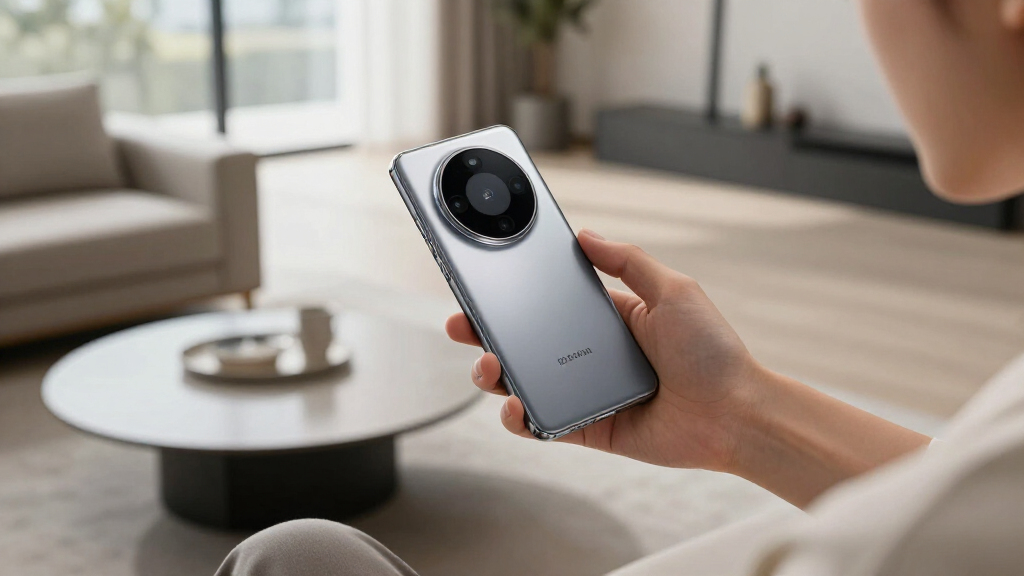

As the line between smartphones and intelligent robots continues to blur, 2026 offers some truly innovative options. The Nothing Phone (4a) Pro stands out for its vivid display and unique Glyph Matrix notifications, making it ideal for tech enthusiasts who want style and functionality. For those seeking powerful photography, the Nothing Phone (3) offers a versatile quad-camera system paired with a robust Snapdragon chipset. Meanwhile, the Google Pixel 10 impresses with its AI-driven performance and high-end durability, perfect for power users who prioritize performance and longevity. The tradeoffs? These premium features come at a higher price and with some limitations in network support or storage, so choosing the right one depends on what aspects matter most to you.

Get the latest gadgets delivered free with Prime
- Fast, free delivery on millions of items
- Prime Video, Amazon Music and more included
- Member-only deals all year
Complete the kit



Key Takeaways
- The Nothing Phone (4a) Pro is best for users wanting a high-brightness display and a unique notification system.
- Google Pixel 10 excels in AI performance, camera zoom capabilities, and durability, suited for power users.
- Nothing Phone (3) offers a balanced mix of performance, camera versatility, and innovative notifications, ideal for premium Android fans.
- Anki Vector 2.0 provides an engaging, AI-powered robot companion, perfect for those interested in home robotics rather than traditional smartphones.
- Tradeoffs across options include network limitations, storage capacity, and price, requiring buyers to prioritize features.


| robot phone | Display | Camera | Battery | Storage |
|---|---|---|---|---|
| Nothing Phone | 6.83-inch 144Hz AMOLED | 50MP triple-lens with AI | 5080mAh with 50W fast charging | 256GB |
| Google Pixel 10 | 6.3-inch Actua | Triple rear with 20x zoom | 24+ hours | 128GB |
| Nothing Phone | 6.67-inch AMOLED, 120Hz | 50MP quad-camera | 5150mAh | 256GB |
| Anki Vector 2.0 AI ChatGPT Con | — | — | — | — |
More Details on Our Top Picks
Nothing Phone (4a) Pro Cell Phone 2026, Unlocked Android Smartphone, 6.83″ AMOLED, 50MP Triple Camera, 5080mAh Battery, 12GB RAM, 256GB Storage, Glyph Matrix, Silver
The Nothing Phone (4a) Pro stands out for its vivid 6.83-inch AMOLED display with a 144Hz refresh rate, making visuals remarkably smooth and bright at 5,000 nits. Its triple-lens 50MP camera system offers AI enhancements for versatile photography, rivaling many flagship phones. The large 5080mAh battery ensures extended use, supported by 50W fast charging. Unique to this model is the Glyph Matrix, which provides visual notifications without disrupting your screen. Compared to the Pixel 10, it offers a more vibrant display and notification system but falls short in network compatibility—particularly limited 5G support on Verizon—and lacks wireless charging, which could inconvenience some users. Overall, this model is ideal for users who prioritize display quality and notifications, but at a premium price.
Pros:- Vivid 6.83-inch AMOLED display with high brightness and 144Hz refresh rate
- Large 5080mAh battery with fast charging
- Unique Glyph Matrix for notifications and alerts
Cons:- Limited 5G support on Verizon network
- No official wireless charging support
- Potentially high cost for premium features
Best for: Tech enthusiasts who want a visually striking device with innovative notification features.
Not ideal for: Users on Verizon or those seeking wireless charging support.
- Display:6.83-inch 144Hz AMOLED
- Brightness:5000 nits
- Camera:50MP triple-lens with AI
- Battery:5080mAh with 50W fast charging
- Processor:Snapdragon 7 Gen 4
- Storage:256GB
Our verdict“A compelling choice for those who value display quality and notification innovation, despite some network limitations.”
Google Pixel 10 – Unlocked Smartphone with Gemini – Indigo – 128 GB
The Google Pixel 10 leverages Google’s Tensor G5 chip, making it a powerhouse for AI-driven tasks and smooth multitasking. Its triple rear camera with 20x zoom caters to serious mobile photographers, and the 6.3-inch Actua display offers excellent outdoor visibility. With IP68 water and dust resistance, it’s built for durability, and the battery life surpasses 24 hours, making it a reliable daily companion. The high-performance chip and advanced camera features come at a premium, and the 128GB storage may be limiting for heavy users. Compared to the Nothing Phone (4a) Pro, it offers better network support and durability but at a higher price. This device is best for users who prioritize AI features, camera zoom, and resilience.
Pros:- Powerful Google Tensor G5 chip for fast AI processing
- Triple rear camera with impressive 20x zoom
- IP68 water and dust resistance
Cons:- High price point
- Limited storage options beyond 128 GB
Best for: Power users seeking AI-driven performance, durable design, and camera versatility.
Not ideal for: Those needing extensive storage or budget-conscious buyers.
- Display:6.3-inch Actua
- Battery:24+ hours
- Camera:Triple rear with 20x zoom
- Water Resistance:IP68
- Chipset:Google Tensor G5
- Storage:128GB
Our verdict“A great pick for those who want AI power, durability, and advanced photography in a compact form.”
Nothing Phone (3) Cell Phone, 5G Unlocked, 256GB, Android 15, Snapdragon 8s Gen4, 50MP Quad Camera, AMOLED Display, 5150mAh, Glyph Interface, Black
The Nothing Phone (3) offers a robust Snapdragon 8s Gen4 processor paired with 24GB RAM, making it a powerhouse for multitasking and gaming. Its 6.67-inch AMOLED display with 120Hz refresh rate delivers crisp visuals, and the 50MP quad-camera system covers wide, telephoto, and ultra-wide shots for versatile photography. The device supports 5G and features the innovative Glyph Interface, which provides interactive notification alerts. Compared with the Pixel 10, it offers a larger display and more RAM but at a potentially higher cost and with some network restrictions—especially on Verizon. It’s suited for users who want a high-performance flagship with a unique notification system and excellent camera versatility.
Pros:- Powerful Snapdragon 8s Gen4 with 24GB RAM
- Bright AMOLED display with 120Hz refresh rate
- Versatile 50MP quad-camera system
Cons:- Limited Verizon network support
- High cost without official pricing details
Best for: Android enthusiasts seeking premium performance, camera versatility, and innovative notifications.
Not ideal for: Users on Verizon or those seeking a more budget-friendly option.
- Display:6.67-inch AMOLED, 120Hz
- Battery:5150mAh
- Camera:50MP quad-camera
- Water Resistance:IP68
- Processor:Snapdragon 8s Gen4
- Storage:256GB
Our verdict“A top-tier Android flagship for users who want performance, camera flexibility, and a unique notification interface.”
Anki Vector 2.0 AI ChatGPT Connected Robot Companion (Black)
The Anki Vector 2.0 is a compact, autonomous robot designed for home interaction, equipped with face recognition, expressive eyes, and voice capabilities. Powered by ChatGPT, it can hold natural conversations, recognize faces, and display emotional responses, making it a captivating home companion. Its advanced sensors enable obstacle detection and mapping, providing a lifelike presence. However, full functionality depends on an active ChatGPT subscription, and setup involves multiple steps, including Wi-Fi configuration. Compared to the smartphones, it doesn’t replace a phone but offers a different kind of interaction—more suited for those interested in robotics rather than traditional communication. This device is perfect for tech lovers looking for a friendly, AI-powered robot for home use, not for replacing your mobile device.
Pros:- Lifelike autonomous behaviors with face recognition
- Expressive reactions and emotional display
- Enhanced conversational capabilities with ChatGPT
Cons:- Requires an active ChatGPT subscription
- Setup involves multiple steps and Wi-Fi connectivity
- Limited to 2.4 GHz Wi-Fi networks
Best for: Home robotics enthusiasts wanting an engaging AI companion.
Not ideal for: People seeking a primary communication device or with limited Wi-Fi options.
- Connectivity:Wi-Fi 2.4 GHz
- Features:Face recognition, voice interaction, expressive eyes
- Sensors:Advanced obstacle detection
- Supports:ChatGPT
Our verdict“A compelling robotic companion for those interested in AI-driven home interaction rather than mobile communication.”
How We Picked
Our selection process focused on the latest innovations in smartphone technology combined with robotics capabilities. We prioritized high-performance processors, innovative features like AI integration and unique notification systems, display quality, camera versatility, and battery life. For robotic companions, we considered autonomy, interaction quality, and practical utility. We aimed to balance premium features with real-world usability, emphasizing value and distinctive traits that set each device apart in 2026’s market.
| robot phone | Processor |
|---|---|
| Nothing Phone | Snapdragon 7 Gen 4 |
| Google Pixel 10 | — |
| Nothing Phone | Snapdragon 8s Gen4 |
| Anki Vector 2.0 AI ChatGPT Con | — |
Factors to Consider When Choosing Best Robot Phones
Choosing the best robot phone in 2026 involves weighing performance, innovative features, and your specific needs. Do you want a phone that doubles as a notification hub with a vivid display? Or are you looking for a device that excels in camera capabilities, durability, or AI performance? Perhaps your interest lies in home robotics, where interaction and personality matter more than traditional features. Understanding these priorities will help you navigate the options more confidently.
Performance and Power
If speed, multitasking, and future-proofing matter most, focus on phones with the latest Snapdragon or equivalent high-end chips, like the Nothing Phone (3) or Pixel 10. These devices offer ample RAM and processing power, ensuring smooth operation even with demanding apps or AI features.
Display and Notification Systems
Display quality influences daily usability and aesthetics. The Nothing Phone (4a) Pro’s 6.83-inch AMOLED with high brightness and the Glyph Matrix for notifications make it a standout for visual appeal and innovative alerts. Consider these if you prioritize visual engagement and unique notification management.
Camera and Photography
For photography, look at devices with versatile camera systems, such as the Nothing Phone (3) with its quad-camera setup or the Pixel 10 with its 20x zoom. These models cater to users who want professional-grade mobile photography and advanced zoom capabilities.
Robotics and AI Interaction
If interaction beyond the screen appeals to you, the Anki Vector 2.0 offers a different experience—an AI-powered robot with personality and conversational skills. It’s best for those who enjoy home automation and AI companions rather than traditional phones.
Frequently Asked Questions
Which robot phone has the best display in 2026?
The Nothing Phone (4a) Pro leads with its 6.83-inch AMOLED display boasting 144Hz refresh rate and 5,000 nits brightness, making it ideal for vivid visuals and bright outdoor use. Its high brightness and smooth refresh rate surpass typical smartphone displays, making it a top choice for display quality.
What should I consider when choosing a robot phone for photography?
Focus on camera versatility, sensor quality, and zoom capabilities. The Nothing Phone (3) offers a quad-camera system with a periscope lens and 50MP sensors, providing flexibility for wide, ultra-wide, and telephoto shots. The Pixel 10 emphasizes zoom and AI enhancements, making it great for detailed photography and editing on the go.
Are these robot phones suitable for gaming or heavy multitasking?
Yes, especially the Nothing Phone (3) and Phone (4a) Pro, which feature high-end Snapdragon chips and ample RAM. The Snapdragon 8s Gen4 and Snapdragon 7 Gen 4 ensure smooth gameplay and multitasking. The Pixel 10, with its Tensor G5 chip, also handles intensive tasks well, though its limited storage might be a concern for some users.
Can I use these devices on all networks?
Network support varies. The Nothing Phone (4a) Pro has limited 5G support on Verizon, while the Nothing Phone (3) and Pixel 10 support 5G but may require network compatibility checks. Always verify your carrier’s network bands to avoid surprises, especially for Verizon users.
Is the Anki Vector 2.0 a replacement for a smartphone?
No, the Anki Vector 2.0 is a home robot designed for interaction and companionship, not communication. It’s perfect for tech enthusiasts interested in AI personalities and home automation but won’t replace your mobile device for calls, messaging, or internet browsing.
Conclusion
For buyers prioritizing display, notifications, and camera versatility, the Nothing Phone (4a) Pro and Nothing Phone (3) are compelling choices—each with its unique strengths. Power users who want AI performance and durability will find the Pixel 10 appealing, especially if photography and resilience are key. Meanwhile, those interested in home robotics and AI interaction should consider the Anki Vector 2.0. Your ideal choice depends on whether you seek a flagship smartphone, a versatile camera device, or a smart robot companion—each excels in different areas in 2026.
Fall Picks
fall essentials
As an affiliate, we earn on qualifying purchases.