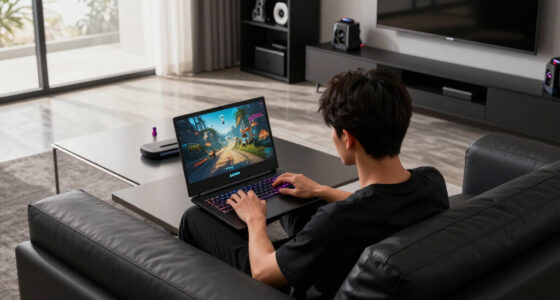

When searching for the best Asus computers, you want options that balance performance, build quality, and price. The ASUS Vivobook stands out as the best overall choice, offering a strong blend of portability and power for everyday use. For those prioritizing business and productivity, the ASUS ExpertCenter D701 provides robust performance with a desktop setup. Meanwhile, the ASUS V500 Mini Tower offers a compact yet powerful option for space-conscious users. The main tradeoffs involve balancing raw power versus portability and choosing between entry-level and high-end configurations. Continue reading for a detailed breakdown to find the perfect Asus computer for your needs.

Get the latest gadgets delivered free with Prime
- Fast, free delivery on millions of items
- Prime Video, Amazon Music and more included
- Member-only deals all year
Complete the kit



Key Takeaways
- The top-ranked Asus models balance performance and value, with high-end desktops offering more power but at a higher price point.
- Portability varies widely; ultrabooks like the Vivobook are ideal for on-the-go use, while desktops cater to stationary setups.
- Memory and storage are critical; models with at least 16GB RAM and 512GB SSD are better suited for demanding tasks.
- Pricing varies significantly between entry-level and premium configurations, so consider your workload before investing.
- Build quality and features such as Wi-Fi 6 and security options distinguish higher-tier models from basic options.


| Asus computer | Processor | Storage | RAM | Connectivity |
|---|---|---|---|---|
| ASUS Vivobook Laptop | i3-1215U (6 cores, 8 threads, 0.9 GHz base, 4.4 GHz turbo) | 512GB PCIe NVMe SSD | 16GB | Wi-Fi 6, HDMI 1.4, USB 2.0 Type-A, USB 3.2 Gen 1 Type-C, USB 3.2 Gen 1 Type-A, 3.5mm audio jack |
| ASUS Vivobook 14" FHD Business | Intel Core i5 120U (10 cores, 12 threads, up to 5GHz) | 1TB SSD | 16GB | Wi-Fi 6, Bluetooth, USB-C 3.2, USB-A 2.0, USB-A 3.2, HDMI, Headphone/Mic Jack |
| ASUS ExpertCenter D701 Desktop | Intel Core i7-14700 | 1TB PCIe NVMe SSD | 32GB DDR5 | Wi-Fi 6E, USB 3.2, USB-C, HDMI, DisplayPort |
| ASUS V500 Mini Tower 15L Deskt | Intel Core i7-13620H (up to 4.9GHz, 10 cores, 16 threads) | 512GB SSD | 16GB DDR5 | — |
| ASUS V500 Home & Business Towe | Intel Core i7-13620H (up to 4.9GHz, 10 cores, 16 threads) | 1TB SSD | — | — |
| ASUS V500 Business Tower Deskt | Intel Core i7-13620H, 10 cores, 16 threads, 2.4 GHz base, up to 4.9 GHz turbo | 512GB SSD (supports up to 4TB) | 16GB DDR5 (configurable up to 64GB) | 7 USB ports, HDMI, DisplayPort, Wi-Fi 6, Bluetooth 5.4, Ethernet |
More Details on Our Top Picks
ASUS Vivobook Laptop, 14″ FHD Display, i3-1215U, 16GB RAM, 512GB SSD, Wi-Fi 6, HDMI, Webcam, Touchpad, Windows 11 Home, Blue
This ASUS Vivobook stands out for its impressive combination of a 14-inch FHD anti-glare display and a capable i3-1215U processor, making it a practical choice for daily tasks. Compared with the higher-powered i5 models, it offers a more affordable entry point with ample 16GB RAM and fast SSD storage. However, the processor may lag behind for demanding multitasking or creative work, and the 14-inch size limits screen real estate for extended productivity. Its modern Wi-Fi 6 and versatile ports ensure solid connectivity, while Windows 11 Home keeps the user experience fresh. This pick makes the most sense for students, home users, or anyone prioritizing portability and value over intensive performance.
Pros:- Fast performance with 16GB RAM and SSD storage
- Bright, anti-glare 14-inch FHD display
- Modern connectivity options including Wi-Fi 6 and multiple USB ports
Cons:- Processor may struggle with intensive multitasking or demanding apps
- Limited to 14-inch display size, which can be restrictive for prolonged productivity
Best for: Students or casual users needing reliable performance for browsing, streaming, and multitasking
Not ideal for: Power users or creative professionals requiring high-end processing or graphics capabilities
- Display:14-inch FHD (1920 x 1080), IPS, Anti-glare
- Processor:i3-1215U (6 cores, 8 threads, 0.9 GHz base, 4.4 GHz turbo)
- RAM:16GB
- Storage:512GB PCIe NVMe SSD
- Connectivity:Wi-Fi 6, HDMI 1.4, USB 2.0 Type-A, USB 3.2 Gen 1 Type-C, USB 3.2 Gen 1 Type-A, 3.5mm audio jack
- Features:Webcam, Touchpad
Our verdict“This model is best suited for budget-conscious users who need dependable everyday performance in a compact form.”
ASUS Vivobook 14″ FHD Business Laptop with Intel Core i5, 16GB RAM, 1TB SSD, Windows 11 Pro, AI Copilot, Privacy Shutter, Includes PLUSERA 8-in-1 Hub
This model makes a strong case for professionals needing a balance of power and security, thanks to its robust i5 processor and Windows 11 Pro. Unlike the Vivobook with an i3, this offers a significant upgrade in processing speed and multitasking capability, suitable for office work, multitasking, and light creative tasks. Its vivid 14-inch IPS display enhances visual clarity, and the 1TB SSD ensures quick data access. Security features like a privacy shutter and the included 8-in-1 hub boost productivity and safety. The absence of a dedicated GPU means it’s not ideal for high-end gaming or intensive graphic design, and battery life details are missing, which could be a concern for mobile users. This makes it ideal for business users prioritizing security, connectivity, and performance.
Pros:- Powerful Intel Core i5 with 10 cores for efficient multitasking
- Vivid FHD IPS display for clear visuals
- Includes privacy shutter and security features
Cons:- Lacks dedicated graphics card for graphics-intensive tasks
- Battery life not specified, which may impact portability
Best for: Business professionals needing security features, fast data access, and reliable multitasking
Not ideal for: Gamers or high-end creative professionals requiring dedicated graphics or extensive battery life
- Processor:Intel Core i5 120U (10 cores, 12 threads, up to 5GHz)
- Display:14-inch FHD IPS LED, 1920 x 1080
- RAM:16GB
- Storage:1TB SSD
- Connectivity:Wi-Fi 6, Bluetooth, USB-C 3.2, USB-A 2.0, USB-A 3.2, HDMI, Headphone/Mic Jack
- Features:Privacy Shutter, AI Copilot
Our verdict“This laptop suits business users seeking a secure, fast, and well-connected device for professional tasks.”
ASUS ExpertCenter D701 Desktop with Intel Core i7, 32GB DDR5 RAM, 1TB SSD, Windows 11 Pro, Wired Keyboard and Mouse
The ASUS ExpertCenter D701 stands out for its high-end i7 processor and 32GB DDR5 RAM, making it ideal for demanding multitasking, productivity, or small business environments. Compared with the mini tower V500, it offers more expandability and easier upgrades, but at the cost of larger space requirements. Its near-silent operation and energy-efficient design make it suitable for a quiet office. The 1TB SSD ensures rapid data access, and Windows 11 Pro offers advanced security and management features. The main tradeoff involves its size and potential upgrade limitations. This desktop makes the most sense for users who need serious processing power and multitasking capacity without gaming or graphics-intensive tasks.
Pros:- Powerful Intel Core i7 handles demanding tasks efficiently
- High-speed 32GB DDR5 RAM for smooth multitasking
- Near-silent operation with fan-stop technology
Cons:- No dedicated graphics card for high-end gaming or graphics work
- Limited details on upgrade options or expandability
Best for: Business users or power users running demanding multitasking workloads
Not ideal for: Casual users or those with limited space needing a compact setup
- Processor:Intel Core i7-14700
- RAM:32GB DDR5
- Storage:1TB PCIe NVMe SSD
- Connectivity:Wi-Fi 6E, USB 3.2, USB-C, HDMI, DisplayPort
- Noise Level:Less than 38 dB
- Operating System:Windows 11 Pro
Our verdict“This desktop is best for professionals needing a powerful, quiet machine for multitasking and productivity tasks.”
ASUS V500 Mini Tower 15L Desktop with Intel Core i7-13620H, 16GB RAM, 512GB SSD, Windows 11 Home, Includes Wired Keyboard & Mouse, Gray
The ASUS V500 Mini Tower offers a compelling blend of power and size, with a 10-core i7-13620H processor and 16GB DDR5 RAM, making it suitable for office work, gaming, or general use in limited spaces. Its 15L form factor is smaller than traditional towers, but still provides multiple ports, including HDMI and DisplayPort, for versatile connectivity. Compared to the larger ExpertCenter, it sacrifices some expandability but gains in footprint reduction. Its 512GB SSD ensures quick system responsiveness, though it may be limiting for large data storage needs. This mini tower balances performance and space saving, ideal for users who want a capable desktop without the bulk.
Pros:- Powerful 10-core Intel Core i7-13620H processor
- Fast 16GB DDR5 RAM and quick 512GB SSD
- Includes wired keyboard and mouse for immediate setup
Cons:- Limited upgrade options due to small size
- No dedicated graphics card, which may affect gaming and creative tasks
Best for: Small offices or home users needing a compact yet powerful desktop
Not ideal for: High-end gamers or users requiring extensive upgrade options
- Processor:Intel Core i7-13620H (up to 4.9GHz, 10 cores, 16 threads)
- RAM:16GB DDR5
- Storage:512GB SSD
- Ports:USB-C 3.2, USB-A 2.0, USB-A 3.2, HDMI 1.4, DisplayPort 1.4
- Wireless:Wi-Fi 6, Bluetooth 5.4
- Power Supply:180W 80+ Bronze
Our verdict“This mini tower is a smart choice for space-conscious users seeking solid performance for everyday tasks.”
ASUS V500 Home & Business Tower Desktop with Intel Core i7-13620H, 32GB DDR5, 1TB SSD, Bundle with 64GB USB Drive
The ASUS V500 bundle offers a high-performance desktop with a 10-core i7-13620H and 32GB DDR5 RAM, making it ideal for intensive multitasking, content creation, or demanding business applications. Its 1TB SSD provides ample, fast storage, and the support for multiple displays boosts productivity. Compared with the smaller V500 Mini Tower, it provides greater expandability and flexibility for future upgrades, though it shares the same core power. The inclusion of a 64GB USB drive adds value for data transfer or backup needs. The main limitation is the absence of a dedicated graphics card, which restricts high-end gaming or graphics-heavy tasks. This desktop suits power users and business professionals who need a robust, expandable system.
Pros:- Powerful 10-core Intel Core i7-13620H processor
- Large 32GB DDR5 RAM for smooth multitasking
- Includes 1TB fast SSD and a 64GB USB drive for data flexibility
Cons:- No dedicated graphics card for high-end gaming or design work
- Original seal opened for upgrades, which may concern some buyers
Best for: Power users, content creators, and business professionals needing high multitasking capacity
Not ideal for: Casual users or those with limited space and no need for extensive upgrade potential
- Processor:Intel Core i7-13620H (up to 4.9GHz, 10 cores, 16 threads)
- Memory:32GB DDR5
- Storage:1TB SSD
- Graphics Output:DisplayPort, HDMI
- Operating System:Windows 11 Pro
- Included Accessories:ADATA 64GB USB Flash Drive
Our verdict“This desktop offers a blend of power, expandability, and value for demanding multitasking and business tasks.”
ASUS V500 Business Tower Desktop Computer with Intel Core i7-13620H, 16GB DDR5, 512GB SSD, Windows 11
The ASUS V500 Business Tower stands out for its robust performance, driven by a 10-core Intel Core i7-13620H processor that handles multitasking with ease. Compared to the ASUS ExpertCenter D701, which offers 32GB RAM, this model balances speed and affordability for most business needs. Its 16GB DDR5 RAM and 512GB SSD ensure quick data access and smooth workflow, though it lacks a dedicated graphics card, limiting high-end visuals or gaming. The inclusion of Wi-Fi 6 and multiple connectivity ports makes it versatile for multi-screen setups and fast network access. The pre-installed Windows 11 provides a modern interface, but some users may need to update drivers or adjust settings initially. This tower is an ideal choice for small to medium-sized business environments where performance and connectivity matter, but it may not satisfy gamers or creative professionals needing serious graphics power.
Pros:- Powerful 10-core Intel Core i7-13620H processor for quick multitasking
- Ample 16GB DDR5 RAM and speedy SSD storage support productivity
- Versatile connectivity including Wi-Fi 6, HDMI, DisplayPort, and multiple USB ports
- Includes wired keyboard and mouse for immediate setup
Cons:- Lacks a dedicated graphics card, limiting graphics-intensive tasks
- Price and current availability are not specified, which may affect decision-making
- Pre-installed Windows 11 might require updates or customization for some users
Best for: Small to medium-sized business professionals who need fast multitasking and reliable connectivity
Not ideal for: High-end gamers or graphic designers requiring dedicated GPU power and extensive multimedia capabilities
- Processor:Intel Core i7-13620H, 10 cores, 16 threads, 2.4 GHz base, up to 4.9 GHz turbo
- RAM:16GB DDR5 (configurable up to 64GB)
- Storage:512GB SSD (supports up to 4TB)
- Operating System:Windows 11 Home 64-bit
- Connectivity:7 USB ports, HDMI, DisplayPort, Wi-Fi 6, Bluetooth 5.4, Ethernet
- Keyboard and Mouse:Wired, ergonomic design
Our verdict“This desktop makes the most sense for business users prioritizing speed, connectivity, and multitasking without heavy graphics needs.”

How We Picked
To determine the best Asus computers, I evaluated each model based on performance, usability, build quality, and value. Performance metrics like CPU power, RAM, and storage capacity were key to identifying models suitable for both everyday tasks and demanding workloads. Usability factors such as port selection, display quality, and portability helped differentiate models for different user needs. I also considered build quality, reliability, and the inclusion of useful features like Wi-Fi 6, security shutters, and bundled accessories. The ranking reflects a balanced view of these factors, prioritizing models that offer the best overall value and versatility for most users.
| Asus computer | Processor | Operating System |
|---|---|---|
| ASUS Vivobook Laptop | i3-1215U (6 cores, 8 threads, 0.9 GHz base, 4.4 GHz turbo) | — |
| ASUS Vivobook 14" FHD Business | Intel Core i5 120U (10 cores, 12 threads, up to 5GHz) | — |
| ASUS ExpertCenter D701 Desktop | Intel Core i7-14700 | Windows 11 Pro |
| ASUS V500 Mini Tower 15L Deskt | Intel Core i7-13620H (up to 4.9GHz, 10 cores, 16 threads) | — |
| ASUS V500 Home & Business Towe | Intel Core i7-13620H (up to 4.9GHz, 10 cores, 16 threads) | Windows 11 Pro |
| ASUS V500 Business Tower Deskt | Intel Core i7-13620H, 10 cores, 16 threads, 2.4 GHz base, up to 4.9 GHz turbo | Windows 11 Home 64-bit |
Factors to Consider When Choosing Best Asus Computers
Choosing the best Asus computer depends on understanding what features matter most for your specific needs. Whether you prioritize portability, raw power, or budget, there are key factors to consider that influence your decision beyond just specs. A well-informed choice balances these factors to avoid common pitfalls like overspending on features you won’t use or settling for underpowered options.Performance Needs
Assess your typical workload to determine the necessary performance level. For basic tasks like web browsing and Office work, an entry-level Asus Vivobook with an Intel i3 processor may suffice. However, for demanding applications such as video editing or gaming, look for higher-end models with Intel Core i7 or i9 CPUs, ample RAM, and dedicated graphics. Avoid over-investing in high specs if your needs are modest, but also resist the temptation to buy underpowered hardware if you plan to grow into your tasks.
Portability vs. Power
Decide whether you need a portable laptop or a stationary desktop. Ultrabooks like the Vivobook excel in portability but often sacrifice some performance and expandability. Desktops, such as the ExpertCenter or V500 Towers, provide more raw power, better cooling, and upgrade options but are less convenient for travel. Recognize that portability often means compromises in size and battery life, so prioritize what aligns best with your daily routine and workspace.
Memory and Storage
Look for models with at least 16GB of RAM if multitasking or demanding applications are part of your workflow. Storage options matter too: SSDs offer faster load times and better reliability than traditional HDDs. If you handle large files or need extensive storage, opt for models with 1TB SSDs or higher. Be cautious of budget models with only 8GB RAM or small SSDs, which can bottleneck performance over time.
Features and Connectivity
Features like Wi-Fi 6, multiple USB-C and Thunderbolt ports, and security options like privacy shutters add significant convenience and security. Consider whether you need extras like a touchscreen, bundled accessories, or enhanced security features. Don’t overlook the importance of a good keyboard and display quality, especially if you’ll use the device extensively for work or creative tasks. These features can greatly enhance your overall experience but may come at a higher cost.
Budget and Value
Balance your budget against the features you need most. Entry-level models are suitable for light use, but investing a bit more can yield longer-lasting, more capable machines. Look for models that offer a good combination of specs and durability for the price. Be wary of models that cut corners on build quality or skimp on essential features just to meet a lower price point—these can cost more over time in repairs or upgrades.
Frequently Asked Questions
Is a gaming-oriented Asus computer necessary for everyday use?
For most users, a gaming-oriented Asus computer is unnecessary unless you plan to engage in gaming or high-performance tasks regularly. Gaming PCs typically feature high-end graphics cards and cooling systems that add cost and bulk without benefiting standard productivity or multimedia use. For everyday tasks, a well-balanced model like the Vivobook provides excellent performance without the extra expense and size of gaming-specific hardware.
How important is a dedicated graphics card in an Asus computer?
The importance of a dedicated graphics card depends on your workload. If you do photo editing, video production, or gaming, a dedicated GPU can significantly improve performance. However, for general office work, browsing, or streaming, integrated graphics are sufficient and more power-efficient. Investing in a dedicated GPU is worthwhile only if your tasks demand it, otherwise it can be an unnecessary expense.
Should I prioritize a larger display or portability?
This depends on your typical use environment. If you frequently work on the go, a compact, lightweight model like the Vivobook is ideal. Conversely, if your work station stays mostly in one place, a larger display offers better comfort and productivity. Remember that larger screens often mean heavier devices, which can hinder portability. Choose based on where and how you’ll use the computer most often.
Are higher-end specs worth the extra cost for a home user?
Higher-end specifications are generally more future-proof, allowing your device to handle software updates and multitasking more smoothly. For home users with demanding multitasking needs or creative projects, investing in higher specs makes sense. However, if your daily tasks are light, spending more on top-tier hardware may not provide proportional benefits. Balance your current needs with potential future requirements when choosing higher specs.
What should I consider when buying an Asus desktop for my office?
When selecting an Asus desktop for office use, prioritize performance, reliability, and expandability. Look for models with at least an Intel Core i5 or i7 processor, 16GB of RAM, and a 512GB SSD for smooth multitasking. Consider future upgrade options, such as additional RAM slots or storage bays. Also, check connectivity options like multiple USB ports, Ethernet, and Wi-Fi 6 to ensure seamless integration with your office network and peripherals.
Conclusion
For general use and mobility, the ASUS Vivobook offers excellent overall value, especially for students and casual users. The ExpertCenter D701 makes the most sense for professionals needing a reliable desktop. The V500 Mini Tower balances power and space-saving design, ideal for small offices or home setups. If you want premium features and future-proofing, consider investing in higher-tier configurations. Ultimately, your choice should reflect your specific workload, budget, and workspace needs, ensuring you get the best fit for your situation.
Halloween Picks

DomKom 6 ft Halloween Inflatable Ghosts Roasting Marshmallows

Spirit Halloween 4 Ft. 6 In. Scary Sitting Scarecrow Animatronic

27FT Giant Inflatable Pumpkin Lighted Outdoor Halloween Decor
As an affiliate, we earn on qualifying purchases.