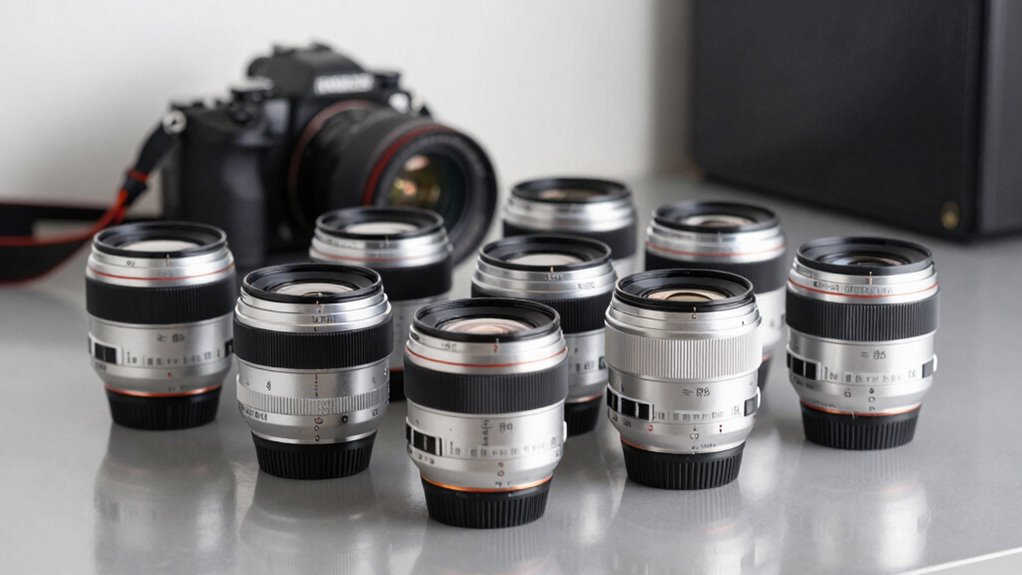

For photographers and videographers using Micro Four Thirds cameras, mft pro prime lenses offer a combination of high optical quality and compact design. The Olympus M.Zuiko Digital ED 45mm F1.2 PRO stands out as the best overall choice for its superb image quality and fast aperture, ideal for portraits and low-light shooting. The Meike 35mm T2.2 Mini appeals to creators who prioritize affordable, manual-focus cinema-style lenses, while the Rokinon 85M-MFT 85mm F1.4 provides excellent bokeh for portrait work. Buyers often face tradeoffs between price, size, and autofocus performance, making it essential to weigh your specific needs carefully. Continue reading for a detailed breakdown of these top options and what makes each one unique.

Get the latest gadgets delivered free — and shop member deals
- Fast, free delivery on millions of items
- Access to Prime Big Deal Days deals on October 6–7
- Prime Video, Amazon Music and more included
Complete the kit



Key Takeaways
- The Olympus 45mm F1.2 PRO offers the best balance of image quality and speed, making it ideal for professional portrait and event work.
- Meike‘s manual-focus lenses excel in cinematic applications and budget-conscious setups, but lack autofocus features.
- Compact size and lightweight design are common among these lenses, benefiting handheld shooting and travel.
- Macro capabilities are limited to the Olympus 90mm lens, catering to specialized close-up work within this lineup.
- Price varies significantly, with cinema-style manual lenses typically costing less but requiring manual focus skills.
| Meike 35mm T2.2 Mini Manual Focus Wide-Angle Cinema Lens for M43 Micro Four Thirds Cameras |  | Best Compact Cinema Lens for MFT Video Work | Aperture: T2.2 | Focal Length: 35mm (70mm equivalent) | View Angle: 37 degrees | VIEW ON AMAZON | See Our Full Breakdown |
| Olympus M.Zuiko Digital ED 45mm F1.2 PRO Lens for Micro Four Thirds Cameras |  | Best for Portraits & High-Resolution Shots | Focal Length: 45mm | Maximum Aperture: F1.2 | Lens Mount: Micro Four Thirds | VIEW ON AMAZON | See Our Full Breakdown |
| Meike 12mm T2.2 Manual Focus Wide Angle Cinema Lens for Micro Four Thirds Cameras and BMPCC 4K |  | Best Ultra-Wide for Landscape and Vlogging | Focal Length: 12mm | Lens Design: Prime | Maximum Aperture: 2.2 | VIEW ON AMAZON | See Our Full Breakdown |
| Meike 25mm T2.2 Manual Focus Prime Mini Cinema Lens for Micro Four Thirds Cameras |  | Best Compact Prime for Cinema & Versatile Shooting | Mount: Micro Four Thirds (MFT, M43) | Focal Length: 25mm | Aperture: T2.2 | VIEW ON AMAZON | See Our Full Breakdown |
| OM SYSTEM Olympus M.Zuiko Digital ED 90mm F3.5 Macro Lens for Micro Four Thirds Camera (Renewed) |  | Best Macro Lens with High Magnification & Weather Sealing | Magnification: 2x (native), 4x with converter | Weather Sealing: IP53 | Image Stabilization: 5-axis sync, 7 shutter speed steps | VIEW ON AMAZON | See Our Full Breakdown |
| Rokinon 85M-MFT 85mm F1.4 Ultra Wide Lens for Micro Four-Thirds Mount |  | Best for Portrait and Creative Photography | Aperture range: F1.4-22 | Elements: 9 | Groups: 7 | VIEW ON AMAZON | See Our Full Breakdown |
| mft pro prime lense | Focal Length |
|---|---|
| Meike 35mm T2.2 Mini Manual Fo | 35mm (70mm equivalent) |
| Olympus M.Zuiko Digital ED 45m | 45mm |
| Meike 12mm T2.2 Manual Focus W | 12mm |
| Meike 25mm T2.2 Manual Focus P | 25mm |
| OM SYSTEM Olympus M.Zuiko Digi | — |
| Rokinon 85M-MFT 85mm F1.4 Ultr | — |
More Details on Our Top Picks
Meike 35mm T2.2 Mini Manual Focus Wide-Angle Cinema Lens for M43 Micro Four Thirds Cameras
This Meike 35mm T2.2 stands out for its compact size and sharp image quality, making it a strong choice for filmmakers who prioritize portability. Its manual focus and no stabilization mean it’s best suited for controlled environments or experienced users comfortable with focus pulls. Compared to the Olympus 45mm F1.2 PRO, it lacks autofocus and stabilization but offers a more lightweight, cinema-focused package at a lower cost. The wide aperture delivers beautiful shallow depth of field, ideal for interviews and portrait shots, though the manual focus demands precision. This lens is perfect for videographers who value size and image quality over autofocus convenience.
Pros:- Compact and lightweight, ideal for handheld and gimbal use
- Sharp images with low distortion and minimal focus breathing
- Wide T2.2 aperture for cinematic shallow depth of field
Cons:- Manual focus can be challenging for fast-paced shooting
- No image stabilization limits handheld versatility
- Limited to MFT mount, reducing compatibility
Best for: Videographers and filmmakers who need a lightweight, manual-focus cinema lens for handheld or gimbal work.
Not ideal for: Beginners or run-and-gun shooters who rely on autofocus or stabilization for quick shots.
- Aperture:T2.2
- Focal Length:35mm (70mm equivalent)
- View Angle:37 degrees
- Lens Structure:8 groups 10 elements
- Mount:Micro Four Thirds (MFT)
- Focus:Manual focus
Our verdict“This lens is best for videographers who prioritize size and image quality over autofocus and stabilization features.”
Olympus M.Zuiko Digital ED 45mm F1.2 PRO Lens for Micro Four Thirds Cameras
The Olympus 45mm F1.2 PRO makes a clear statement for portrait photographers needing exceptional bokeh and sharpness. Its large F1.2 aperture excels in low-light conditions and creates a creamy background blur, surpassing the smaller aperture options like the Meike 35mm T2.2. The autofocus is fast and silent, making it ideal for stills and video alike. However, the premium price and fixed focal length mean it’s less versatile than zoom options or lenses with stabilization, which the camera’s digital stabilization somewhat compensates for. This lens is best suited for professionals or enthusiasts who want a dedicated portrait lens with superb image quality.
Pros:- Large F1.2 aperture delivers excellent bokeh and low-light performance
- High resolution and sharpness across the frame
- Lightweight, durable, and splashproof
Cons:- Premium cost may be prohibitive for hobbyists
- Fixed focal length limits shooting flexibility
- Lack of in-lens stabilization requires stable shooting technique
Best for: Portrait photographers or videographers seeking a bright, high-resolution prime for detailed, low-light shooting.
Not ideal for: Travelers or casual shooters who need versatile focal lengths or built-in stabilization.
- Focal Length:45mm
- Maximum Aperture:F1.2
- Lens Mount:Micro Four Thirds
- Lens Coating:Z Coating Nano
- Focus Type:Auto Focus
- Image Stabilization:Digital, optical
Our verdict“This lens is ideal for those wanting ultimate portrait quality and high resolution, even at a premium price.”
Meike 12mm T2.2 Manual Focus Wide Angle Cinema Lens for Micro Four Thirds Cameras and BMPCC 4K
This 12mm cine lens offers a stunning 92-degree view, making it perfect for expansive landscapes or immersive vlogging. Its bright T2.2 aperture allows for a shallow depth of field, uncommon for super-wide lenses, and the all-metal build guarantees durability in demanding shooting conditions. Unlike the Olympus 45mm F1.2 PRO, which excels in portrait work, this lens emphasizes wide-angle capture and low distortion, but it shares the manual focus limitation. The absence of stabilization means it’s best for static shots or tripod use. If wide-angle perspective is a priority, this lens offers excellent image quality with a rugged design.
Pros:- Extremely wide 92-degree field of view for expansive scenes
- Bright T2.2 aperture allows for shallow depth of field
- All-metal construction ensures durability
Cons:- Manual focus may be tricky for quick shots
- No stabilization, limiting handheld use
- Fixed focal length reduces versatility
Best for: Landscape videographers or vloggers who need a wide, bright lens with a durable build.
Not ideal for: Travel shooters or event videographers who require autofocus and stabilization for fast-paced environments.
- Focal Length:12mm
- Lens Design:Prime
- Maximum Aperture:2.2
- Field of View:92 degrees
- Lens Mount:Micro Four Thirds
- Lens Elements:14 elements in 10 groups
Our verdict“This lens is best for landscape and wide-angle videographers valuing image quality and ruggedness over autofocus convenience.”
Meike 25mm T2.2 Manual Focus Prime Mini Cinema Lens for Micro Four Thirds Cameras
The Meike 25mm T2.2 offers a compact, durable design with a versatile 25mm focal length, making it suitable for a range of cinematic applications. Its aircraft-grade aluminum body and multi-coated glass deliver consistent color and high build quality, comparable to larger cinema lenses like the Olympus 45mm F1.2 PRO but in a smaller package. While it shares manual focus with the Meike 35mm, its wider field makes it more adaptable for various scenes, though it still lacks autofocus and stabilization. This lens makes the most sense for creators who need a portable, high-quality cine lens without the bulk of larger options.
Pros:- Compact, lightweight design for easy handling
- High-quality construction with durable aluminum body
- Multi-coated glass for accurate color reproduction
Cons:- Manual focus can be challenging for quick adjustments
- Fixed focal length limits scene versatility
- No autofocus or stabilization included
Best for: Cine enthusiasts or videographers seeking a compact, durable lens for versatile cinematic shots.
Not ideal for: Beginners or fast-paced event shooters needing autofocus or stabilization features.
- Mount:Micro Four Thirds (MFT, M43)
- Focal Length:25mm
- Aperture:T2.2
- Lens Construction:8 groups, 10 elements
- View Angle:Level: 40.6°, Vertical: 31°, Diagonal: 49.7°
- Material:Aircraft-grade aluminum
Our verdict“This lens is ideal for cine creators who value portability and build quality over autofocus and zoom capabilities.”
OM SYSTEM Olympus M.Zuiko Digital ED 90mm F3.5 Macro Lens for Micro Four Thirds Camera (Renewed)
This Olympus 90mm macro lens excels for detailed outdoor macro work, offering native 2x magnification and weather sealing. Compared with the smaller aperture options like the Meike 35mm T2.2, it provides exceptional magnification for close-ups, making it a top choice for nature or product macro photography. Its autofocus is high-precision, and the 5-axis image stabilization supports handheld shooting. However, being a renewed product, some buyers might worry about longevity and reliability. This lens is most suitable for macro enthusiasts who shoot outdoors and need durability combined with high magnification capabilities.
Pros:- Native 2x magnification perfect for macro detail
- Weather sealing suitable for outdoor environments
- Effective 5-axis stabilization for handheld macro shots
Cons:- Refurbished condition may affect long-term durability
- Limited to Micro Four Thirds system, reducing versatility
- F3.5 aperture less ideal for low-light macro work compared to faster lenses
Best for: Macro photographers or outdoor shooters needing high magnification and weatherproofing.
Not ideal for: Casual or indoor shooters, as the longer focal length and macro focus are less versatile for general use.
- Magnification:2x (native), 4x with converter
- Weather Sealing:IP53
- Image Stabilization:5-axis sync, 7 shutter speed steps
- Compatibility:Micro Four Thirds
- Focus:High-precision autofocus
- Coating:Fluorine coating
Our verdict“This macro lens is best for outdoor macro shooters who need high magnification and weather resistance, accepting some concerns over refurbishment.”
Rokinon 85M-MFT 85mm F1.4 Ultra Wide Lens for Micro Four-Thirds Mount
The Rokinon 85M-MFT stands out for its large F1.4 aperture, making it ideal for achieving beautiful background blur and excellent low-light performance—especially when compared to the Olympus 45mm F1.2 PRO, which offers a brighter aperture but at a higher price and larger size. This lens’s compact, lightweight design enhances portability, yet its fixed focal length limits versatility for general use. It’s entirely manual focus, which can be a drawback for quick shooting situations, and it lacks image stabilization, making it less suitable for handheld shooting in unstable conditions. Compared to other primes in this roundup, its narrow angle of view suits portraiture and artistic shots but isn’t as flexible for everyday or wide-angle photography. Overall, it makes the most sense for photographers seeking a dedicated portrait lens with excellent low-light capabilities, willing to accept manual focus and limited framing options.
Pros:- Large F1.4 aperture enables stunning background separation and low-light shooting
- Compact and lightweight, easy to carry around
- Good for portrait and artistic photography due to narrow angle of view
Cons:- Fixed focal length limits framing flexibility for different scenes
- Manual focus only, which can hinder fast or spontaneous photography
- No built-in image stabilization, requiring steady hands or tripod use
Best for: Portrait photographers and creative shooters who prioritize low-light performance and compactness.
Not ideal for: Event or fast-paced street shooters who need quick autofocus and image stabilization.
- Aperture range:F1.4-22
- Elements:9
- Groups:7
- Angle of view:28.3 degrees
- Minimum focusing distance:3.3 feet
- Filter size:72mm
Our verdict“This lens is perfect for portrait and creative work in controlled settings where low-light performance matters most, but not for versatile or fast-paced shooting contexts.”
How We Picked
The lenses in this roundup were selected based on their optical performance, build quality, usability, and value for professional use within the Micro Four Thirds system. We prioritized models that are widely regarded by creators for their sharpness, aperture speed, and durability. Additional considerations included autofocus performance, size, weight, and versatility for video or stills. The ranking reflects a balance of these factors, aiming to help buyers find options suited for different budgets and professional needs. Products with specialized features, like macro capability or cinema focus, are highlighted for their unique roles within the lineup.Factors to Consider When Choosing Mft Pro Prime Lenses
Choosing the right MFT pro prime lens involves understanding several key factors beyond specs. First, consider your primary use—whether for portraits, video, macro, or general photography—as this influences focal length and aperture needs. Size and weight are critical for handheld shooting or travel, so a compact lens might benefit on-the-go creators. Autofocus performance can significantly impact your workflow, especially for fast-paced shooting, but many cinema-style lenses favor manual focus for precision. Price is another factor, with more expensive lenses often offering better optics and build, but budget options can still deliver excellent results if used correctly. Finally, evaluate the lens’s compatibility and future-proofing within your existing gear setup, avoiding models that may limit your creative options down the line.Optical Quality and Aperture Speed
Sharpness, contrast, and bokeh are fundamental for professional results. A wide maximum aperture, like F1.2 or F1.4, allows better low-light performance and creative depth of field. However, faster apertures tend to increase cost and size. Balance your need for optical excellence against practicality and budget, especially if you plan to shoot primarily outdoors or in dim conditions.
Size, Weight, and Portability
Pro lenses come in various sizes, but compact, lightweight designs are advantageous for handheld, gimbal, or travel use. Heavy lenses can cause fatigue and may require additional stabilization gear. Consider your typical shooting style—if mobility and discretion matter most, lean toward smaller lenses, even if it means sacrificing some versatility or speed.
Autofocus vs. Manual Focus
Autofocus is essential for fast-paced or event photography, but many professional cine lenses favor manual focus for precision and control. If you’re primarily shooting video or prefer a tactile focus experience, manual lenses like those from Meike can be ideal. Be aware, though, that manual focus requires practice and may slow down your workflow if you’re used to autofocus systems.
Build Quality and Durability
Pro lenses are expected to withstand regular use in varying conditions. Look for weather-sealing and sturdy construction if you’ll be shooting outdoors or in challenging environments. Cheaper or manual lenses may lack these features, which could impact their longevity and performance over time.
Price and Future Compatibility
Prices for pro prime lenses can range widely. While investing in high-end optics ensures top performance, budget-friendly options can be suitable for hobbyists or those just starting out. Always check compatibility with your camera body and consider how a lens’s focal length and features will fit into your broader creative toolkit. A well-chosen lens enhances your workflow and helps avoid costly upgrades later.
Frequently Asked Questions
Is manual focus sufficient for professional video work?
Many professional videographers prefer manual focus for its precision and control, especially with cinema-style lenses like those from Meike. While autofocus can be convenient, it often introduces noise and inconsistency, which can be disruptive in a professional setting. Manual focus allows for smoother pulls and better creative control, but it does require practice and familiarity with your gear. If you prioritize accuracy and cinematic quality, manual focus lenses are a strong choice, provided you are comfortable with focusing techniques.
How important is autofocus in a pro prime lens for still photography?
Autofocus can significantly speed up workflow in fast-paced environments like event or sports photography. For studio or landscape work, where composition is more deliberate, manual focus may suffice or even be preferable for finer control. The decision depends on your shooting style: if you need quick, reliable autofocus, prioritize lenses with responsive AF systems. Conversely, for meticulous control and focus stacking, manual focus lenses are more suitable.
Are cinema-style manual lenses worth the investment for stills photographers?
Cinema lenses like those from Meike or Rokinon offer exceptional control over focus and aperture, which can benefit still photographers seeking precise depth-of-field management. However, they typically lack autofocus and may be bulkier or more expensive than standard photography lenses. If your work involves controlled environments and you value tactile focusing, cinema-style lenses can enhance your creative process. For casual or fast-shooting scenarios, traditional autofocus lenses might be more practical.
Should I choose a macro lens within this lineup for close-up work?
Within this selection, the Olympus 90mm F3.5 macro lens is the standout for macro photography, offering true close-up capability with excellent detail. Other lenses in this list are primarily designed for general or portrait use and lack dedicated macro features. If macro work is a priority, investing in a specialized macro lens will deliver better results than trying to adapt a general-purpose prime. Keep in mind that macro lenses often have longer minimum focusing distances, so define your needs accordingly.
How do I balance price and quality when choosing a pro prime lens?
Higher-priced lenses often provide superior optics, better build quality, and additional features like weather sealing, but this isn’t always necessary for every user. Budget options like Meike’s manual lenses can deliver excellent image quality for controlled environments and creative projects, especially if manual focusing isn’t an issue. Always consider your specific needs—if you’re working professionally or shooting in demanding conditions, investing in a higher-end lens makes sense. For casual or hobbyist use, more affordable lenses can still produce professional-looking results with proper technique.
Conclusion
For those seeking the best overall performance, the Olympus M.Zuiko Digital ED 45mm F1.2 PRO remains the top pick, thanks to its combination of speed, sharpness, and durability. Budget-conscious creators or videographers will appreciate the Meike 35mm T2.2 Mini for its cinematic quality and affordability. If macro work is your focus, the Olympus 90mm F3.5 Macro stands out as the dedicated option. Beginners or hobbyists should consider manual lenses for their cost-effectiveness, while professionals requiring quick autofocus and rugged build might opt for more expensive, weather-sealed options. Ultimately, your choice depends on your primary shooting style and specific needs—pick the lens that best aligns with your creative goals.
Halloween Picks
halloween
As an affiliate, we earn on qualifying purchases.