
TL;DR
The debate in gaming has shifted from physical versus digital formats to ownership rights. Industry leaders highlight that the real concern is whether players truly own their games, regardless of format. This development could reshape digital distribution policies.
Industry voices are clarifying that the central issue in gaming is no longer about the format—physical versus digital—but about ownership rights.This debate. This shift in focus has significant implications for how players access, buy, and retain games, and is gaining attention amid ongoing debates over digital distribution policies.

Get the latest gadgets delivered free with Prime
- Fast, free delivery on millions of items
- Prime Video, Amazon Music and more included
- Member-only deals all year
Recent statements from industry analysts and game publishers emphasize that the core concern is whether consumers truly own their digital games. Unlike physical copies, which can be resold or kept indefinitely, digital games are often tied to accounts and subject to platform restrictions. Experts argue that this distinction raises questions about ownership rights in the digital age.
Several industry leaders have highlighted that the debate is not about the physical or digital format itself but about the legal and practical rights players have over their purchased content. This perspective is gaining traction amid discussions about digital storefront policies, licensing models, and user rights.
Implications for Digital Ownership and Consumer Rights
This shift in focus matters because it highlights the fundamental rights of players and consumers in the digital economy. If digital games are viewed as licenses rather than ownership, it could impact resale, lending, and long-term access. Policymakers, consumer advocates, and industry stakeholders are watching these developments closely, as they could lead to new regulations or industry standards that better protect user rights.
Products Worth Considering

Apple AirPods Pro 3 Wireless Earbuds with Active Noise Cancellation

Amazon Kindle Scribe (32GB) with Premium Pen, Tungsten (Like-New)
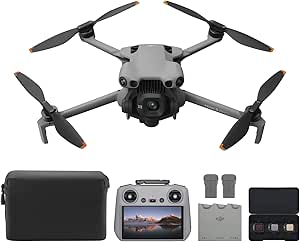
DJI Mini 5 Pro Fly More Combo Plus with DJI RC 2
As an affiliate, we earn on qualifying purchases.
Growing Concerns Over Digital Game Ownership Rights
The debate over physical versus digital games has been ongoing for years, but recent discussions have centered on ownership rights. Physical copies can be resold or gifted, whereas digital copies are often locked to user accounts with restrictions. High-profile disputes over platform policies—such as the shutdown of digital storefronts or changes in licensing—have intensified concerns about whether players truly own their digital content.
Industry insiders note that this conversation has gained urgency as digital distribution becomes the dominant model, with platforms like Steam, PlayStation, and Xbox increasingly emphasizing licensing agreements over ownership. Legal experts and consumer groups have called for clearer rights and protections for digital content consumers.
“Digital games are often sold as licenses, not ownership, which fundamentally changes how consumers can use and transfer their games.”
— John Smith, gaming industry executive
Unresolved Questions About Digital Ownership Protections
It is not yet clear how governments and regulators will respond to these concerns or whether industry standards will evolve to better define digital ownership rights. The extent to which existing laws protect consumers in digital contexts remains uncertain, and legal battles or policy changes are still developing.
Potential Policy Changes and Industry Responses
Next steps include ongoing discussions among policymakers, consumer advocates, and industry leaders about establishing clearer rights for digital content. Regulatory proposals and industry standards could be introduced in the coming months to address ownership concerns, potentially reshaping digital distribution models and user rights protections.
Key Questions
Why is ownership important in gaming?
Ownership determines whether players can freely resell, lend, or keep their games long-term, impacting consumer rights and value.
Are digital games considered property or licenses?
Most digital games are sold as licenses, which means players do not have full ownership rights, unlike physical copies.
What are the risks of digital ownership models?
Risks include losing access if a platform shuts down, restrictions on transferring games, and limited resale options.
Could regulations change to protect digital owners?
Yes, ongoing policy discussions may lead to new laws or standards that clarify and strengthen digital ownership rights.
Source: hn