
TL;DR

Get the latest gadgets delivered free with Prime
- Fast, free delivery on millions of items
- Prime Video, Amazon Music and more included
- Member-only deals all year
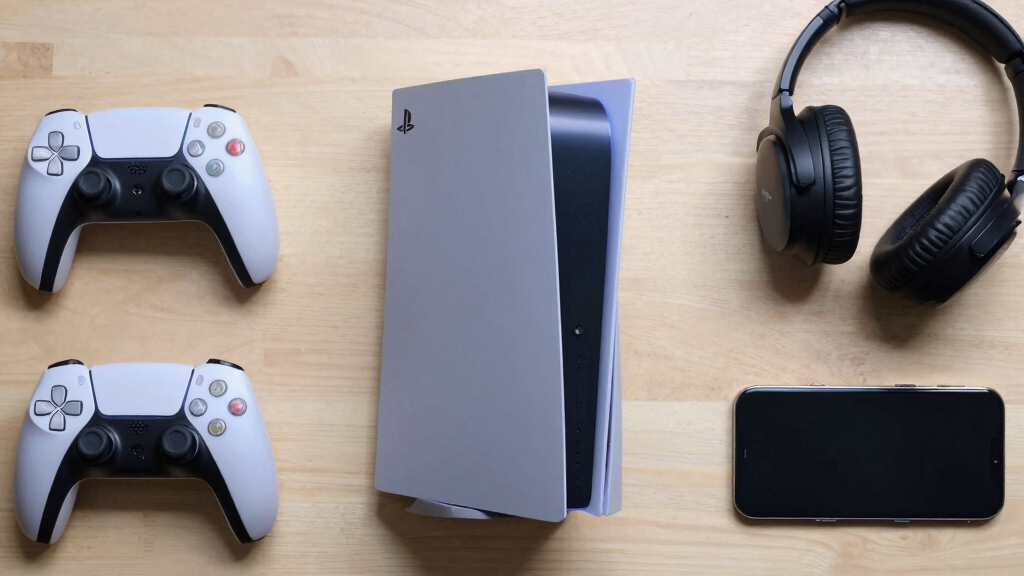
SanDisk has introduced a $3,000 SSD designed for PlayStation 5, reflecting ongoing storage shortages in the gaming industry. The development underscores the challenges gamers face in expanding console storage amid supply constraints.
SanDisk has launched a $3,000 high-capacity SSD specifically designed for PlayStation 5, marking a significant development in gaming hardware amid ongoing memory shortages affecting the industry. This product underscores the challenges gamers face in expanding their console storage options due to supply chain disruptions and rising memory costs.
The new SanDisk SSD offers a capacity of 4TB, priced at approximately $3,000, making it one of the most expensive storage options available for the PlayStation 5. SanDisk representatives confirmed the launch in April 2024, citing the increasing demand for larger storage solutions as more gamers seek to install multiple titles and updates.
Industry analysts note that the high price reflects broader shortages in NAND flash memory and DRAM components, which have driven up costs across the electronics sector. The SSD is compatible with the PS5’s expansion slot and meets Sony’s requirements for high-speed storage, including PCIe Gen4 support and a recommended read speed of at least 5,500 MB/s.
Why the $3,000 PS5 SSD Signals Industry Challenges
The introduction of such an expensive SSD highlights the ongoing memory shortage affecting the gaming industry and broader electronics supply chains. It indicates that expanding storage for next-generation consoles is becoming increasingly costly and limited, potentially impacting gamers’ ability to upgrade their systems affordably. This development also underscores the broader supply chain disruptions caused by geopolitical tensions, manufacturing delays, and increased demand for memory chips.
PlayStation 5 compatible high capacity SSD
As an affiliate, we earn on qualifying purchases.
As an affiliate, we earn on qualifying purchases.
Memory Shortages and Rising Costs in Gaming Hardware
Over the past year, industry reports have documented persistent shortages of NAND flash memory and DRAM chips, critical components for gaming consoles, PCs, and data centers. These shortages have been driven by high demand from data centers, automotive electronics, and consumer devices, coupled with manufacturing disruptions due to global geopolitical tensions and COVID-19-related supply chain issues.
In the gaming sector, this has led to increased prices for storage upgrades and limited availability of high-capacity SSDs. Sony’s official SSD expansion options for PS5 have also seen price hikes, with some models costing several hundred dollars more than initially announced. The new SanDisk SSD’s price point underscores these ongoing challenges.
As an affiliate, we earn on qualifying purchases.
Extent of Supply Chain Impact on Future Gaming Storage
It remains unclear how long the current memory shortages will persist and whether prices will stabilize or continue to rise. The specific impact on future gaming hardware releases and the availability of affordable storage options for consumers is still uncertain. Additionally, it is not yet confirmed if other manufacturers will follow SanDisk with similarly priced high-capacity SSDs.
As an affiliate, we earn on qualifying purchases.
Monitoring Market Trends and Consumer Access
Industry experts will closely watch memory supply chain developments and pricing trends over the coming months. Sony and other console manufacturers may adjust their storage expansion offerings or pricing strategies depending on market conditions. Consumers should expect continued scarcity and high prices for premium storage options until supply chain issues are resolved.
high speed SSD for PlayStation 5
As an affiliate, we earn on qualifying purchases.
As an affiliate, we earn on qualifying purchases.
Key Questions
Why is the SanDisk SSD for PS5 so expensive?
The high cost is primarily due to global shortages of NAND flash memory and DRAM chips, which have driven up prices for high-capacity SSDs. The $3,000 price reflects the current market value for such premium storage components.
Will more affordable options become available soon?
It is uncertain. Market shortages are expected to continue for several months, and prices may remain high until supply chain disruptions ease. Consumers might see more options if manufacturing and supply improve.
How does this impact gamers wanting to upgrade their PS5 storage?
Gamers face higher costs and limited availability for large-capacity SSDs, which could restrict their ability to expand storage affordably. This may lead to longer wait times or the need to accept higher prices for upgrades.
Are there alternative storage options for PS5 users?
Yes, users can choose from other SSDs that meet Sony’s specifications, but these are also affected by supply shortages and price increases. Standard external drives are available but do not offer the same performance benefits.
Source: google-trends
Fall Picks
fall essentials
As an affiliate, we earn on qualifying purchases.