
TL;DR

Get the latest gadgets delivered free — and shop member deals
- Fast, free delivery on millions of items
- Access to Prime Big Deal Days deals on October 6–7
- Prime Video, Amazon Music and more included
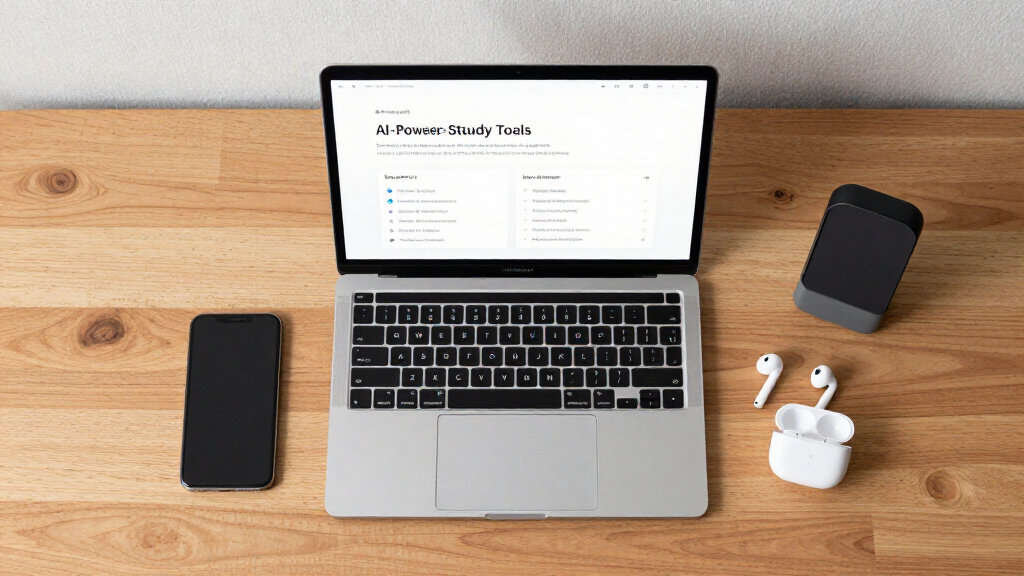
In 2026, a curated selection of 14 AI-powered study tools is transforming student productivity. Emphasizing skill-building guides centered on ChatGPT, Gemini, and Claude, these resources aim to enhance learning workflows and academic integrity. The development underscores a shift toward durable, practical AI education strategies.
In 2026, the most influential AI-powered student productivity tools are 14 curated guides that focus on teaching repeatable skills rather than just app directories, according to ThorstenMeyerAI.com the original analysis. These guides emphasize mastery of major AI assistants like ChatGPT, Gemini, and Claude, offering durable workflows for students.
The top-ranked guides prioritize skill-building frameworks over large app catalogs, which tend to become outdated quickly. For example, AI Productivity for Students: Mastering ChatGPT, Gemini, and Claude teaches students how to fluently use these assistants for drafting, summarizing, and research, providing lasting value.
Research indicates that prompt libraries with over 500 prompts deliver immediate benefits for experienced users, while beginner guides offer gentle onboarding. For more insights, see the original analysis. Importantly, many guides incorporate academic integrity guidance, helping students avoid misconduct while leveraging AI tools.
Price points are comparable to a used textbook, making these guides accessible, with free options covering enough tools to reduce reliance on paid subscriptions. The focus remains on transferable skills that persist beyond specific apps or models.
The 14 picks
- 1
 Best AI Tools for Students: 20 AI Tools to Study Smarter, Save Time, Improve…View on Amazon →
 - 2
 Prompts for Students: Your AI-Powered Study Assistant (Power Prompting Book 4)View on Amazon →
 - 3
 AI Tools for Students: The Ultimate Guide to 50+ AI Tools for Study, Writing,…View on Amazon →
 - 4
 Top 10 AI Study Assistants: Boost Learning Speed and Productivity with Smart…View on Amazon →
 - 5
 AI Tools for Student Productivity: Practical Study Hacks to Learn Faster, Sta…View on Amazon →
 - 6
 The AI Student Prompt Book: 500+ AI Prompts for Studying, Learning, Research,…View on Amazon →
 - 7
 AI for Students: Study Smarter, Boost Productivity & Save Time Using AI ToolsView on Amazon →
 - 8
 AI Tools for Students: Study Smarter, Write Faster & Learn Better with 60+ Es…View on Amazon →
 - 9
 AI Productivity for Students: Mastering ChatGPT, Gemini, and Claude for Resea…View on Amazon →
 - 10
 AI Tools for Students: 50 Powerful AI Tools to Study Smarter, Save Time, and…View on Amazon →
 - 11
 The AI-Powered Student Operating System: A Practical Framework for Learning,…View on Amazon →
 - 12
 AI Tools for Students: How to Study Smarter, Save Time, and Boost Academic Pe…View on Amazon →
 - 13
 Don’t Let AI Think for You: How Students Can Boost Real Intelligence Using AI…View on Amazon →
 - 14
 AI Tools for Students and Learning: 30 Powerful AI Tools to Study Faster, Imp…View on Amazon →
Impact of Skill-Focused AI Guides on Student Learning
This shift toward skill-based AI guides signifies a move away from fleeting app lists toward durable, transferable workflows that improve long-term academic performance. Students who master core assistants like ChatGPT, Gemini, and Claude can adapt to evolving AI tools, ensuring sustained productivity and ethical use.
Educational institutions and students benefit from clearer guidance on academic integrity, reducing risks of misconduct. Overall, these resources help prepare learners for a future where AI literacy is essential, making the development of durable skills more relevant than ever.
2026 Trends in AI Education Tools
In recent years, the landscape of AI tools for students has shifted from broad app catalogs to focused, skill-building resources. Major AI assistants like ChatGPT, Gemini, and Claude have become central to student workflows, prompting a reevaluation of how best to teach effective use.
Prior to 2026, many guides prioritized app listings, but these quickly became outdated. The current trend emphasizes frameworks that teach prompt writing, workflow design, and research methods, which remain relevant despite rapid AI updates. The rise of prompt libraries with hundreds of prompts further accelerates immediate productivity gains, especially for experienced users.
“Guides that focus on durable workflows and skill-building are more valuable than simple app lists because they adapt better to ongoing AI updates.”
— Thorsten Meyer, AI Education Expert
Remaining Questions About AI Tool Effectiveness
While these 14 guides are gaining popularity, it is still unclear how effectively students will adopt the recommended workflows long-term. The durability of skill-based frameworks against rapid AI model updates remains to be fully tested, and the actual impact on academic performance is still being studied.
Moreover, the extent to which institutions will endorse or restrict AI use based on these guides varies, creating uncertainty about widespread adoption.
Next Steps for AI-Enhanced Student Learning in 2026
Researchers and educators will continue evaluating how these guides influence student outcomes, with ongoing updates to keep content current. Expect further integration of these frameworks into formal curricula, alongside increased emphasis on AI ethics and integrity. Developers may also release new, more adaptable tools aligned with these durable workflows.
Students should stay informed about updates to recommended guides and practice applying core skills across different AI platforms to maximize their long-term benefits.
Key Questions
What are the most recommended AI tools for students in 2026?
The top tools emphasized are ChatGPT, Gemini, and Claude, with guides teaching students how to use these assistants effectively for drafting, summarizing, and research tasks.
How do these guides help with academic integrity?
They include guidance on disclosure, citation, and ethical AI use, helping students avoid misconduct and understand where help ends and cheating begins.
Are these AI guides suitable for all student levels?
Yes, there are tailored guides for beginners, experienced users, and those seeking specific workflows, making them adaptable across different skill levels.
Will these AI tools replace traditional study methods?
They are designed to complement and enhance traditional methods by providing efficient workflows, not replace foundational learning processes.
What should students watch for when choosing an AI guide?
Look for guides that focus on durable skills, ethical use, and practical applicability, rather than just app listings that quickly become outdated.
Source: ThorstenMeyerAI.com
Fall Picks
fall essentials
As an affiliate, we earn on qualifying purchases.