
TL;DR

Get the latest gadgets delivered free with Prime
- Fast, free delivery on millions of items
- Prime Video, Amazon Music and more included
- Member-only deals all year
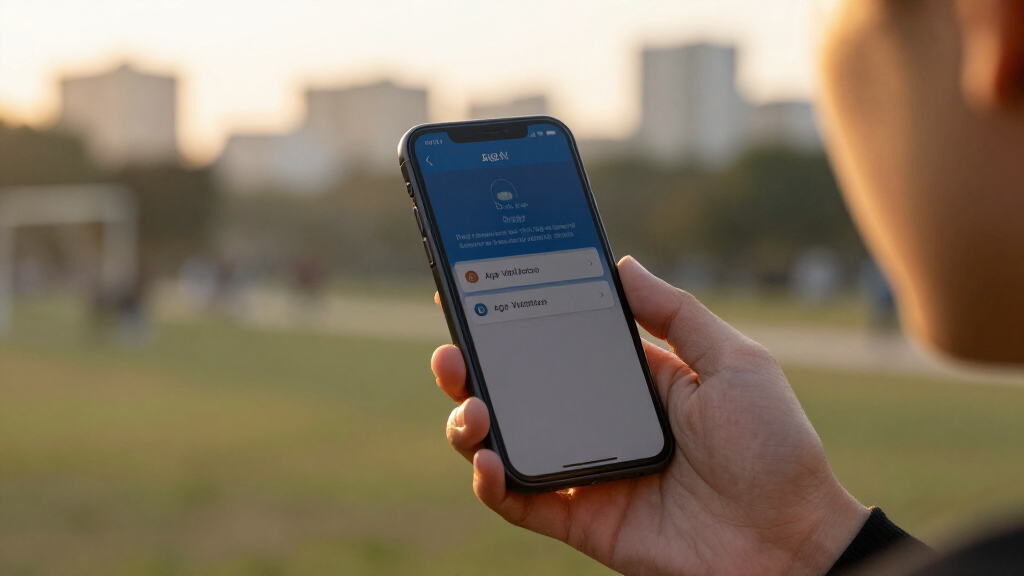
Google is expanding its age verification system on Android globally, aiming to implement the feature across all markets by the end of 2023. This move aims to improve child safety and comply with local regulations, but details on implementation vary by region.
Google has announced it will expand its age verification features on Android devices globally by the end of 2023. The move aims to enhance user safety, particularly for children, and ensure compliance with regional regulations. This expansion marks a significant step in Google’s efforts to regulate digital access and protect vulnerable users worldwide.
According to Google’s official statement, the company will implement its age check system across all Android markets by the end of this year. The feature involves verifying users’ age during account creation or app downloads, using methods such as ID verification or device-based signals.
Google initially introduced this system in select markets earlier this year as part of its Digital Wellbeing initiative. The company now plans to extend this functionality globally, covering regions with varying regulatory requirements and digital safety standards.
Sources familiar with Google’s plans indicate that the rollout will involve updates to the Google Play Store and Android OS, with the goal of making age verification seamless and less intrusive for users. The company also aims to balance user privacy with safety needs.
Implications for User Safety and Regulatory Compliance
This expansion is significant because it demonstrates Google’s commitment to safeguarding minors and aligning with global regulations on digital safety. By verifying ages more effectively, Google aims to reduce access to age-inappropriate content and prevent misuse of its platform. The move could influence other tech companies to adopt similar measures, setting a new standard in digital safety practices worldwide.
Products Worth Considering

Bose QuietComfort Ultra Earbuds (2nd Gen), Deep Plum

Bose TV Speaker (2nd Gen) Compact Soundbar with Bluetooth and HDMI Connectivity

Logitech MX Keys S Wireless Keyboard, Graphite
As an affiliate, we earn on qualifying purchases.
Background of Google’s Age Verification Efforts
Google began testing age verification features earlier this year in select markets, following increasing regulatory pressure and public concern over children’s online safety. The initiative aligns with broader industry trends toward stricter digital content controls and privacy protections for minors.
Previous attempts at age checks faced technical and privacy challenges, with some critics questioning their effectiveness or potential for misuse. Google has stated that it is refining its methods to ensure user privacy while providing effective safety measures.
The company’s move comes amid ongoing discussions about digital regulation, with several countries considering or implementing laws that require age verification for online platforms.
“We are committed to creating a safer digital environment for users worldwide and are expanding our age verification features across all Android markets by the end of 2023.”
— Google spokesperson
Remaining Questions About Implementation and Privacy
It is not yet clear how exactly Google will implement the age verification methods across diverse regions, especially where regulatory requirements differ significantly. Details on how user data will be protected during the process remain limited, and the effectiveness of the system in preventing underage access is still to be validated at scale.
Additionally, it is unclear whether all Android devices will receive the update simultaneously or if some regions will experience delays due to local regulatory or technical issues.
Next Steps in Global Rollout and Evaluation
Google is expected to begin the full rollout of the age check system by December 2023, with updates pushed via Android OS and Google Play services. The company will likely monitor the system’s effectiveness and user feedback closely, making adjustments as needed.
Regulators and privacy advocates will be watching how Google balances safety with user privacy, potentially influencing future policies and features across the tech industry.
Key Questions
When will the expanded age checks be available worldwide?
Google plans to complete the global rollout of its age verification system by the end of 2023.
How will Google verify users’ ages?
The company has indicated methods may include ID verification, device signals, or other digital identity checks, though specific techniques may vary by region.
Will this affect all Android devices?
Yes, the plan is for the update to be implemented across all Android devices globally, subject to regional regulatory approvals and technical deployment schedules.
Does this mean Google is collecting more personal data?
Google has stated it aims to protect user privacy, but details on data collection and storage during age verification are still limited and under scrutiny.
What are the potential privacy concerns?
Privacy advocates have raised concerns about the collection and handling of sensitive identity data, emphasizing the need for transparent safeguards and compliance with data protection laws.
Source: hn